User Score
3 votes
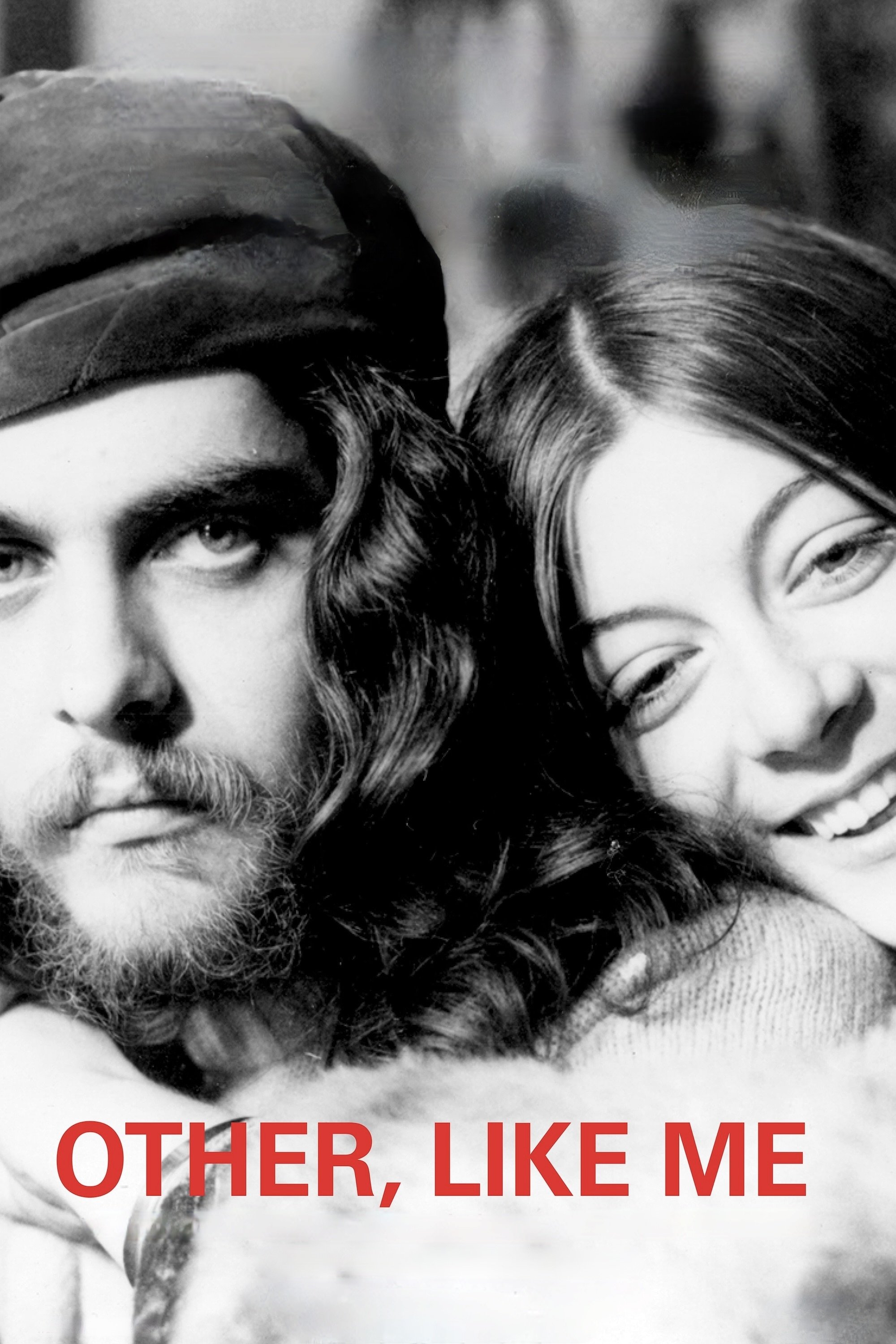
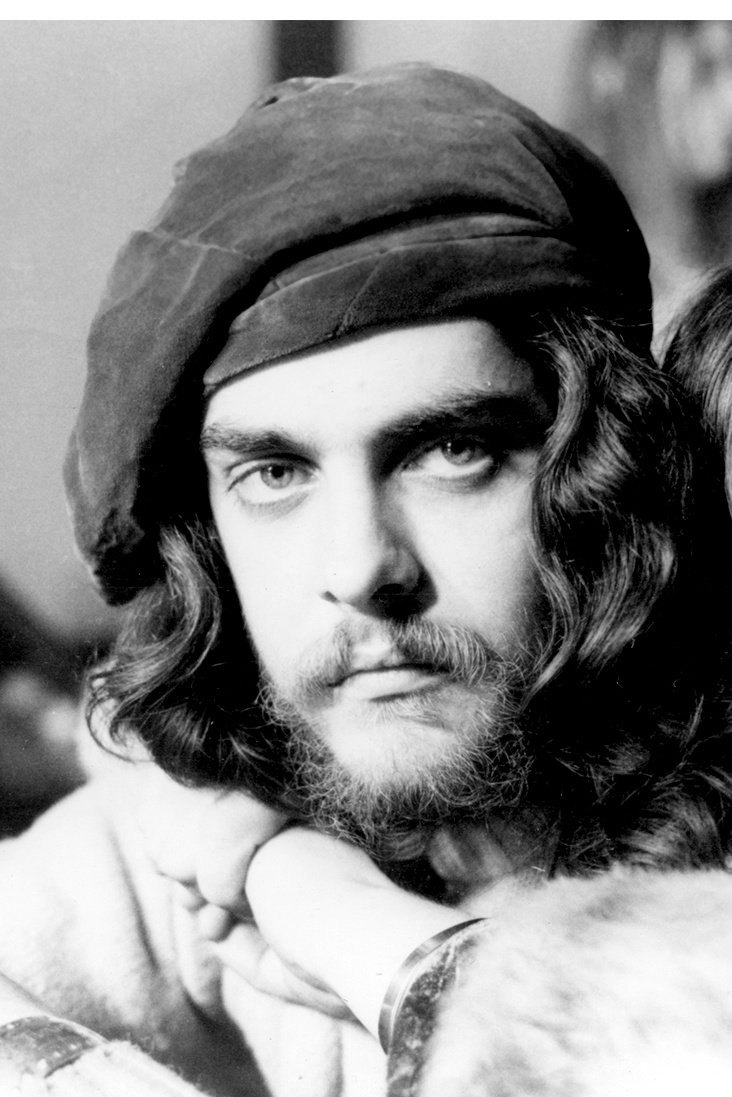
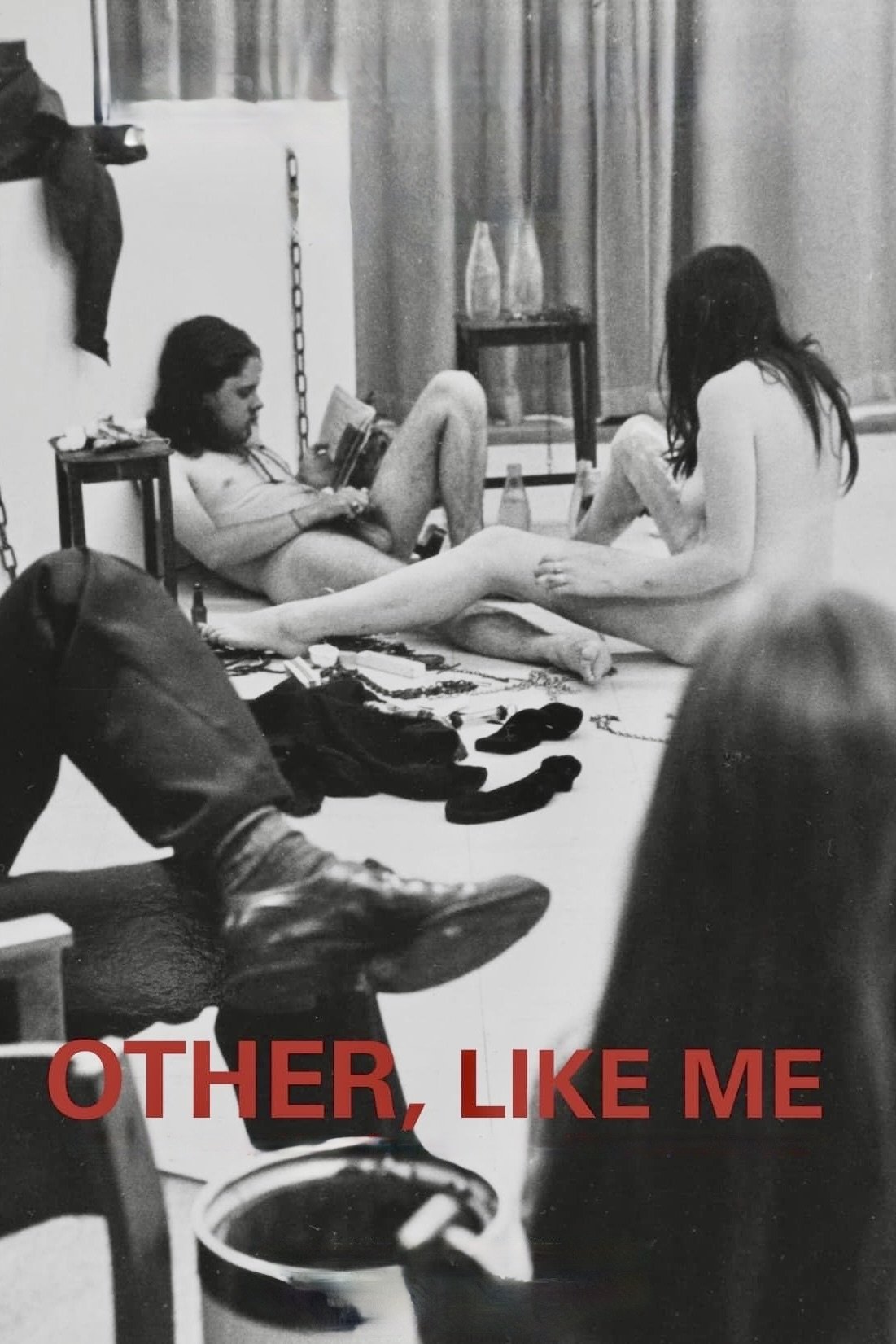
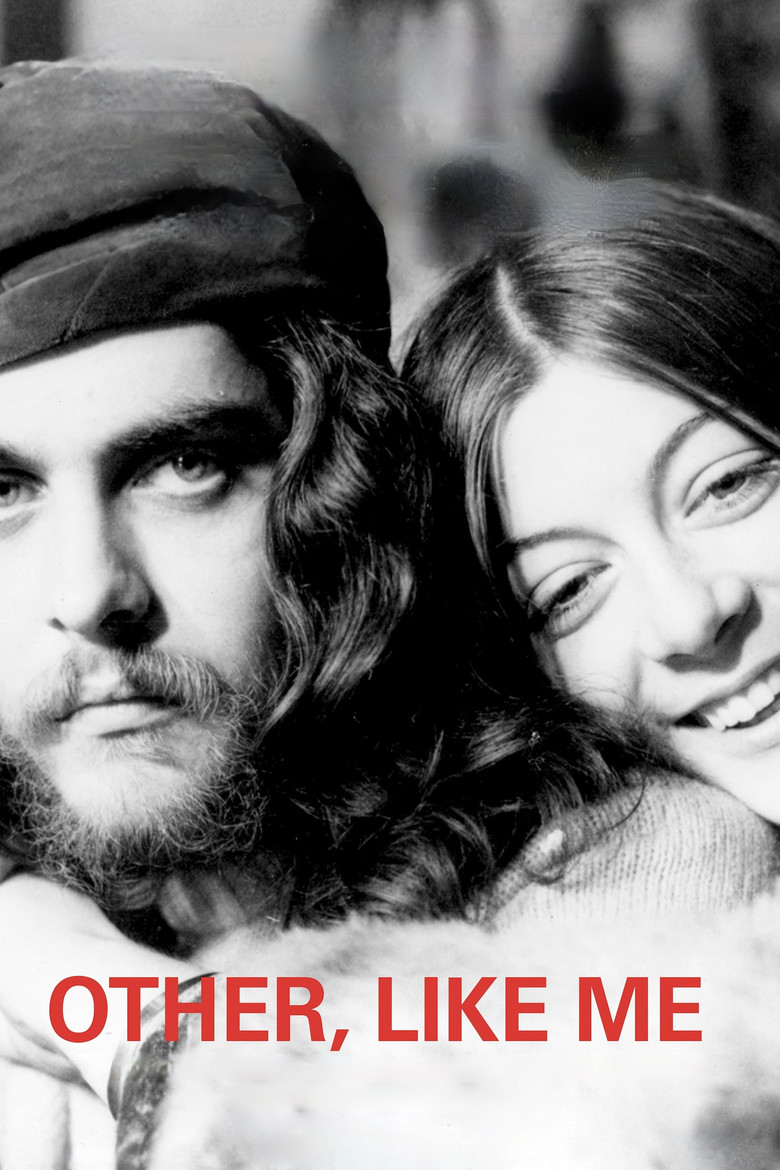
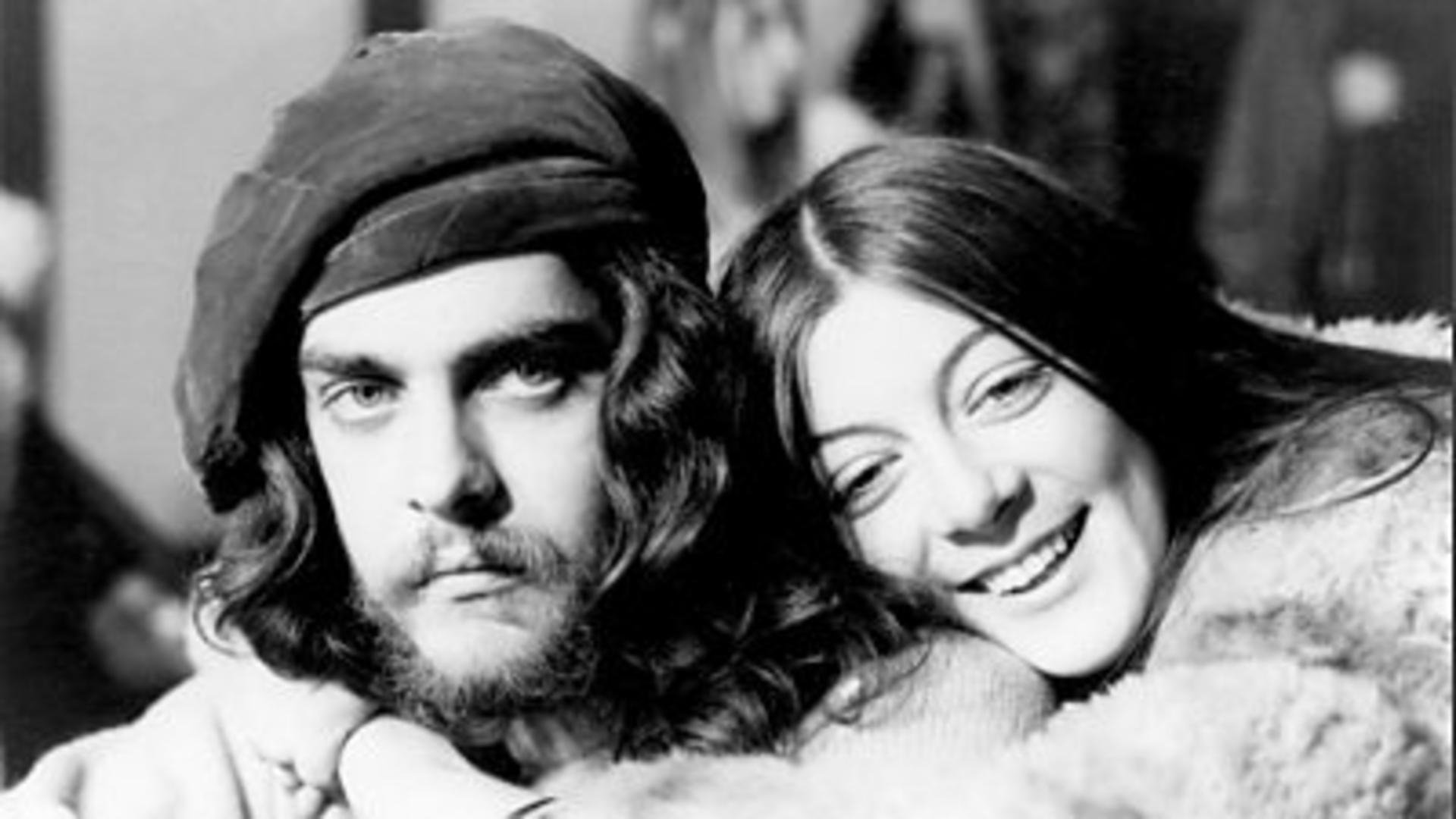
Hull, England, 1970. In a run-down commune in a tough port city, a group of social misfits - mostly working class, mostly self-educated - adopted new identities and began making simple street theater under the name COUM Transmissions. Their playful performances gradually gave way to work that dealt openly with sex, pornography, and violence. COUM lived on the edges of society, surviving on meager resources, finding fellowship with others marginalized by the mainstream. At the core of the group were two artists, Genesis P-Orridge and Cosey Fanni Tutti. As their work evolved, Cosey embarked on a career modeling for pornographic magazines, which she claimed for herself as a conceptual artwork, using it to forge a specific position in relationship to 1970s feminism. In performances, Genesis pushed himself to extremes, testing the limits of the human body.
Status
Released
Original Language
EN
Self
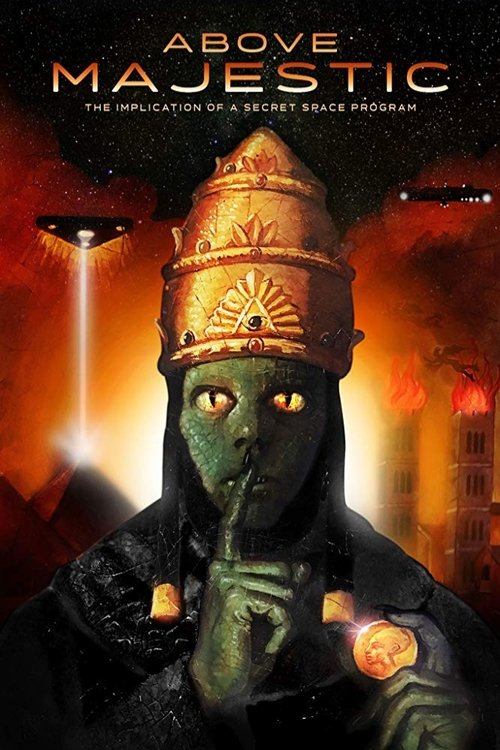
A look at the origins, history and conspiracies behind the "Majestic 12", a clandestine group of military and corporate figureheads charged with reverse-engineering extraterrestrial technology.