
User Score
6 votes
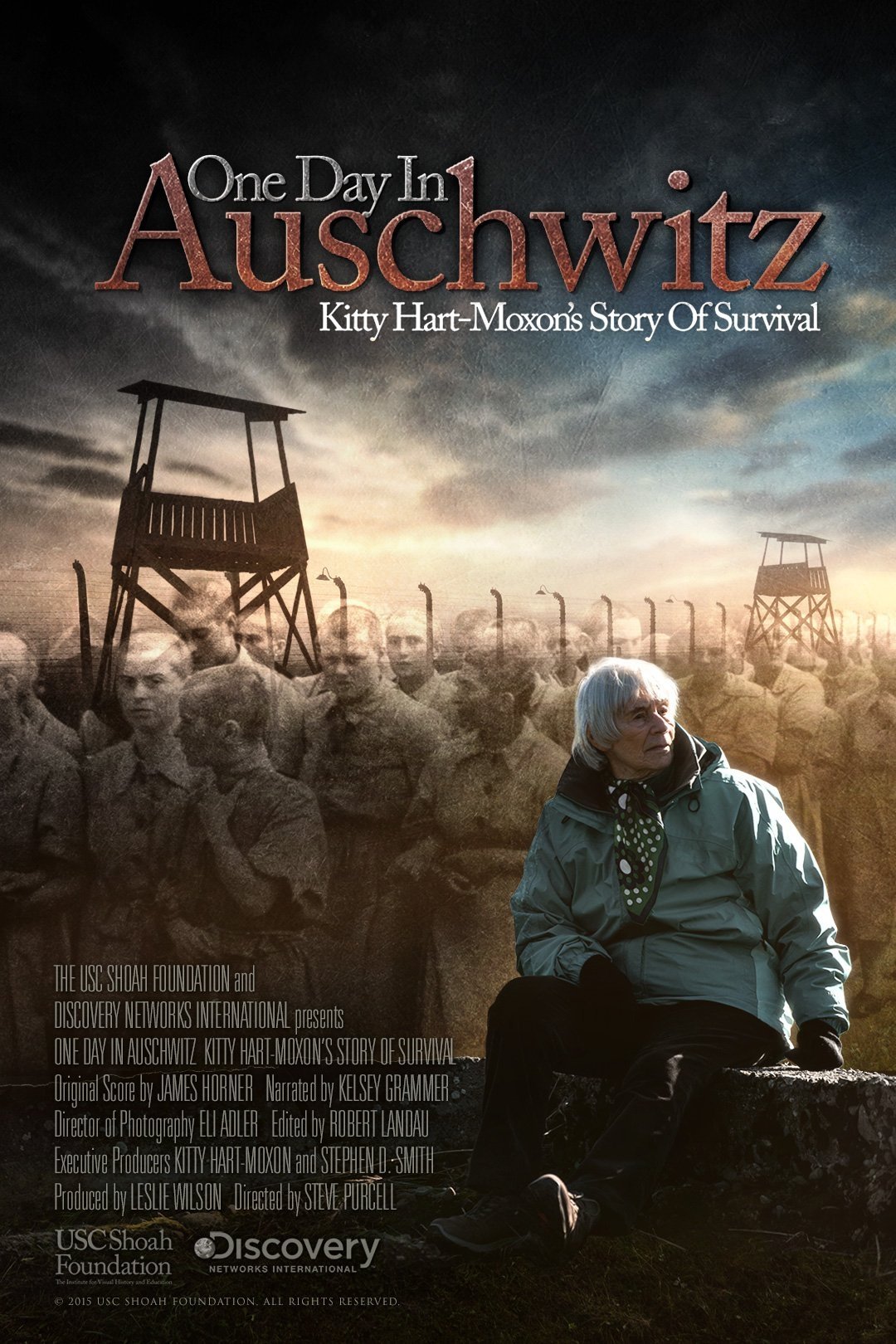
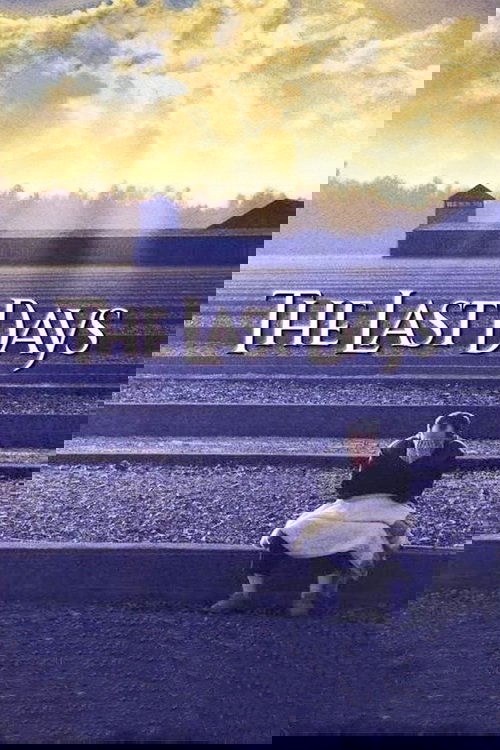
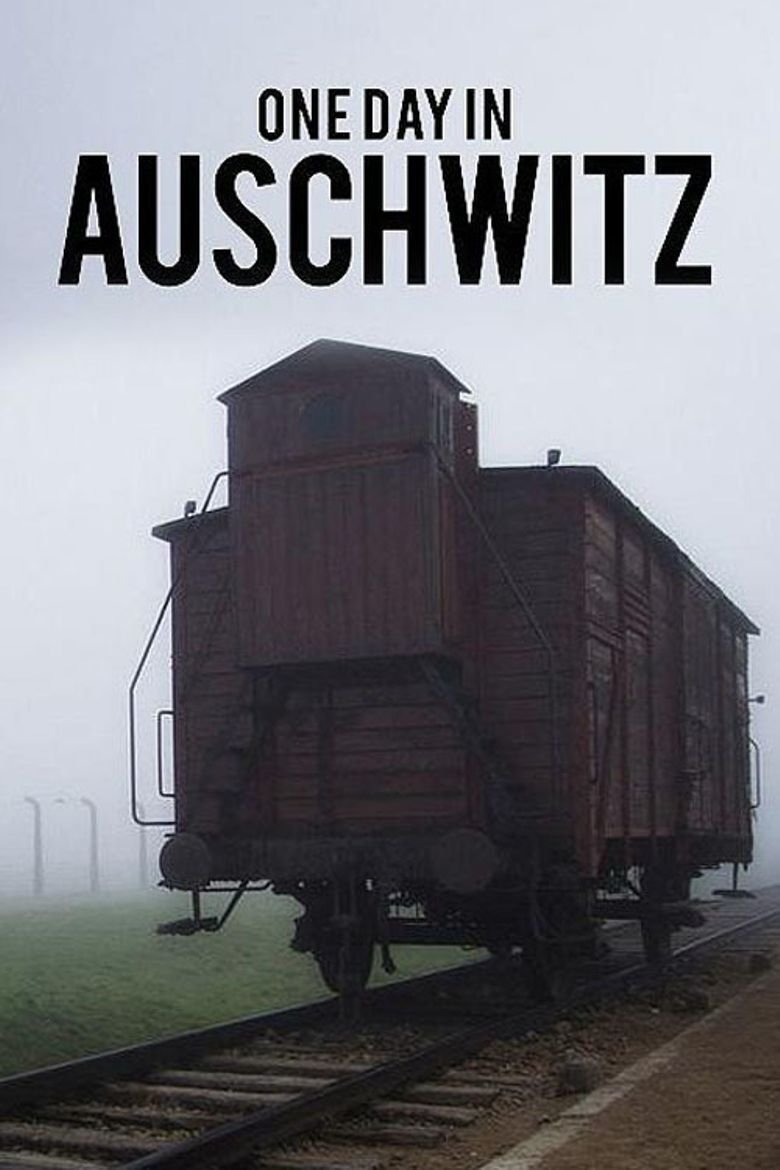
Auschwitz-Birkenau was designed to kill. Four gas chambers murdered thousands at a time, belching out smoke and human ashes. Starvation, thirst, disease, and hard labor reduced the average lifespan to less than three months. More than 1-million people perished in the largest German Nazi concentration and extermination camp. Seventy years after her liberation, Kitty Hart-Moxon makes a final return to Auschwitz-Birkenau to walk among the crumbling memorial with students Natalia and Lydia, who, at 16, are the same age now as she was then. As Kitty tells them her story of daily existence, themes begin to emerge: the ever-present threat of death, resilience, friendship, human strength, resisting the Nazis' constant lethal intent, and living like an animal while still remaining human. Natalia and Lydia ask questions; Kitty provides answers, passing her legacy to the next generation.
Director
Status
Released
Original Language
EN
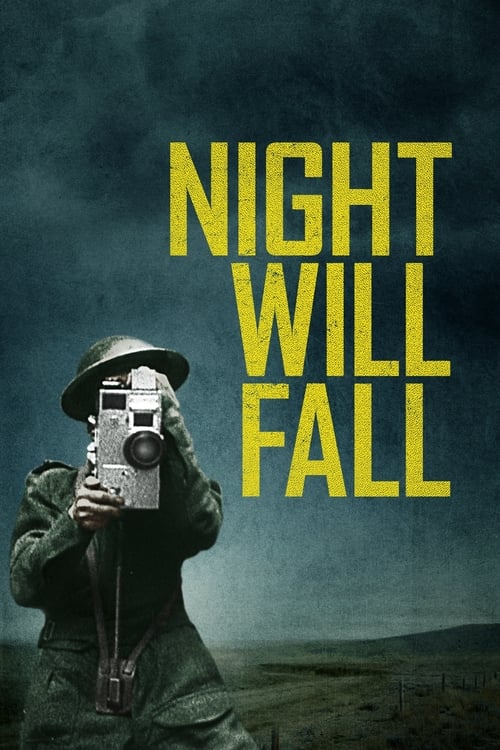
When Allied forces liberated the Nazi concentration camps in 1944-45, their terrible discoveries were recorded by army and newsreel cameramen, revealing for the first time the full horror of what had happened. Making use of British, Soviet and American footage, the Ministry of Information’s Sidney Bernstein (later founder of Granada Television) aimed to create a documentary that would provide lasting, undeniable evidence of the Nazis’ unspeakable crimes. He commissioned a wealth of British talent, including editor Stewart McAllister, writer and future cabinet minister Richard Crossman – and, as treatment advisor, his friend Alfred Hitchcock. Yet, despite initial support from the British and US Governments, the film was shelved, and only now, 70 years on, has it been restored and completed by Imperial War Museums under its original title "German Concentration Camps Factual Survey".

Produced and presented as evidence at the Nuremberg war crimes trial of Hermann Göring and twenty other Nazi leaders, this film consists primarily of dead and surviving prisoners and of facilities used to kill and torture during the World War II.