User Score
0 votes
A black-and-white short by Mitsuyo Seo.
Director
Status
Released
Original Language
JA
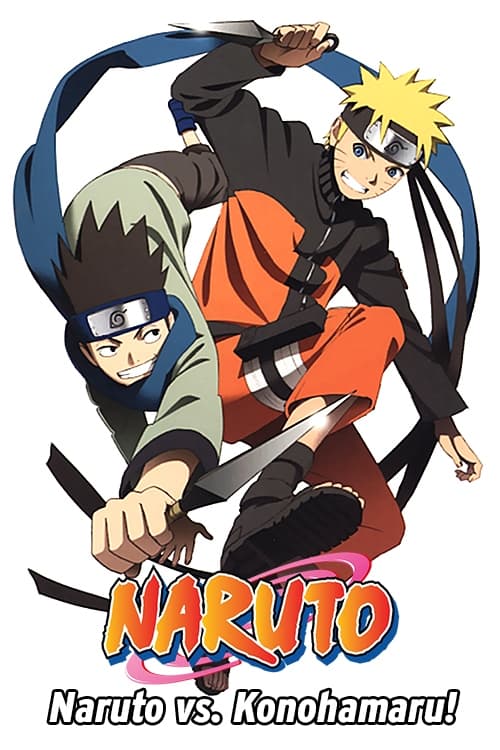
Naruto faces off against his old pupil Konohamaru in a tournament during the chuunin entrance exams.
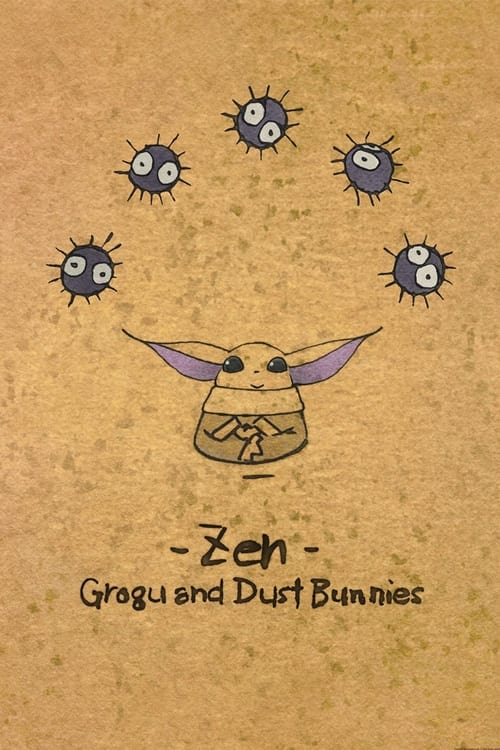
A hand drawn animated short by Studio Ghibli.
A traveler is confronted by spirits in an abandoned shrine; a story of honor and firefighting in ancient Japan; a white bear defends the royal family from a monstrous red demon; ragtag soldiers battle a robotic force in futuristic Japan.
Five stories, five maestros, five styles and one common denominator: maximum creativity. Studio 4°C, the coolest label on the planet, invites us for the second time to an exclusive reunion of a talents with a group film, full of freedom and ingenuity, that goes from Mahiro Maeda's classic anime, to Kazuto Nakazawa's intricate urban sketches, Shinya Ohira's bedlam of color and Tatsuyuki Tanaka's animated cyberpunk. And as if that wasn't enough, Koji Morimoto, the studio big boss, is charge of putting the icing on the cake with fantafabulous piece of abstract poetry that would make a VJ die of ecstasy. The party of the year.
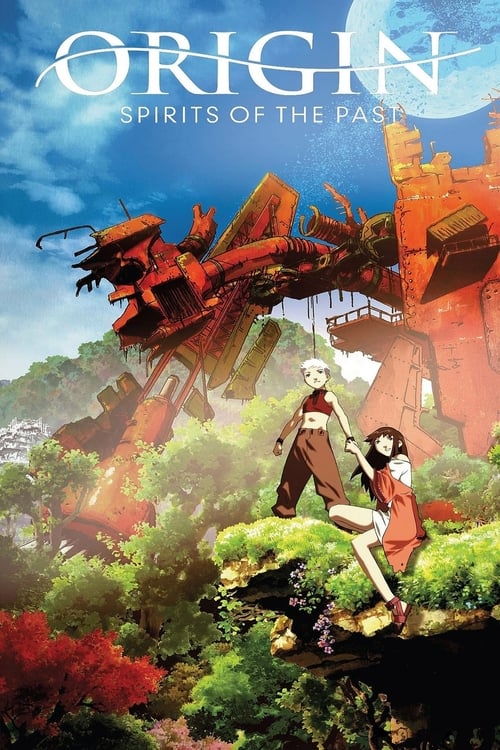
It is 300 years into the future. Earth's environment had been devastated by mankind's own foolish plans and humankind is beleaguered by the sentient forests which they have awoken. The world balance is tipped when a young boy named Agito stumbles across a machine that glowed in a strange blue hue inside a forbidden sanctuary.
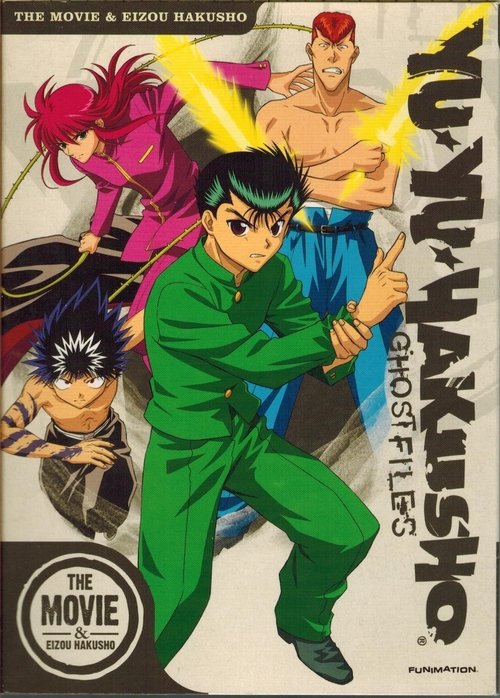
Two recap specials that focus on Team Urameshi's matches in the Dark Tournament and four separate volumes focusing around one of the main characters; Yusuke, Kurama, Hiei, or Kuwabara.
Tokyo, 2014: a city balancing on the razor's edge between financial prosperity and seismic destruction. It is a place where the lights are bright, the stakes are high, and where the threat of imminent destruction breeds crime like a disease. But for Gokuu Furinji, ex-cop and super-powered private detective, crime is money...
Naruto and his friends must get back a jug of stolen holy water from a band of higher class ninjas.
Jess joins her friends at a party in a dilapidated mansion hosted by the mysterious Seth. When odd things begin to happen to Jess and her friends, the Phantom Stranger intervenes to save her from a dreary fate.
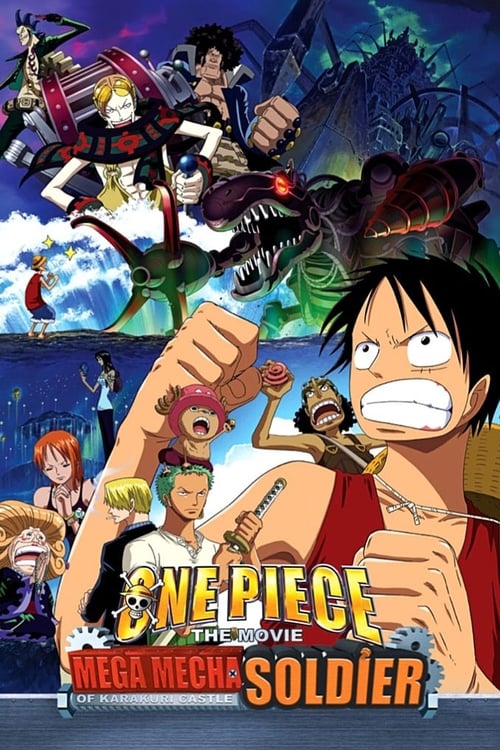
The Straw Hats visits an island, known as Mecha Island, where a fisherman sings an old folk song about a Golden Crown. Searching for that mysterious treasure, they find a hidden entrance into the island. The island's leader, Ratchet, impressed with the find and in search of the Golden Crown himself, invites the crew to join him in his search and the crew along with Ratchet and his henchmen enter the cave. As it turns out, the islands true form, is that of a giant turtle. Ratchet, who had known this all along, uses his mechanical castle to take control of the turtle, in order to use it, to take over the world. Now the Straw Hats have to stop not only Ratchet, but also the helpless turtle, from crashing into a nearby island.
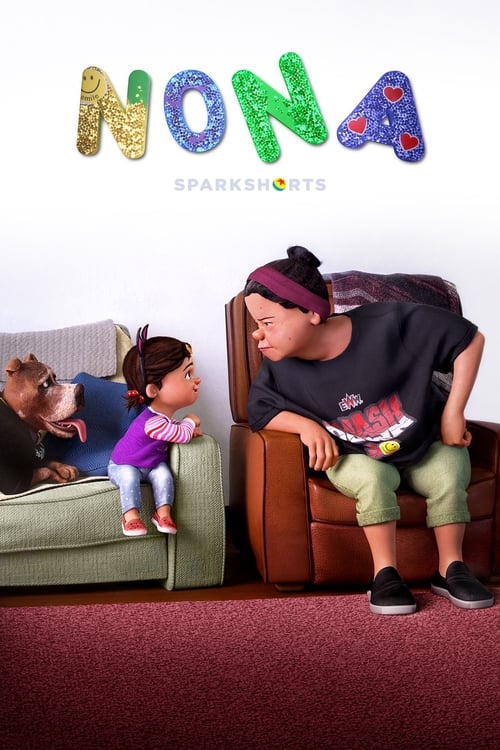
A grandmother is caught between her two favorite things when her granddaughter is unexpectedly dropped off during the day she was planning to spend watching her favorite TV show.
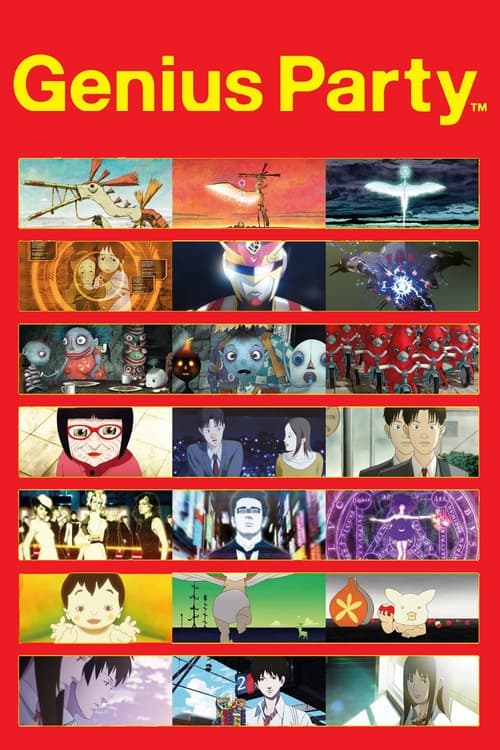
The seven short films making up GENIUS PARTY couldn’t be more diverse, linked only by a high standard of quality and inspiration. Atsuko Fukushima’s intro piece is a fantastic abstraction to soak up with the eyes. Masaaki Yuasa, of MIND GAME and CAT SOUP fame, brings his distinctive and deceptively simple graphic style and dream-state logic to the table with “Happy Machine,” his spin on a child’s earliest year. Shinji Kimura’s spookier “Deathtic 4,” meanwhile, seems to tap into the creepier corners of a child’s imagination and open up a toybox full of dark delights. Hideki Futamura’s “Limit Cycle” conjures up a vision of virtual reality, while Yuji Fukuyama’s "Doorbell" and "Baby Blue" by Shinichiro Watanabe use understated realism for very surreal purposes. And Shoji Kawamori, with “Shanghai Dragon,” takes the tropes and conventions of traditional anime out for very fun joyride.