
User Score
2 votes
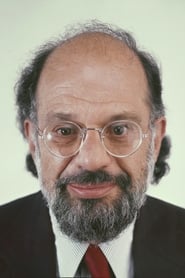
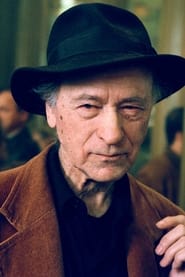
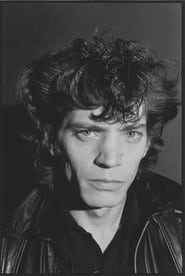
Harry Smith’s final film; an epic four-screen projection. Smith worked on this cinematic transformation of Kurt Weill and Bertolt Brecht’s opera Rise and Fall of the City of Mahagonny (1929) for over ten years and considered it his magnum opus. The film was shot from 1970 to 1972 and edited for the next eight years. The “program” of the film is meticulous, with a complex structure and order. The Weill opera is transformed into a numerological and symbolic system. Images in the film are divided into categories— portraits, animation, symbols and nature— to form the palindrome P.A.S.A.N.A.S.A.P. The film contains invaluable cameos of important avant-garde figures such as Allen Ginsberg, Patti Smith, and Jonas Mekas, intercut with installation pieces from Robert Mapplethorpe’s studio, New York City landmarks of the era, and Smith’s visionary animation.
Director
Writer
Status
Released
Original Language
EN
Self
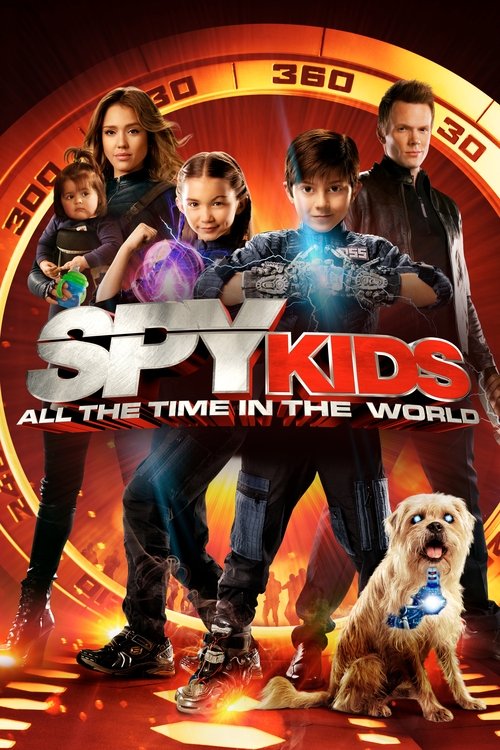
Eight years after the third film, the OSS has become the world's top spy agency, while the Spy Kids department has since become defunct. Retired spy Marissa is called back into action, and to bond with her new stepchildren Rebecca and Cecil, she invites them along to stop the evil Timekeeper from taking over the world.