User Score
7 votes
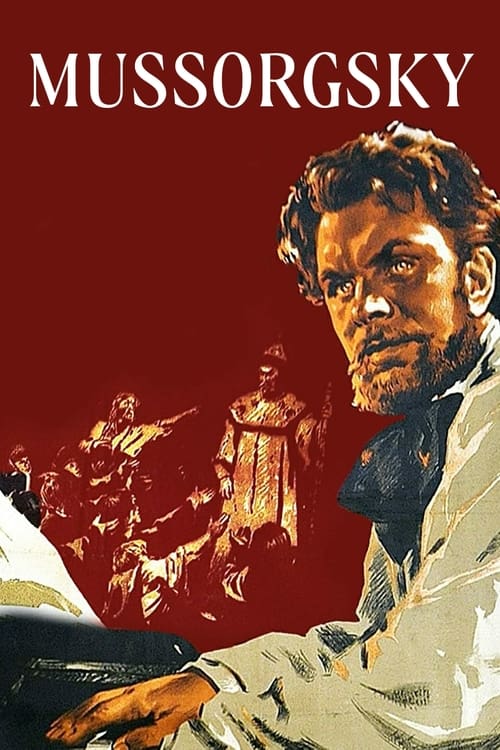
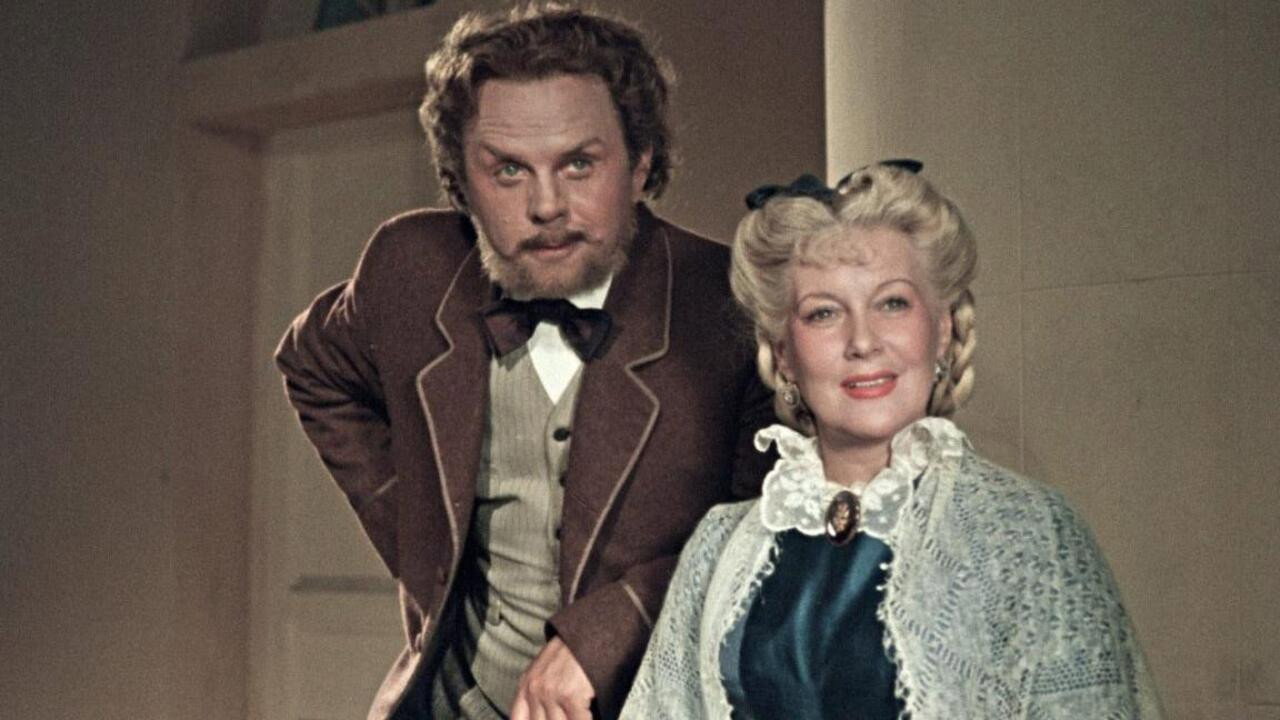
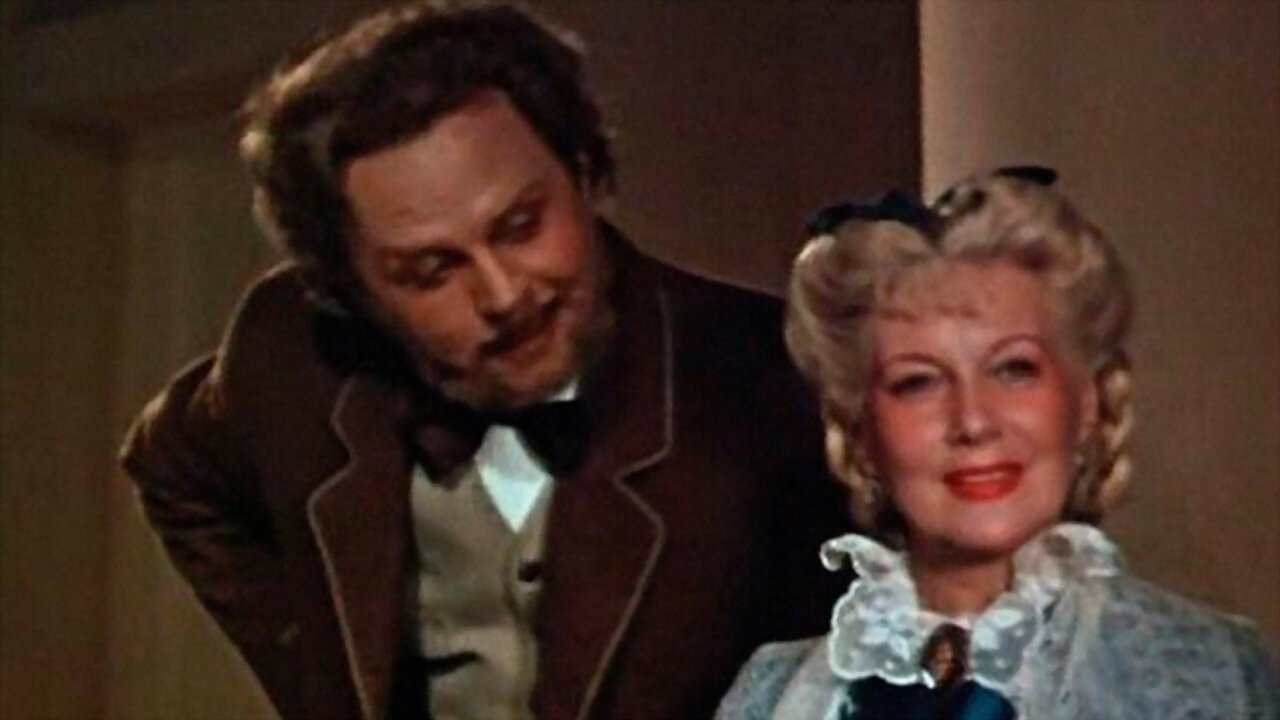
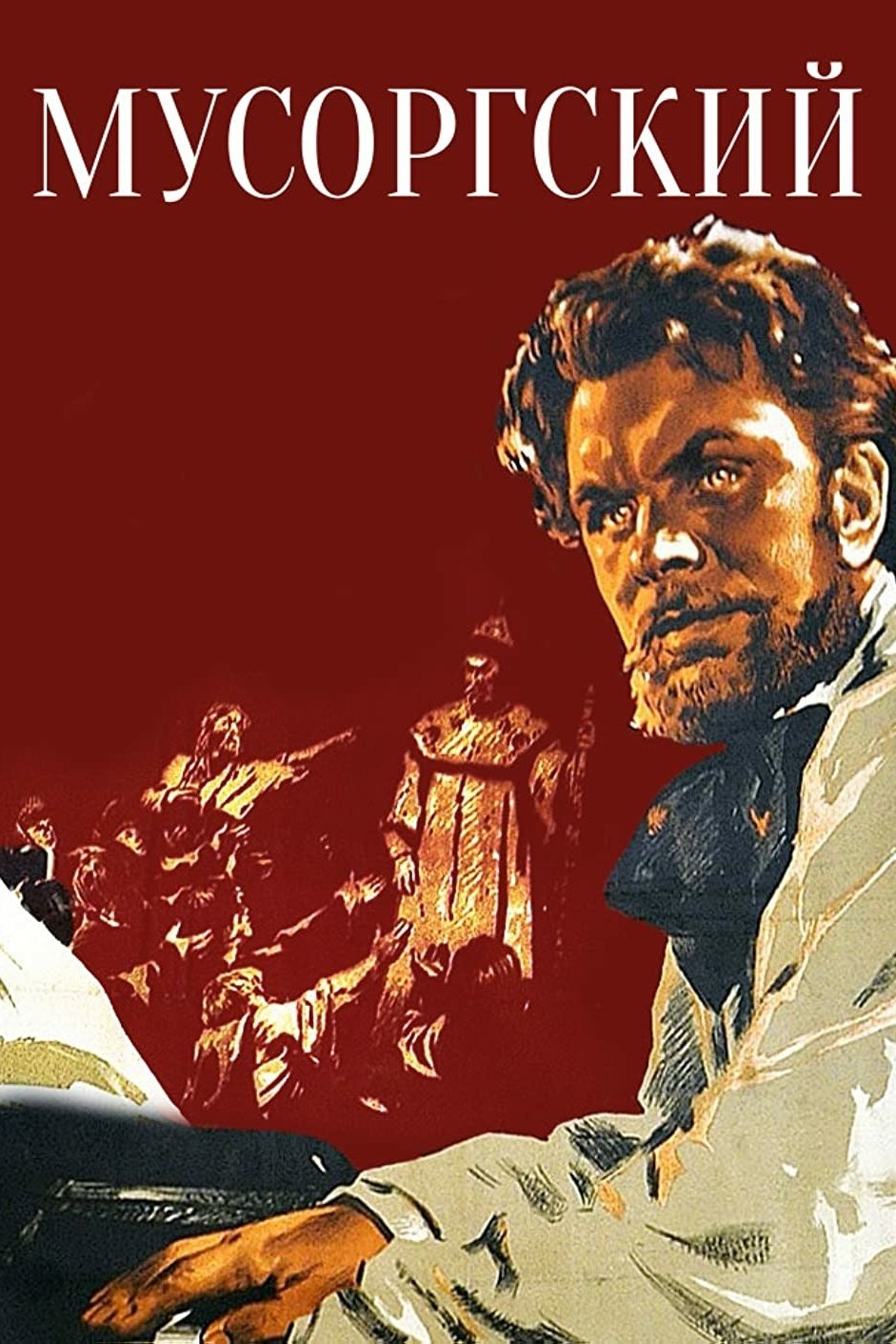
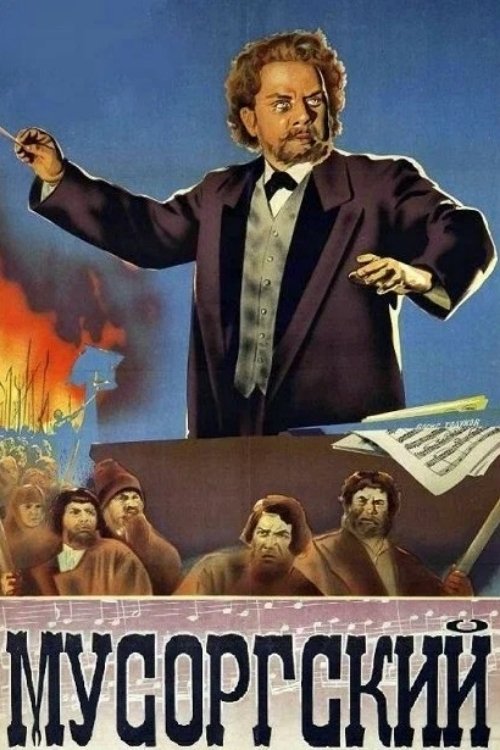
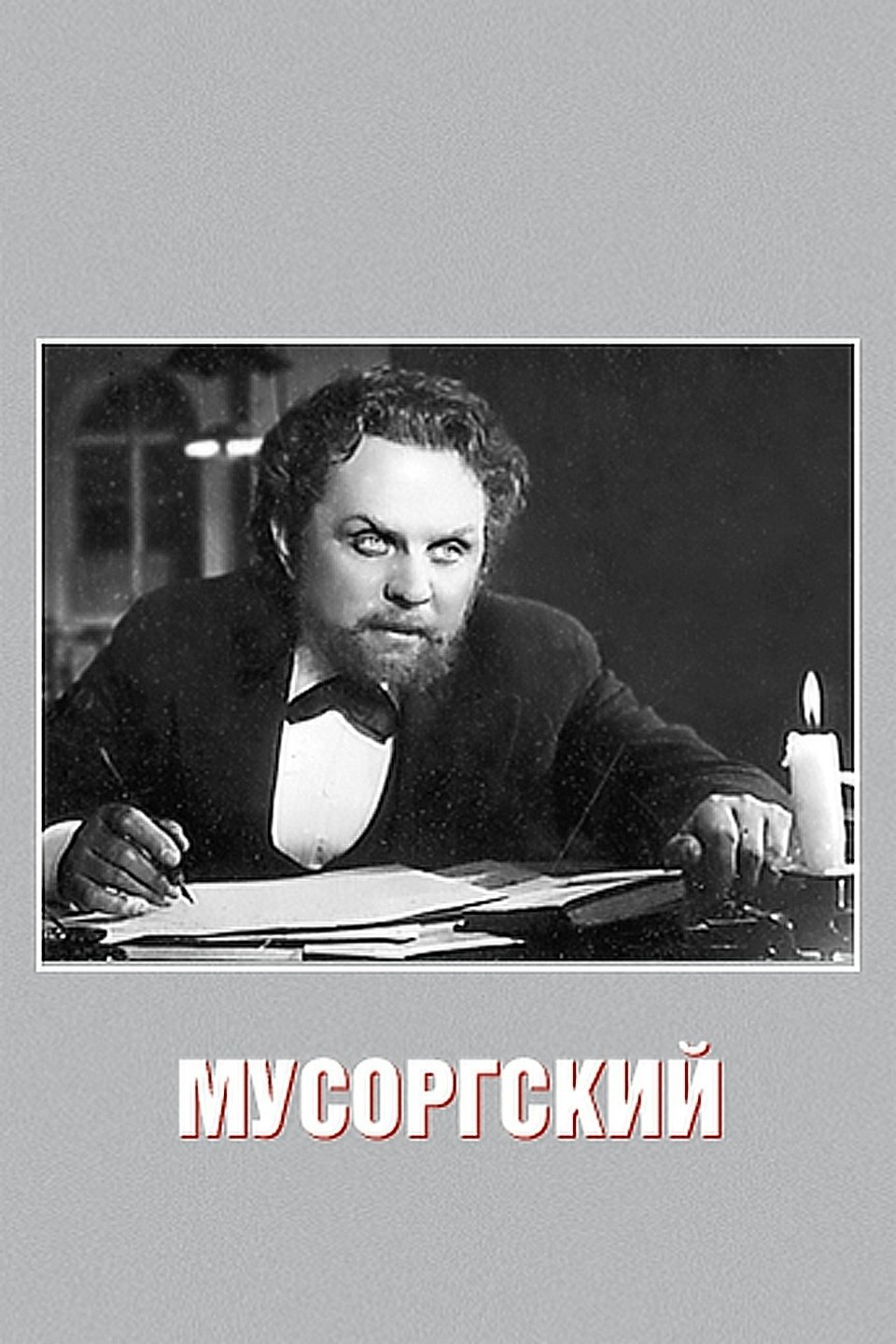
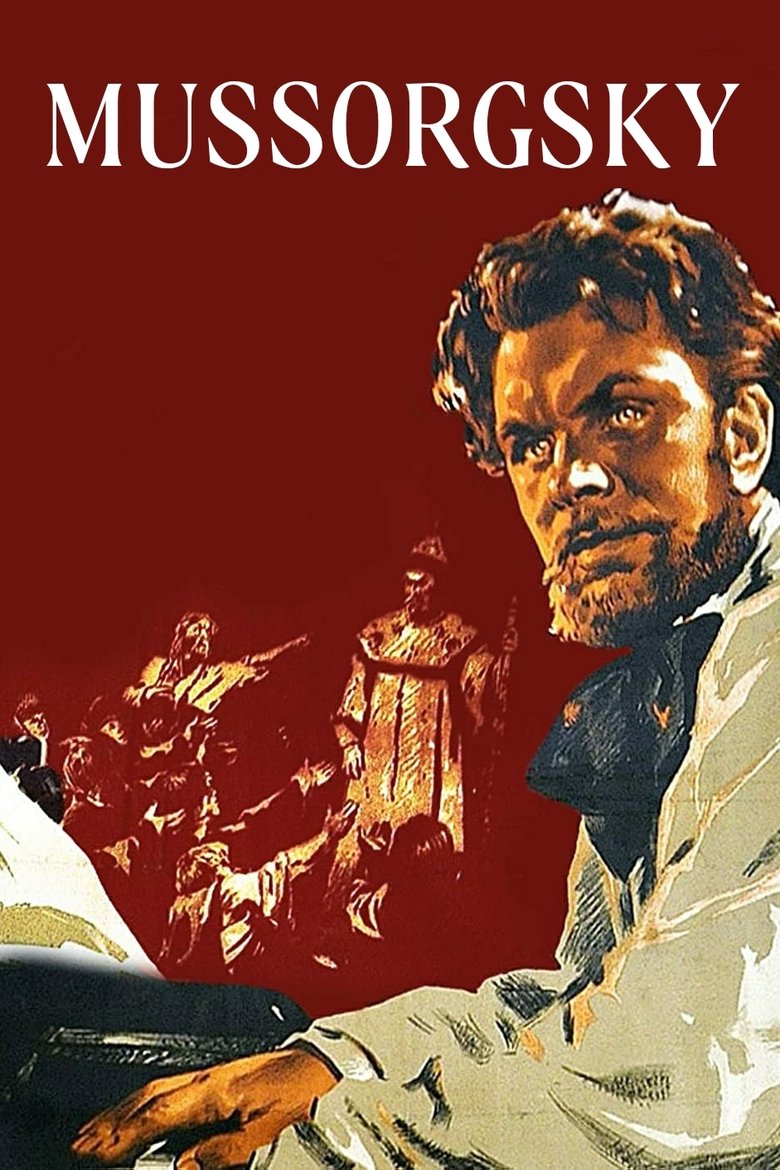
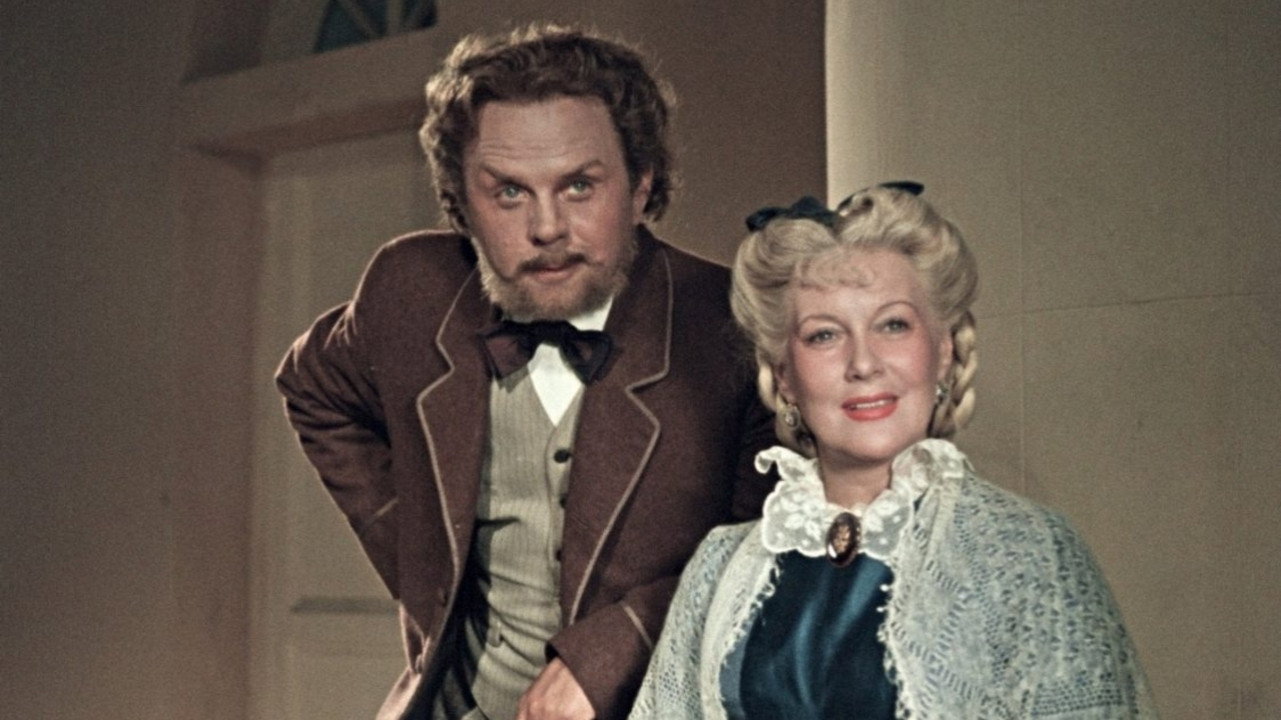
Saint Petersburg, 1858. A group of composers known as The Five meet at Balakirev's. Young Modest Mussorgsky, both a civil servant and a musician, has become a fixture there. He tells about the first opera he plans to compose. Then he goes to the country where he discovers the lowly conditions of the peasants and the bloody conflicts with the rich land owners. He works on Gogol's 'The Marriage', trying to render into music the natural accents of the play's naturalistic dialogue. But his efforts do not pan out. On the other hand, he starts writing his opera on the story of Boris Godunov. The Marinsky Theatre refuses to stage the work. The Five, and Mussorgsky among them, are libeled and the group starts disintegrating. When 'Boris Godunov' is finally performed in 1874, it is a popular success.
Status
Released
Original Language
RU
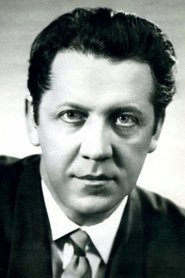
Nikolai Rimsky-Korsakov
An ordinary working class boy, like all his peers, he played football day and night and dreamed of being a striker. But no matter which team he played for - in the yard, at the factory, or in the army - he was inevitably put in goal.