
User Score
4 votes
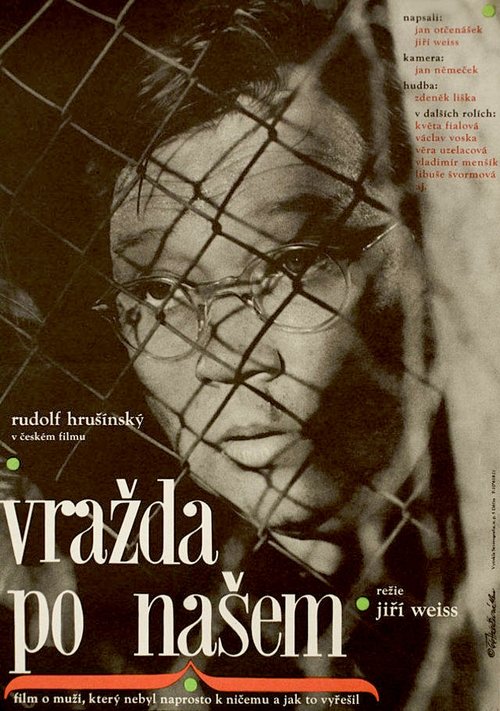
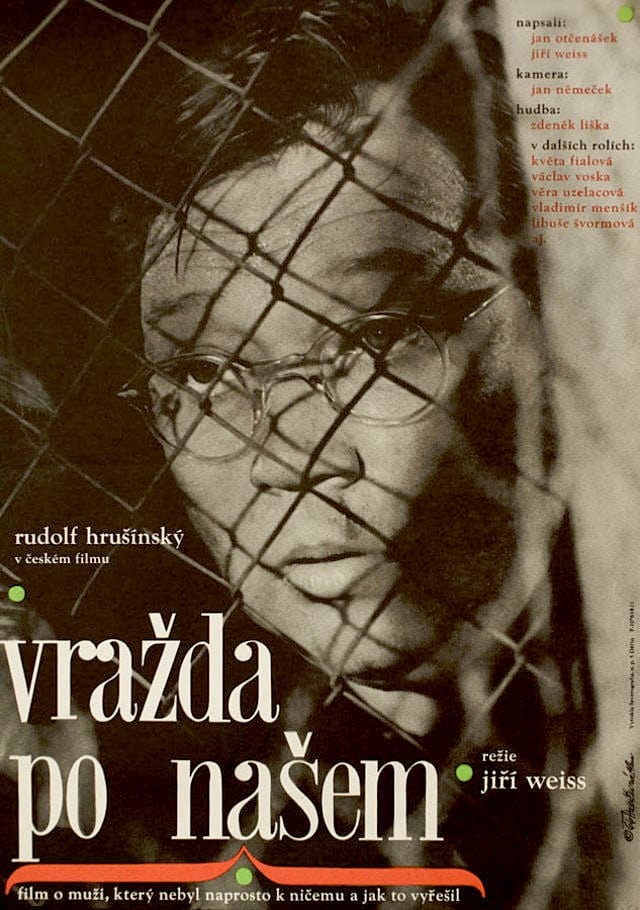
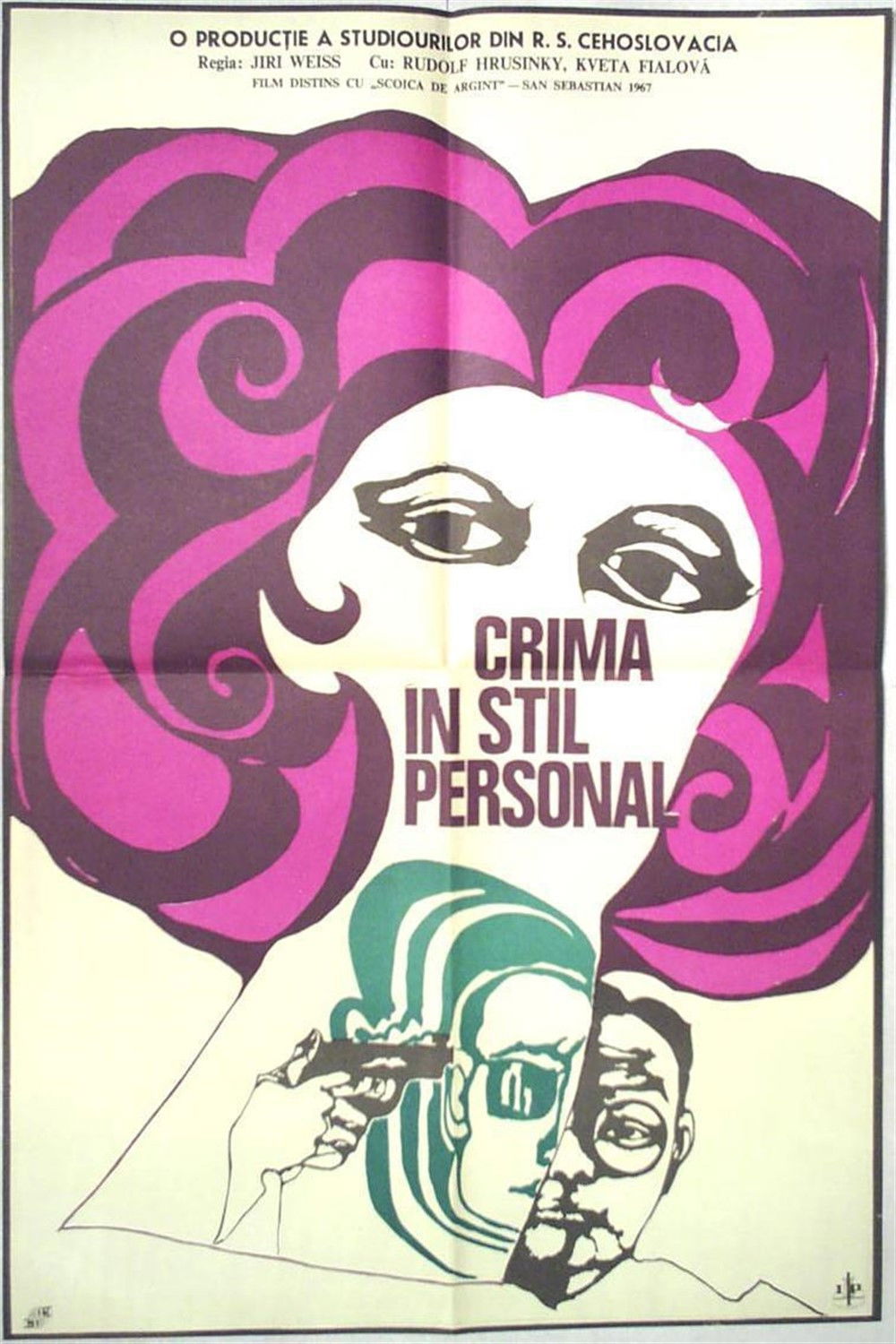
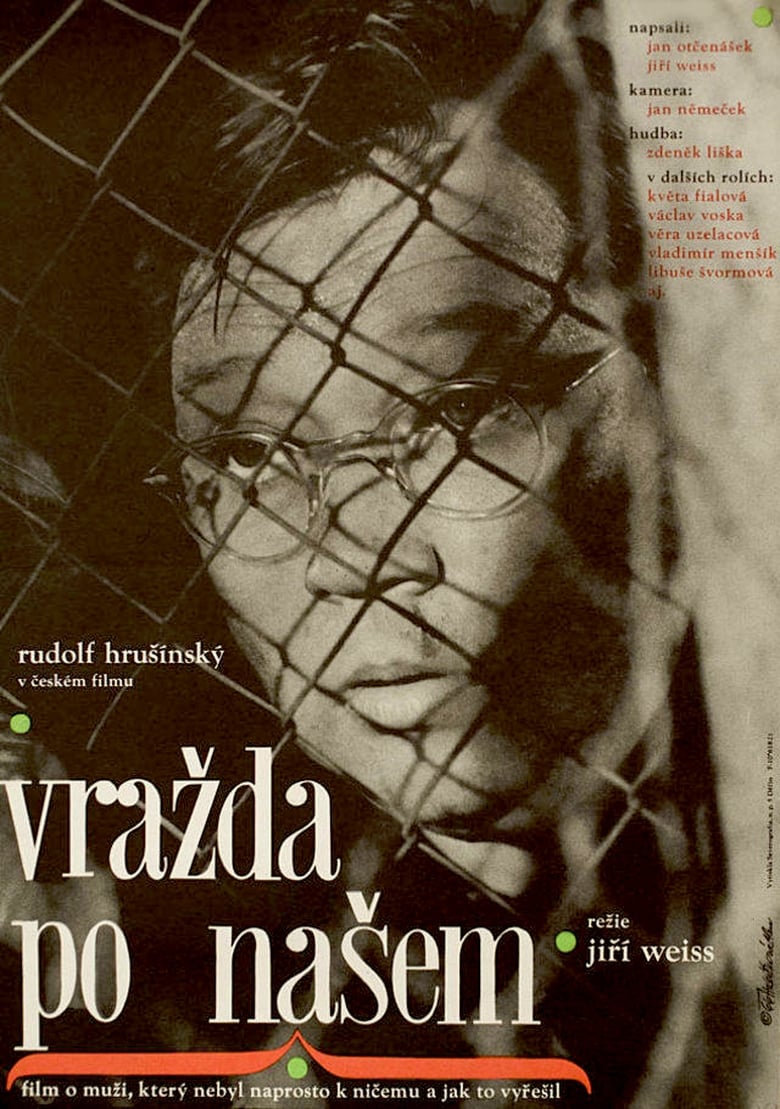
The protagonist (Rudolf Hrusinsky) is a dull, fat, shy government clerk indulging in voyuerism and ego fantasies. In love with another clerk (Kveta Fiolova), he is urged on in his pursuit by a commiserate executive. The story is told in a flashback sequence as the cuckolded Hrusinsky attempts suicide by gassing himself in his bathtub. The "Murder" of the title is not a murder as such, rather the murder that Hrusinsky remembers planning upon discovering his wife's unfaithfulness with his supposed friend and advisor. Both plots failing in his mind, he loses himself in fantastic reveries of his funeral and of hypocritical mourners. ' Deciding (perhaps) that this is not the way out either, he gives up the attempt and imagines a life of reconciliation and eventual affluence.
Status
Released
Original Language
CS
Redítel
A modern retelling of Shakespeare's classic comedy about two pairs of lovers with different takes on romance and a way with words.