User Score
5 votes
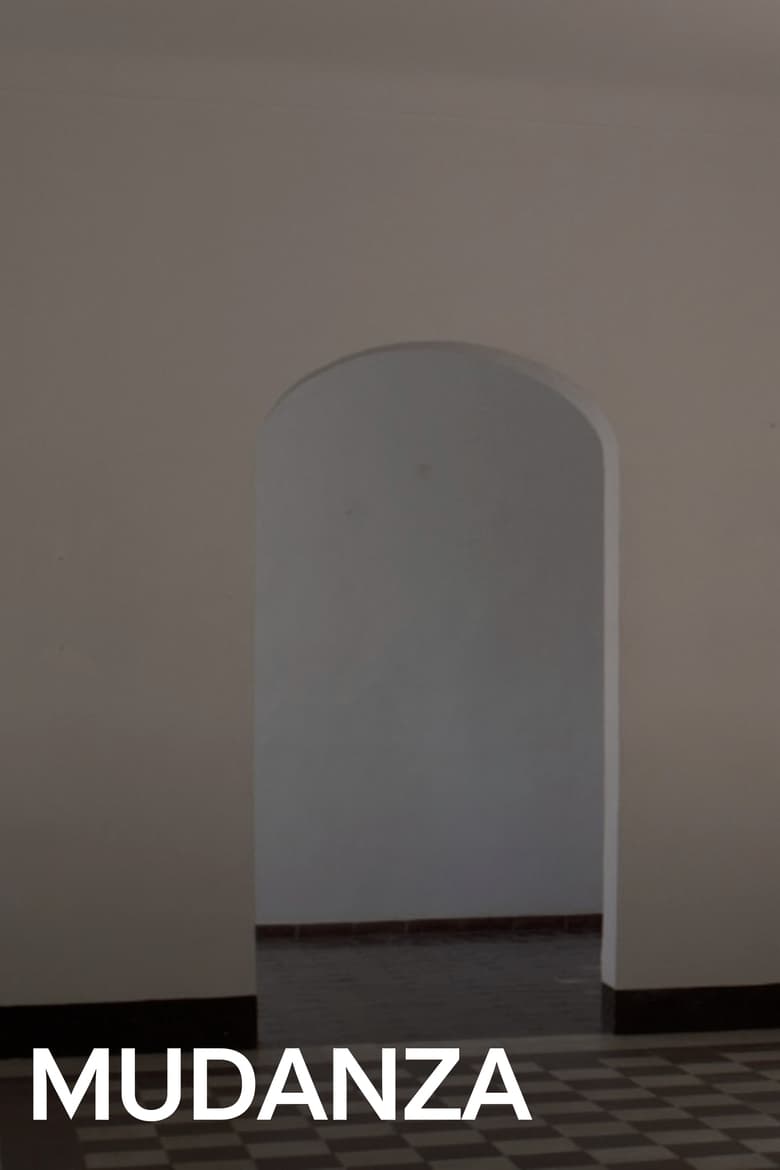
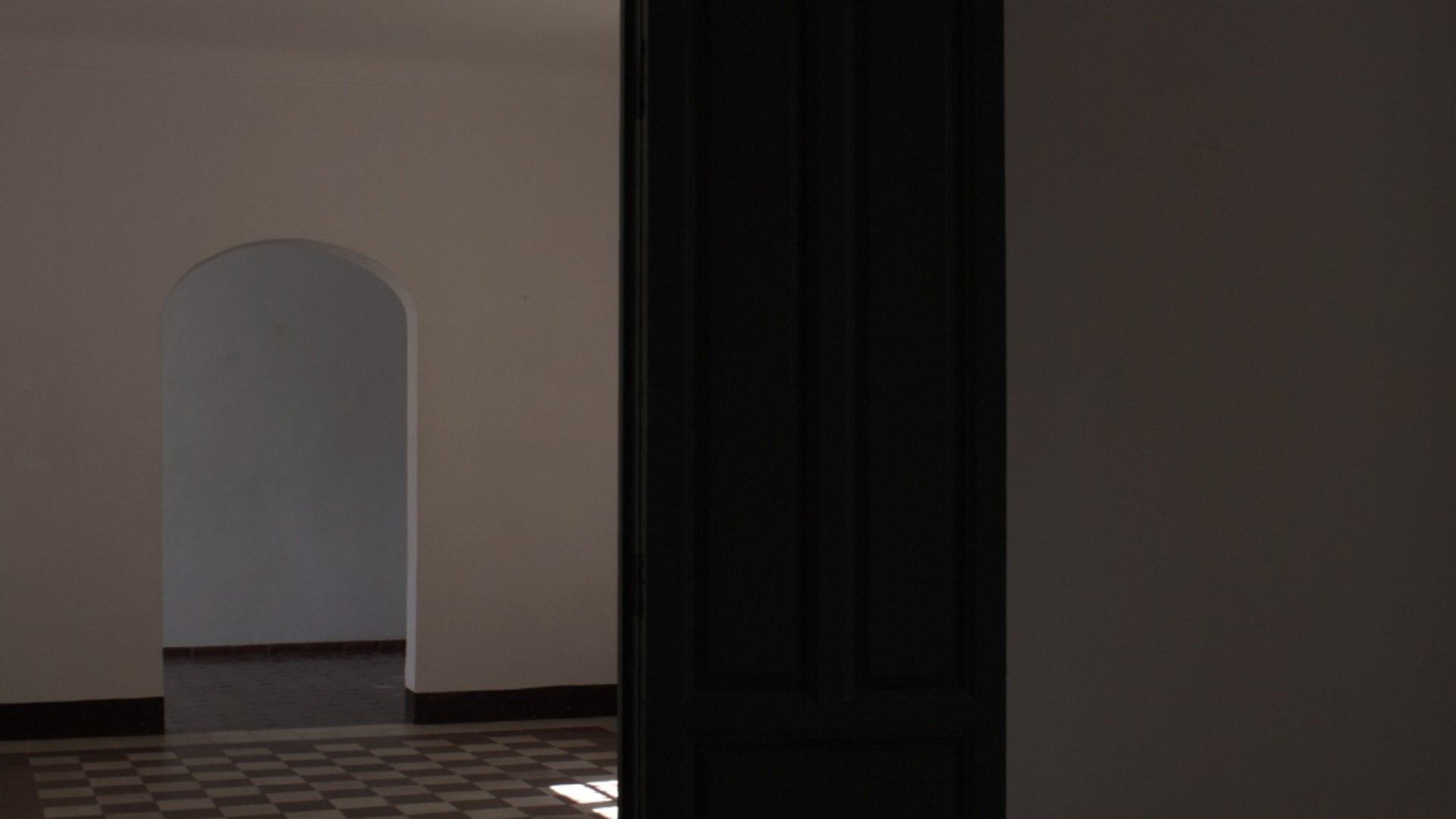
"Mudanza" (Removal) came to be made after the curator Hans Ulrich Obrist was asked for involvement in a project in the Huerta de San Vicente, the home and museum of the García-Lorca family in Granada. The film records the removal of furniture and objects from the building, leaving visitors able to move freely amongst its empty spaces and a silence charged with feeling and resonance and the take from the experience whatever they demand from it - thus making poet Federico García Lorca's emotive and historic absence even more powerful, evident and heartfelt.
Director
Writer
Status
Released
Original Language
ES
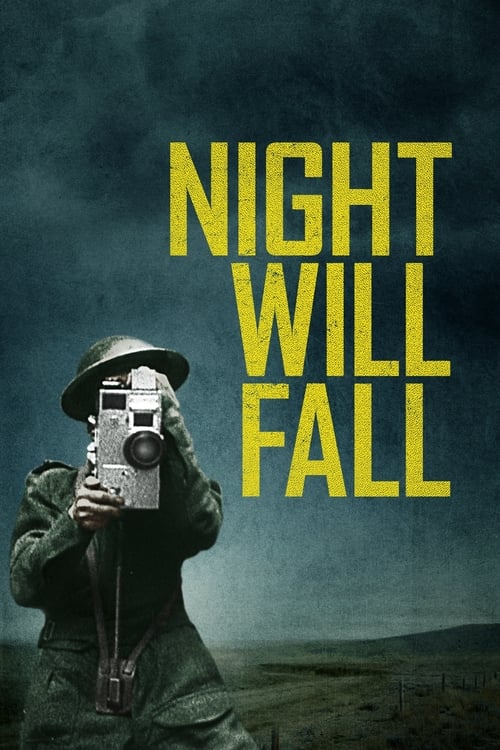
When Allied forces liberated the Nazi concentration camps in 1944-45, their terrible discoveries were recorded by army and newsreel cameramen, revealing for the first time the full horror of what had happened. Making use of British, Soviet and American footage, the Ministry of Information’s Sidney Bernstein (later founder of Granada Television) aimed to create a documentary that would provide lasting, undeniable evidence of the Nazis’ unspeakable crimes. He commissioned a wealth of British talent, including editor Stewart McAllister, writer and future cabinet minister Richard Crossman – and, as treatment advisor, his friend Alfred Hitchcock. Yet, despite initial support from the British and US Governments, the film was shelved, and only now, 70 years on, has it been restored and completed by Imperial War Museums under its original title "German Concentration Camps Factual Survey".
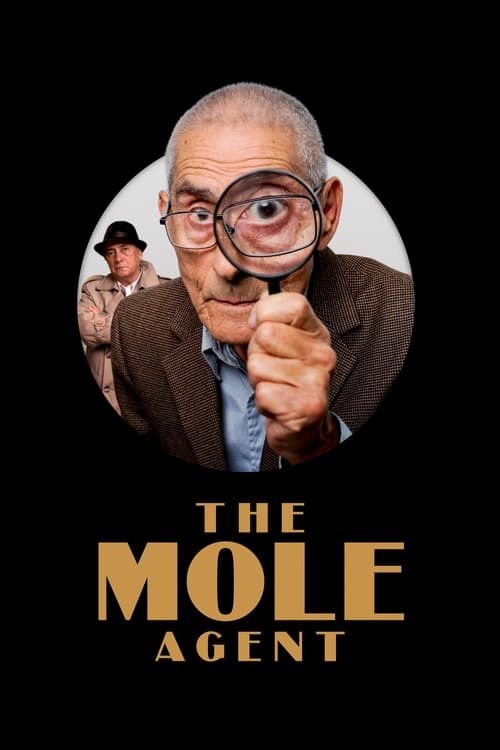
When a daughter becomes concerned about her mother's well-being in a retirement home, private investigator Romulo hires Sergio, an 83-year-old man who becomes a new resident—and a mole inside the home, who struggles to balance his assignment with becoming increasingly involved in the lives of several residents.