
User Score
1 votes
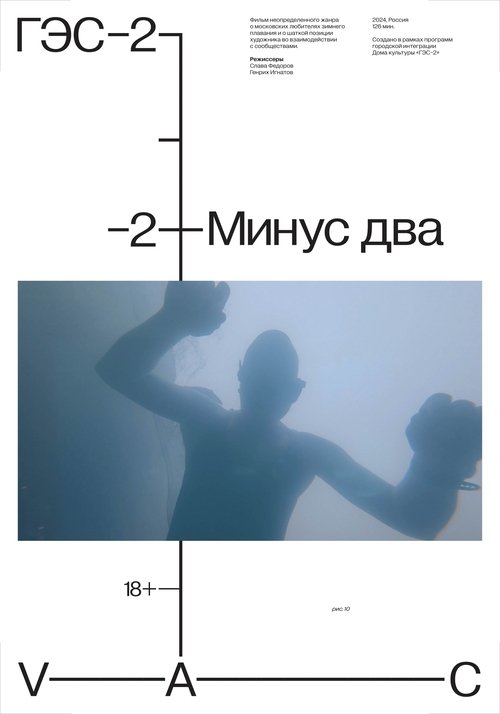
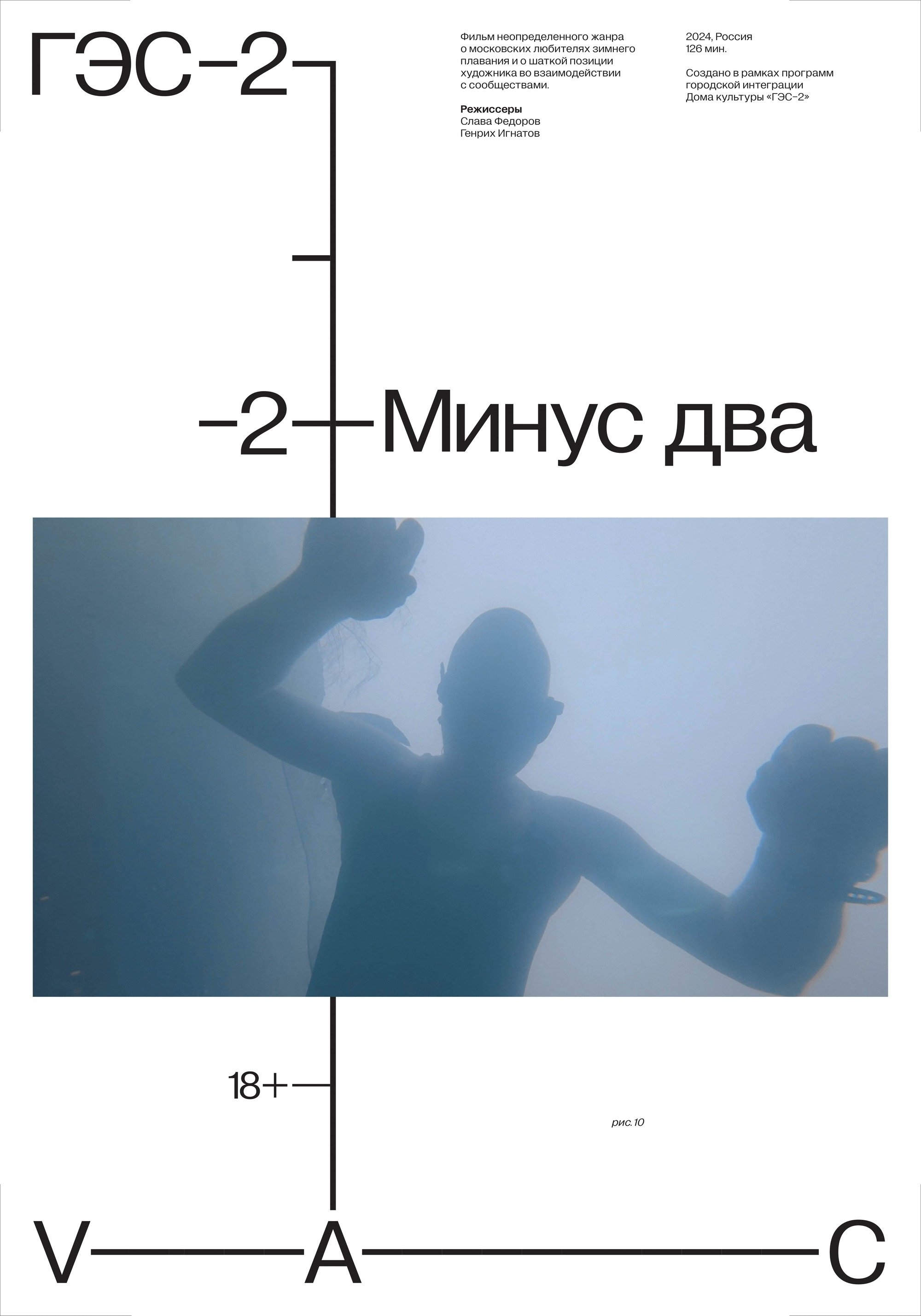
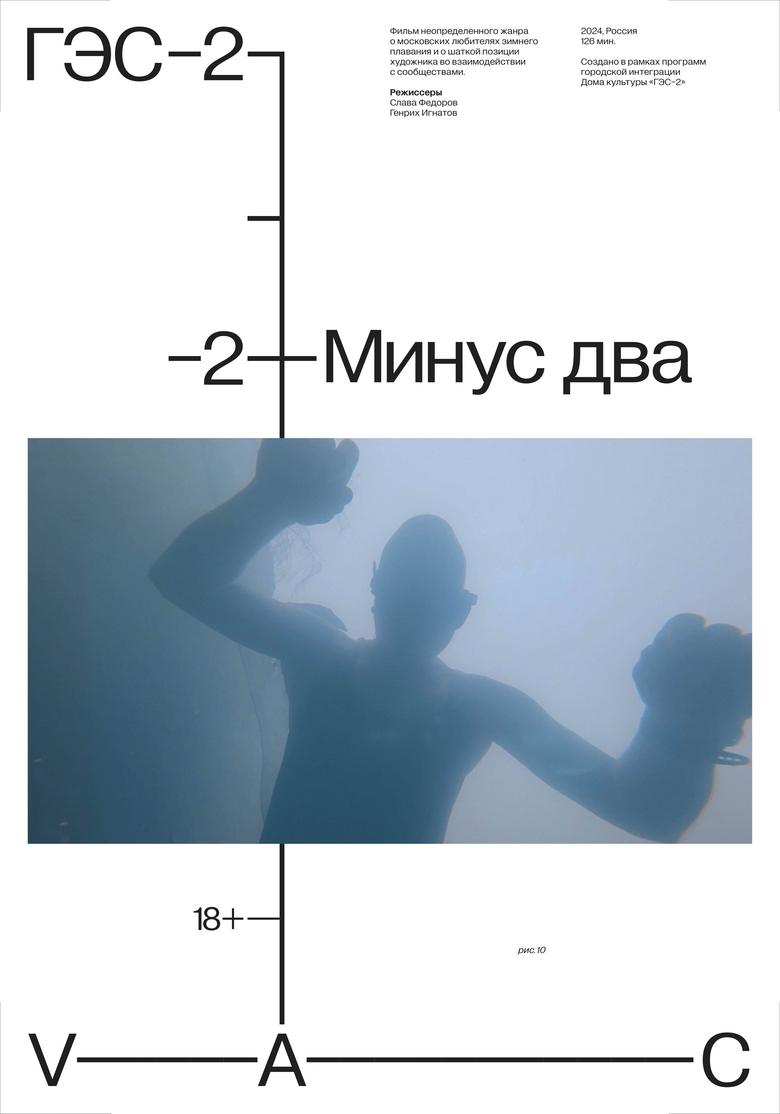
A couple of filmmaking friends decide to work together and choose "walruses" - lovers of winter swimming and tempering — as the theme of their new work. And although it is not so difficult to establish contact with them, questions about how deeply a person can penetrate into the community from the outside arise again and again, as well as about which way of representation would be the most appropriate. One thing clings to the other, and now, thanks to the walrus clubs in Strogino and Shchukino, new arguments about why to make a movie are surfacing.
Director
Director
Status
Released
Original Language
RU

When Allied forces liberated the Nazi concentration camps in 1944-45, their terrible discoveries were recorded by army and newsreel cameramen, revealing for the first time the full horror of what had happened. Making use of British, Soviet and American footage, the Ministry of Information’s Sidney Bernstein (later founder of Granada Television) aimed to create a documentary that would provide lasting, undeniable evidence of the Nazis’ unspeakable crimes. He commissioned a wealth of British talent, including editor Stewart McAllister, writer and future cabinet minister Richard Crossman – and, as treatment advisor, his friend Alfred Hitchcock. Yet, despite initial support from the British and US Governments, the film was shelved, and only now, 70 years on, has it been restored and completed by Imperial War Museums under its original title "German Concentration Camps Factual Survey".

In this documentary, recovering addict and amputee John Wood finds himself in a stranger-than-fiction battle to reclaim his mummified leg from Southern entrepreneur Shannon Whisnant, who found it in a grill he bought at an auction and believes it therefore to be his rightful property.