
User Score
1 votes
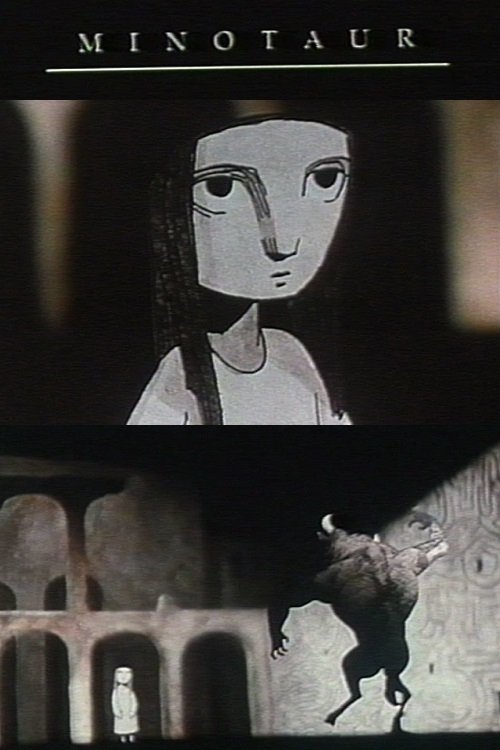
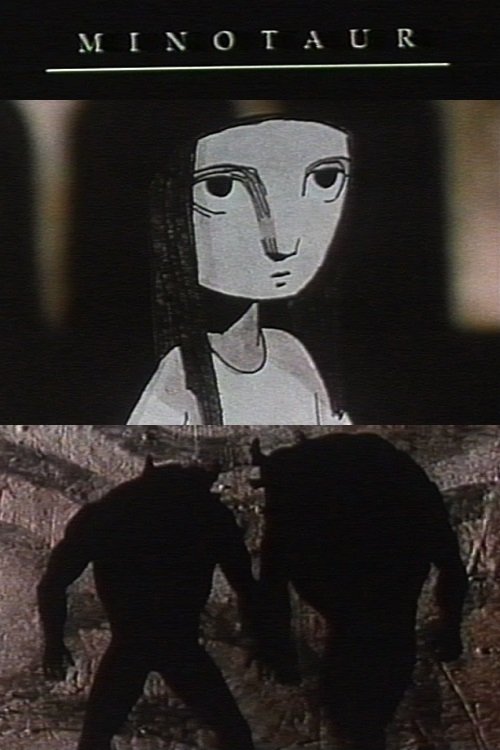
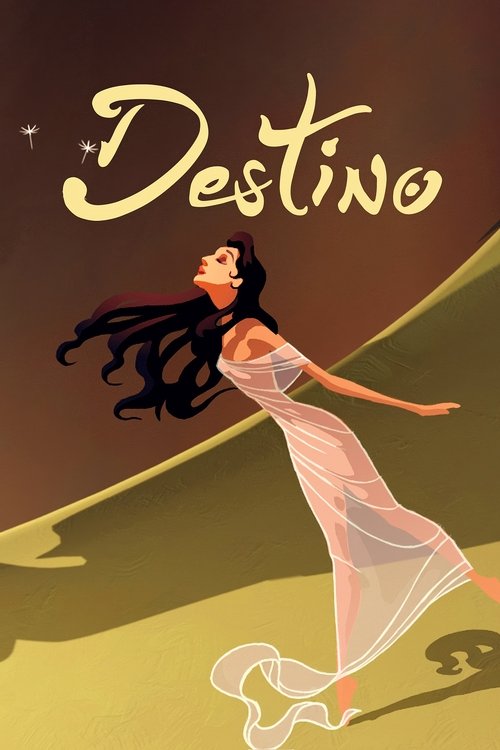
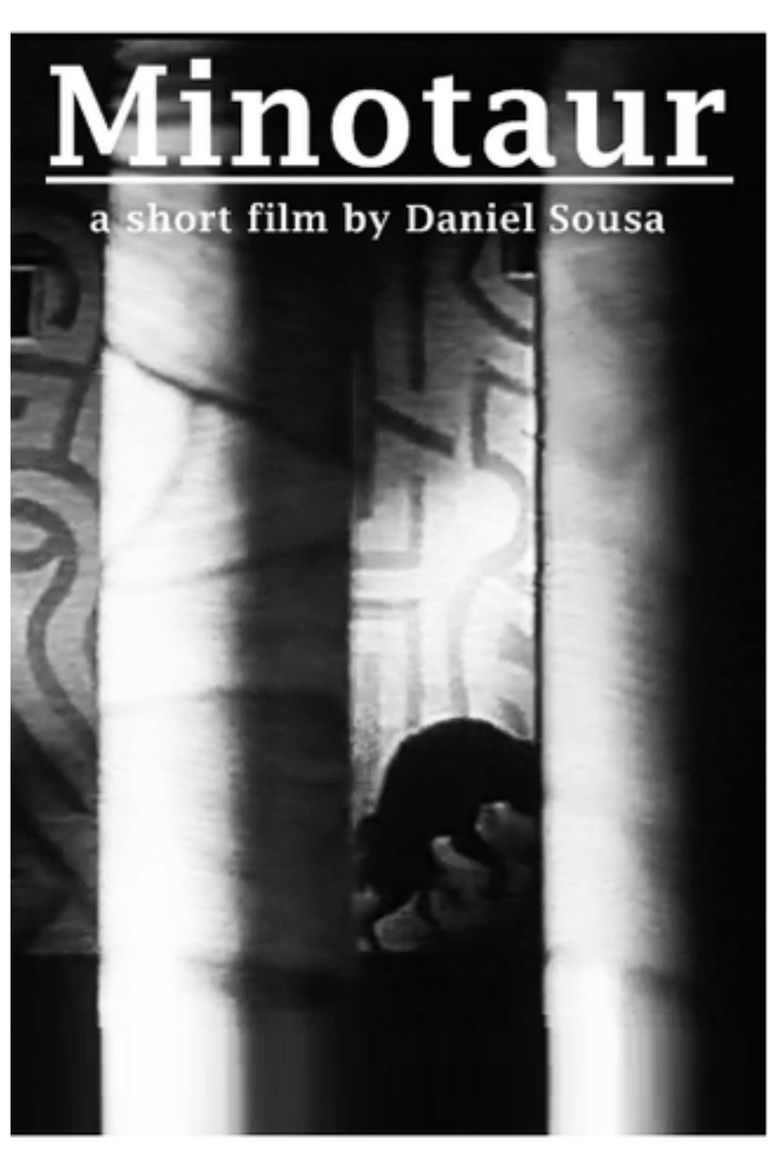
A loose interpretation of the Minoan myth, as seen through the monster's point of view. Abandoned in a labyrinthine island, the childlike minotaur has as his only companion a playful red ball and a multitude of mirrors. When he sees his own image he imagines himself dancing in perfect synchronicity with a mysterious other. But new characters are brought to the island, and they don't behave like his choreographed twins. Confused and frustrated, the creature has to learn to adapt to a world of uncertainty. But when he can't, the monster's true nature is revealed. Most of the character animation was originally hand-drawn on a light table, cut out and mounted on rigid cardboard. This was done so that each replacement could stand up vertically within a three-dimensional set. The set was then lit with fibre-optic lights and shot in stop-motion, using a 16mm Bolex camera. Some of the animation was done as hinged cut-out puppets on glass, using a multi-plane rig.
Director
Status
Released
Original Language
EN
In a time when dinosaurs rule the Earth, the smallest dinosaur of the herd, a playful Pachyrhinosaurus named Patchi, embarks on the biggest adventure of his life. As he tries to find his place in a spectacular world filled with fun-loving friends and a few dangerous foes, Patchi will discover the courage he needs to become the leader of the herd and a hero for the ages.