
User Score
0 votes
More than 40 years ago, the phone rang in Anny Stern's New York City home. It was a man she didn't know, calling to giver her a notebook. Covered in brown paper, its pages hand-sewn together, this was no ordinary notebook. It was one in which her mother, Mina, had hand-written recipes while interned in the Nazi concentration camp at Terezin, in Czechoslovakia. MINA'S RECIPE BOOK retraces Mina's story, as told by her grandson, a fellow internee, and a trove of archival material. Sent to Terezin along with the rest of Prague's Jews in 1941, she shared a room with 13 other women, only one of whom would survive.
Director
Status
Released
Original Language
EN
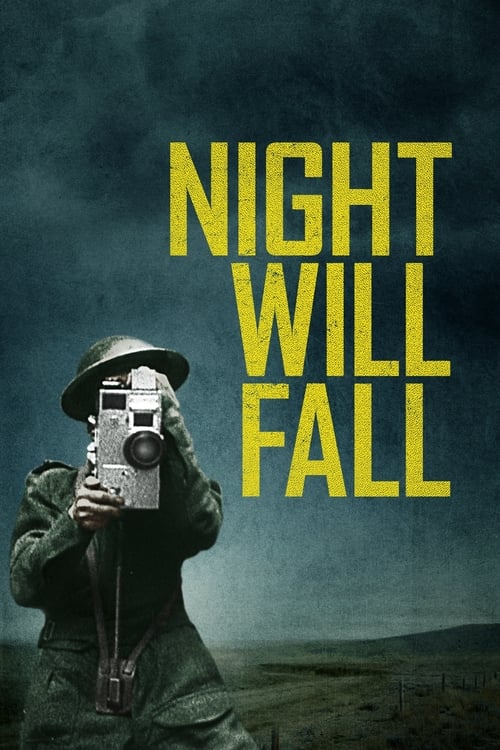
When Allied forces liberated the Nazi concentration camps in 1944-45, their terrible discoveries were recorded by army and newsreel cameramen, revealing for the first time the full horror of what had happened. Making use of British, Soviet and American footage, the Ministry of Information’s Sidney Bernstein (later founder of Granada Television) aimed to create a documentary that would provide lasting, undeniable evidence of the Nazis’ unspeakable crimes. He commissioned a wealth of British talent, including editor Stewart McAllister, writer and future cabinet minister Richard Crossman – and, as treatment advisor, his friend Alfred Hitchcock. Yet, despite initial support from the British and US Governments, the film was shelved, and only now, 70 years on, has it been restored and completed by Imperial War Museums under its original title "German Concentration Camps Factual Survey".

Through deeply personal interviews with her siblings and an examination of the photographs, letters, and belongings left behind, Mariska assembles a new portrait of her mother Jayne Mansfield, an extraordinary and complex woman.