
User Score
1 votes
In 1990, filmmaker Jan Špáta headed to the North Moravian border region to join photographer Jindřich Štreit. His social humanist black-and-white images of the most ordinary life situations were close to his heart and offered themselves as a means of bearing witness to the social and spiritual state of Czech society on the threshold of freedom. "By allowing myself to be carried away by the world of Štreit's photographs, it is, in terms of content, one of my most raw films", Špáta rightly says. Štreit recalls, "I showed him different settings, what he would be interested in, what he would like, and it is true that he had a very easy job in two ways. Firstly, because these people were used to being photographed, and secondly, I chose the most attractive settings and the most attractive people. I knew that they were photogenic and that these were carrying situations".
Status
Released
Original Language
CS
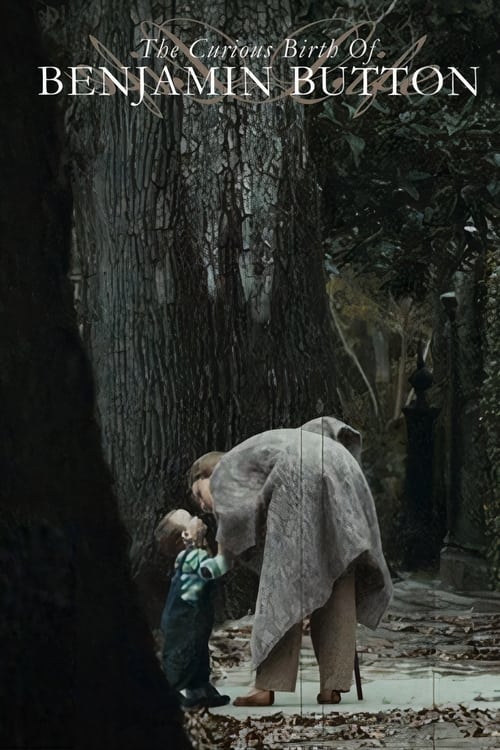
A documentary about the making of David Fincher's 2008 film THE CURIOUS CASE OF BENJAMIN BUTTON. Virtually every element in the evolution of the Fincher's film is documented here, from the project's attachment to numerous other directors during the 1990s, to its shoot in 2006 and 2007 in New Orleans, to its complex, CGI-intensive postproduction process.