
User Score
0 votes
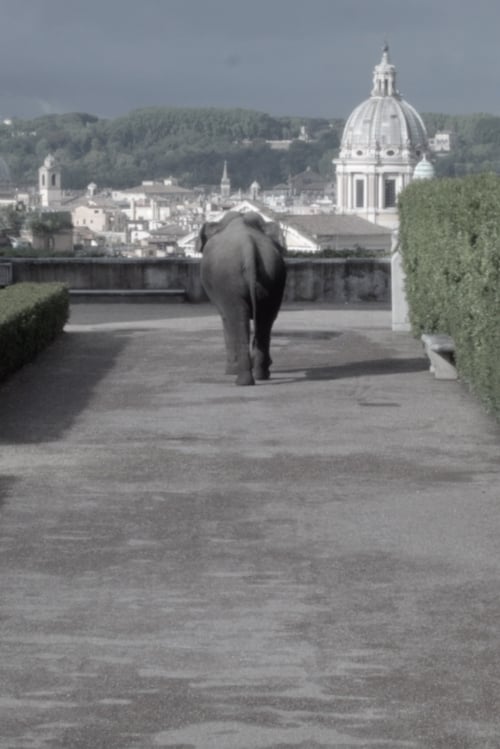
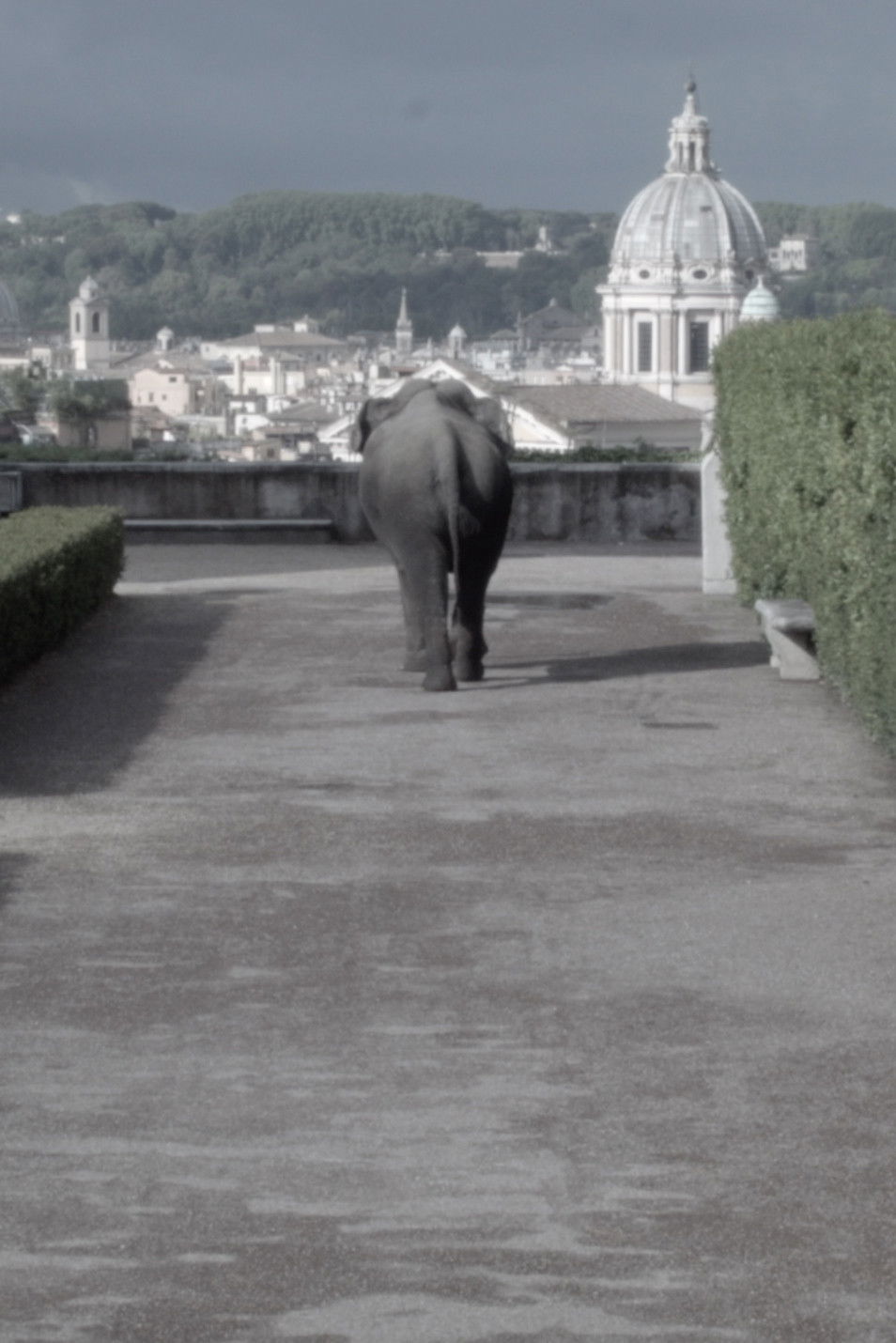
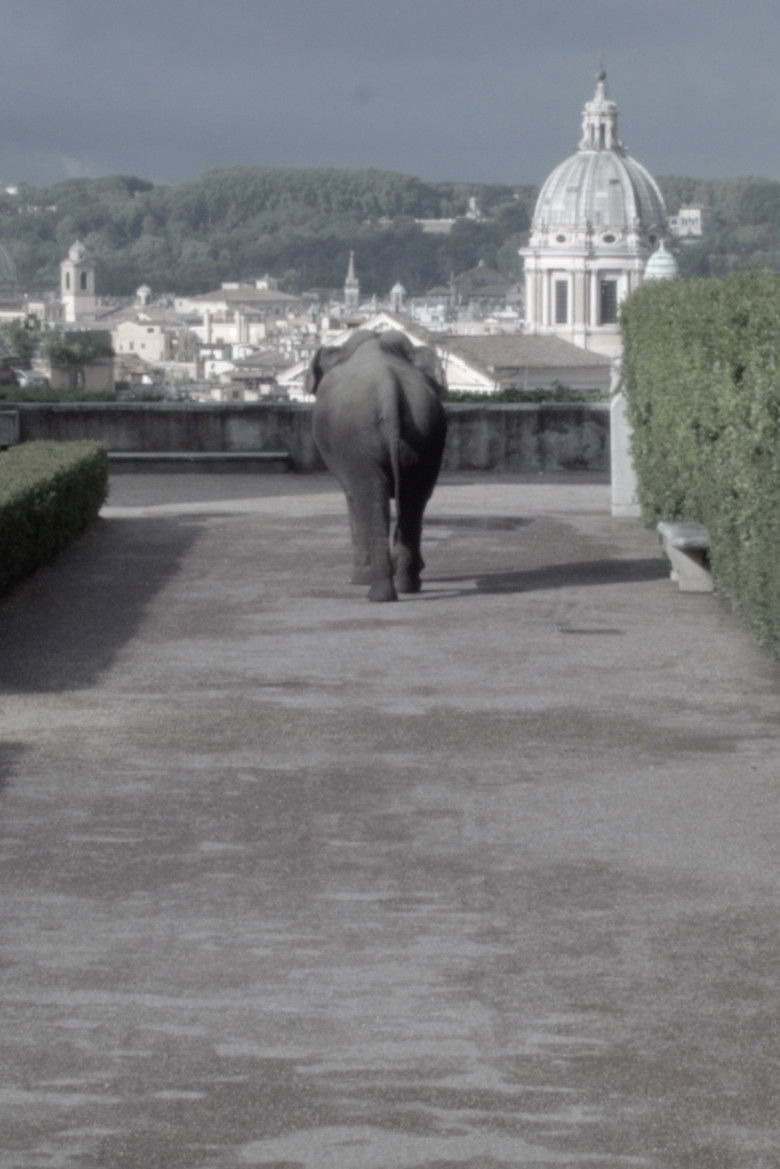
The “method of loci” is a strategy to retain information efficiently by imagining the memory as an architectural structure. Each piece of information has its own place that you can calmly walk to in your mind. Great thinkers of the past used this technique, with the Roman orator Cicero as the best known among them. Rebecca Digne portrays the method of loci by having an elephant walk through a garden. With its proverbially infallible memory, the animal paces along the the garden paths—calmly, but with purposeful determination. The gardens are at the Villa Medici in Rome, where the French Academy has been established since 1804, a time of renewed interest in the ideas of Cicero. It’s an oasis of tranquility in the otherwise busy city, a refuge as our inner selves can be when life threatens to become too chaotic. Digne’s visual haiku looks surreal, but it has an unmistakably philosophical slant.
Director
Status
Released
Original Language
EN
During World War II in North Africa, a group of British commandos disguised as Italian soldiers must travel behind enemy lines and destroy a vital Nazi oil depot.