
User Score
3 votes
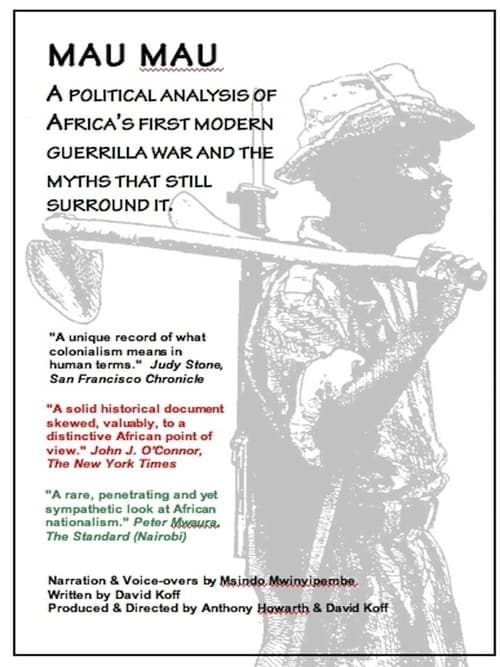
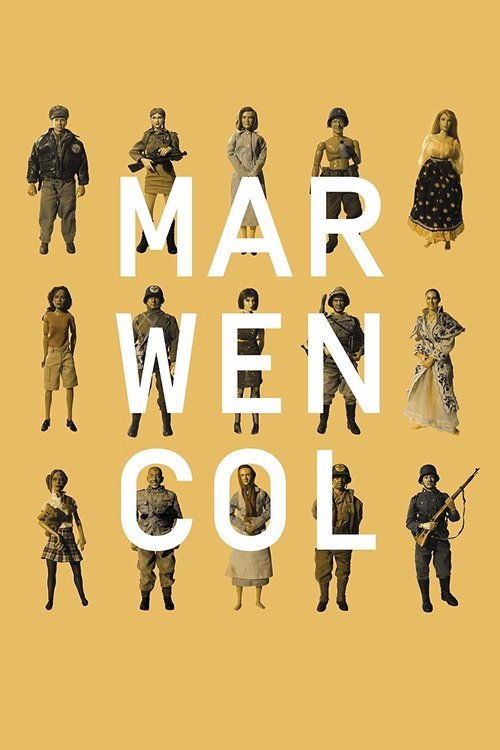
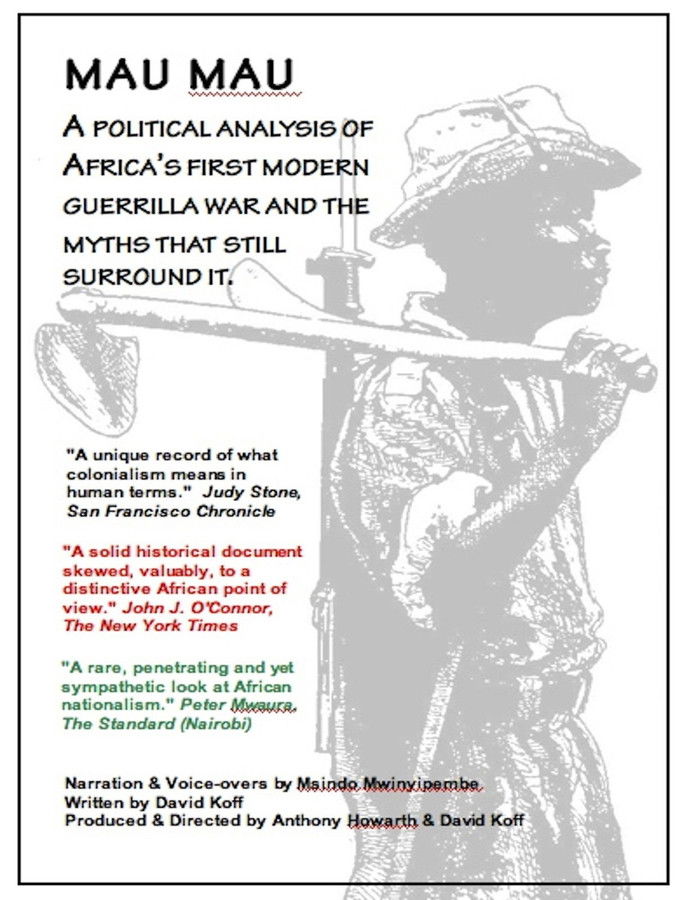
In October 1952 the British government declared a State of Emergency in Kenya. Its object: the defeat of "Mau Mau." In the war that followed, fewer than 40 of Kenya's 40,000 white settlers were killed while more than 15,000 Africans lost their lives, and hundreds of thousands more were arrested and subjected to a humiliating and often brutal process of "rehabilitation." But what was Mau Mau? A movement based, according to the British Colonial Secretary, on a "perverted nationalism and a sort of nostalgia for barbarism"? Or the Land Freedom Army, an organized political and military response to repression and armed aggression? Using newsreel and previously inaccessible archive footage, and drawing on interviews with participants on both sides, Mau Mau examines the myth and the reality of Africa's first modern guerrilla war.
Status
Released
Original Language
EN

When Allied forces liberated the Nazi concentration camps in 1944-45, their terrible discoveries were recorded by army and newsreel cameramen, revealing for the first time the full horror of what had happened. Making use of British, Soviet and American footage, the Ministry of Information’s Sidney Bernstein (later founder of Granada Television) aimed to create a documentary that would provide lasting, undeniable evidence of the Nazis’ unspeakable crimes. He commissioned a wealth of British talent, including editor Stewart McAllister, writer and future cabinet minister Richard Crossman – and, as treatment advisor, his friend Alfred Hitchcock. Yet, despite initial support from the British and US Governments, the film was shelved, and only now, 70 years on, has it been restored and completed by Imperial War Museums under its original title "German Concentration Camps Factual Survey".

Brilliant, long in-the-works story of the life and art of the world's greatest comedian and the cinema's first genius, Charlie Chaplin. Produced, written and directed by renowned film critic Richard Schickel.