
User Score
0 votes
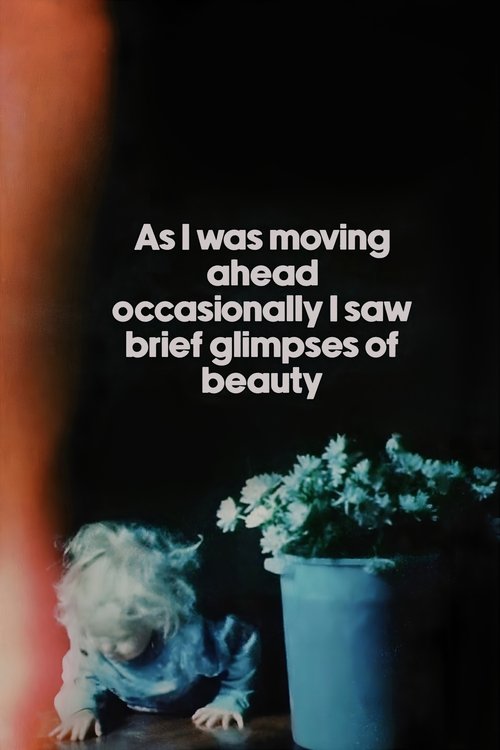
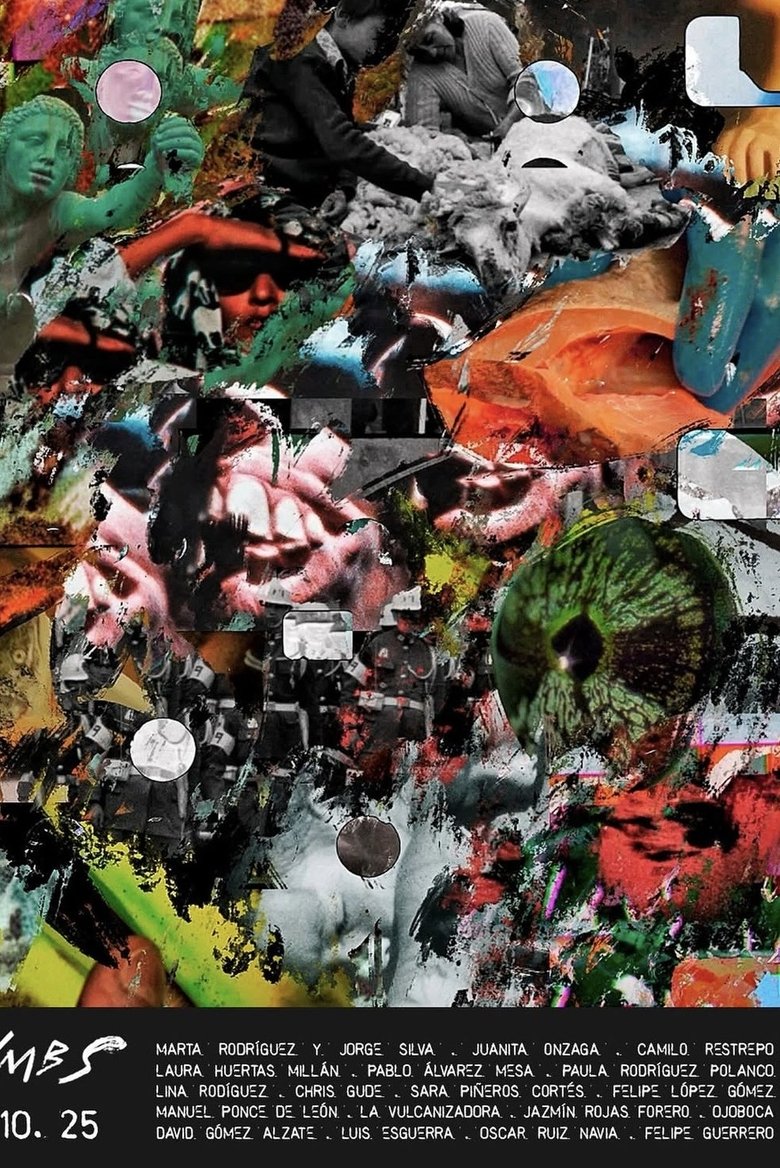
The 𝘳𝘶𝘴𝘩𝘦𝘴 evidence the presence of the person filming, revealing their movement and their center; they are the record of a hesitation seeking balance, testimony to the measurement of time. In that sustained gaze that pursues the precision of a gesture, meanings and bewilderment suddenly unfold. Filming, then, is the construction of a logic permeated by speculation, which in turn fertilizes it.
Director
Status
Released
Original Language
XX

Part two of Leni Riefenstahl's monumental examination of the 1938 Olympic Games, the cameras leave the main stadium and venture into the many halls and fields deployed for such sports as fencing, polo, cycling, and the modern pentathlon, which was won by American Glenn Morris.

Working men and women leave through the main gate of the Lumière factory in Lyon, France. Filmed on 22 March 1895, it is often referred to as the first real motion picture ever made, although Louis Le Prince's 1888 Roundhay Garden Scene pre-dated it by seven years. Three separate versions of this film exist, which differ from one another in numerous ways. The first version features a carriage drawn by one horse, while in the second version the carriage is drawn by two horses, and there is no carriage at all in the third version. The clothing style is also different between the three versions, demonstrating the different seasons in which each was filmed. This film was made in the 35 mm format with an aspect ratio of 1.33:1, and at a speed of 16 frames per second. At that rate, the 17 meters of film length provided a duration of 46 seconds, holding a total of 800 frames.