User Score
11 votes
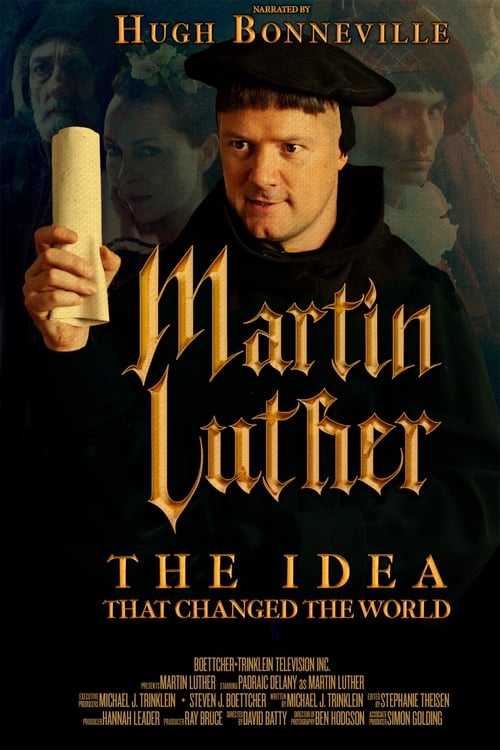
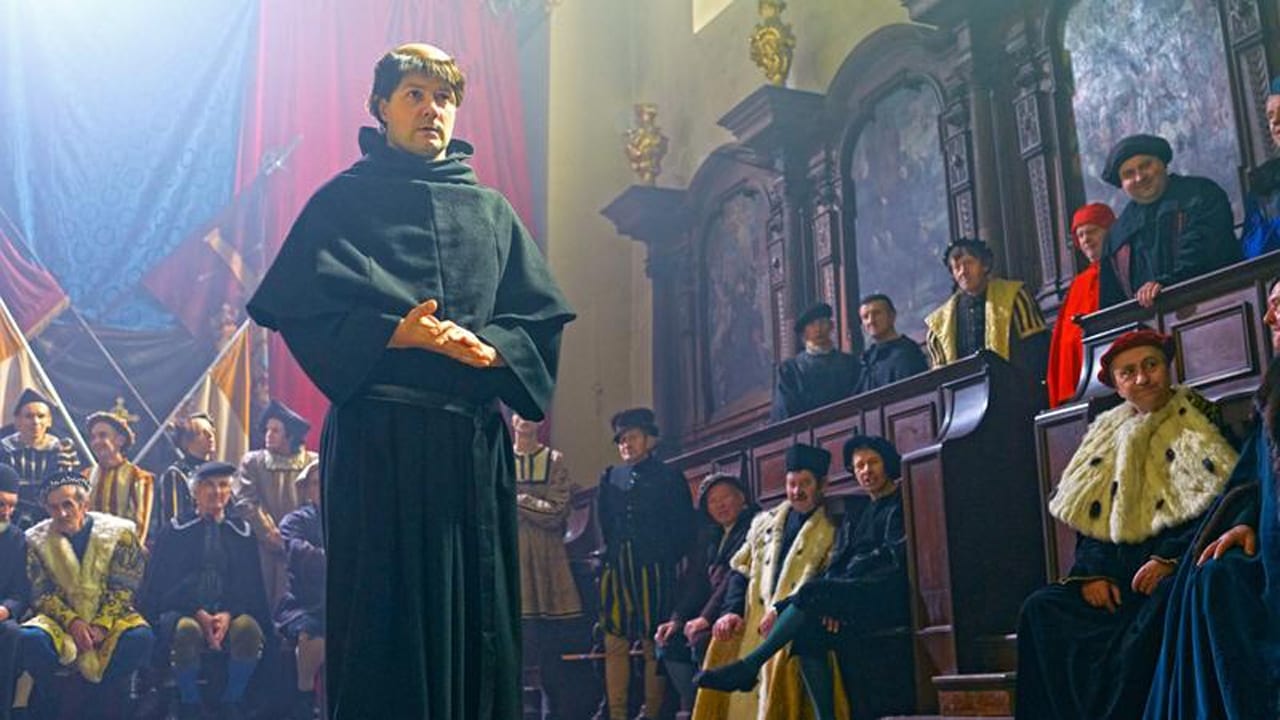
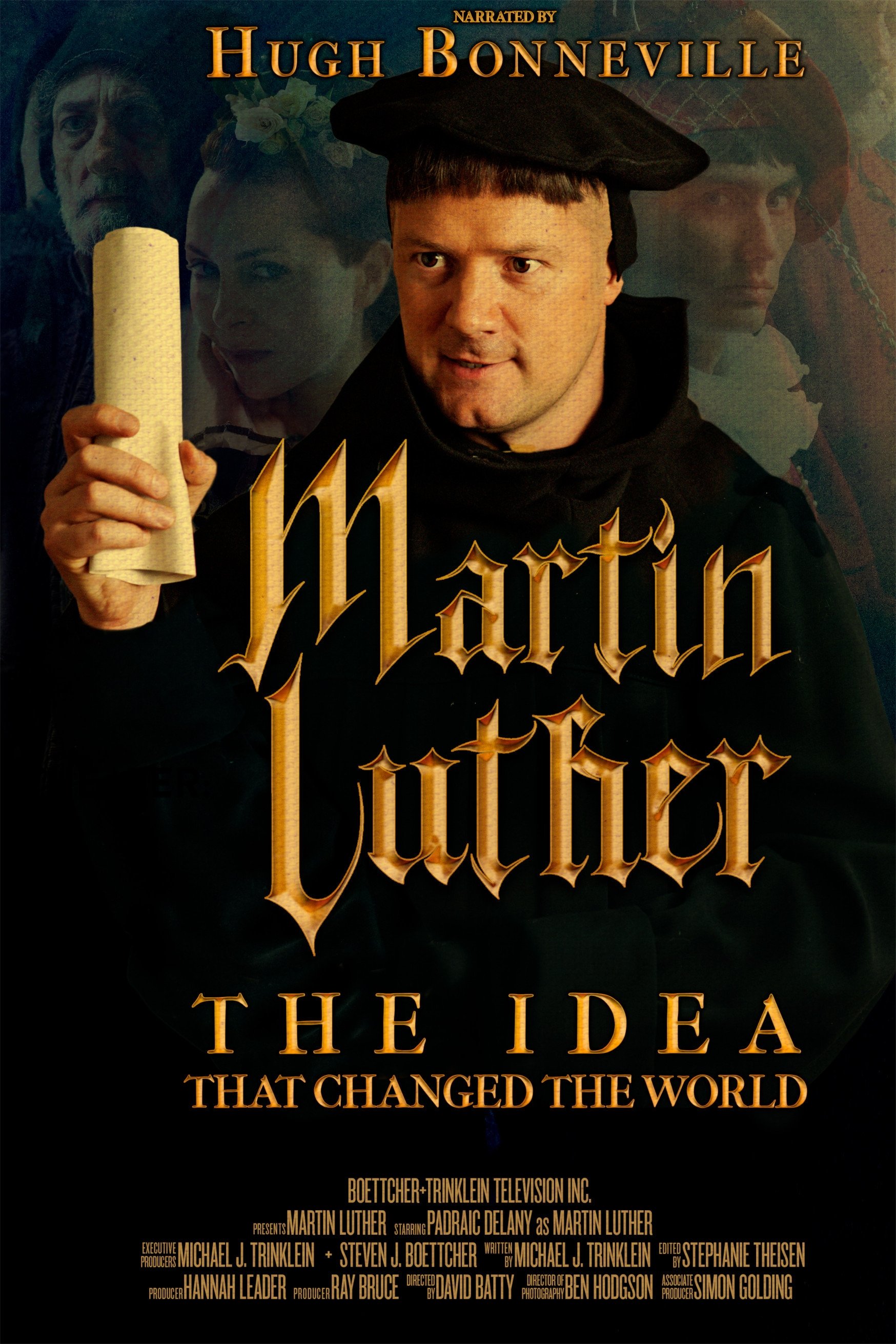
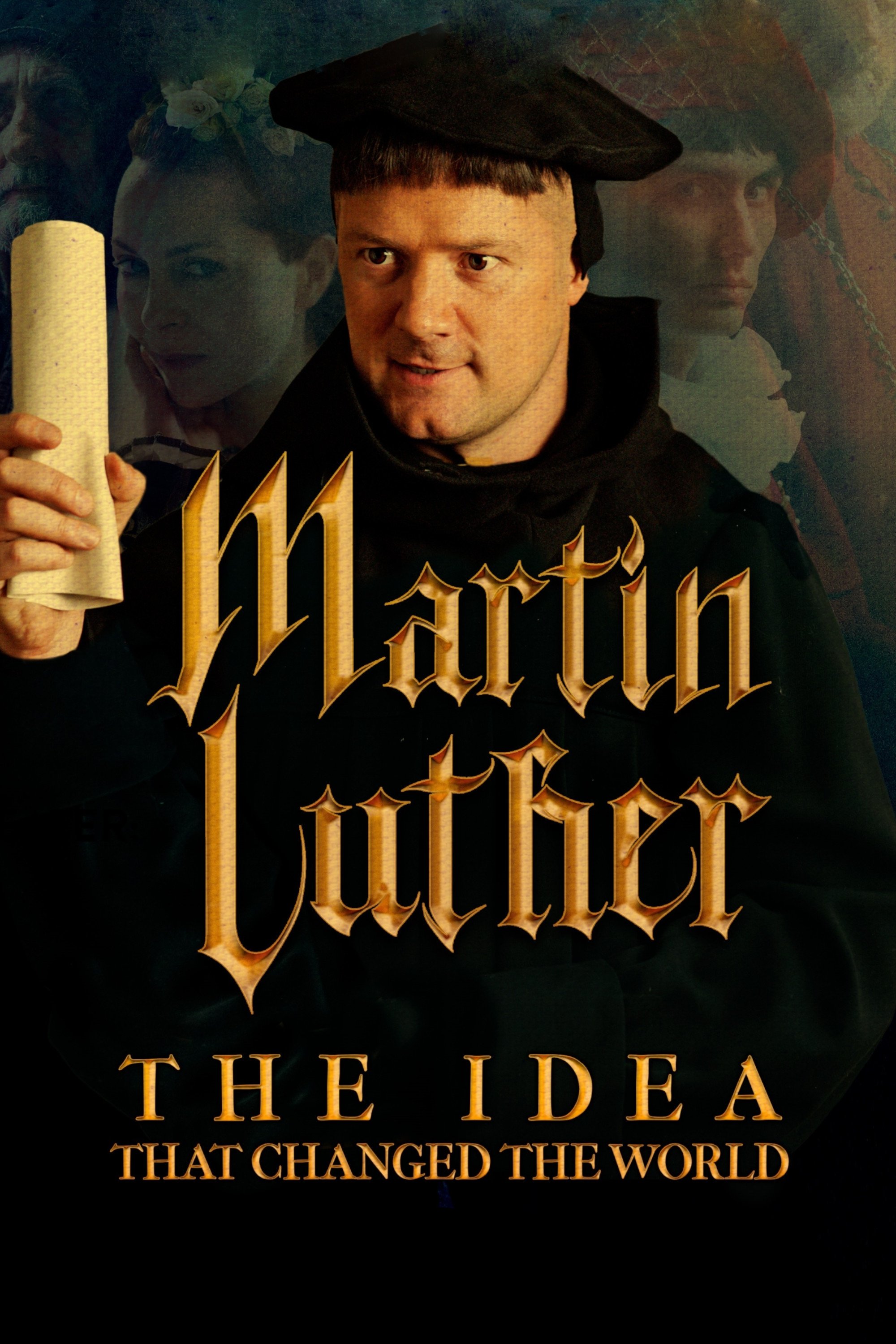
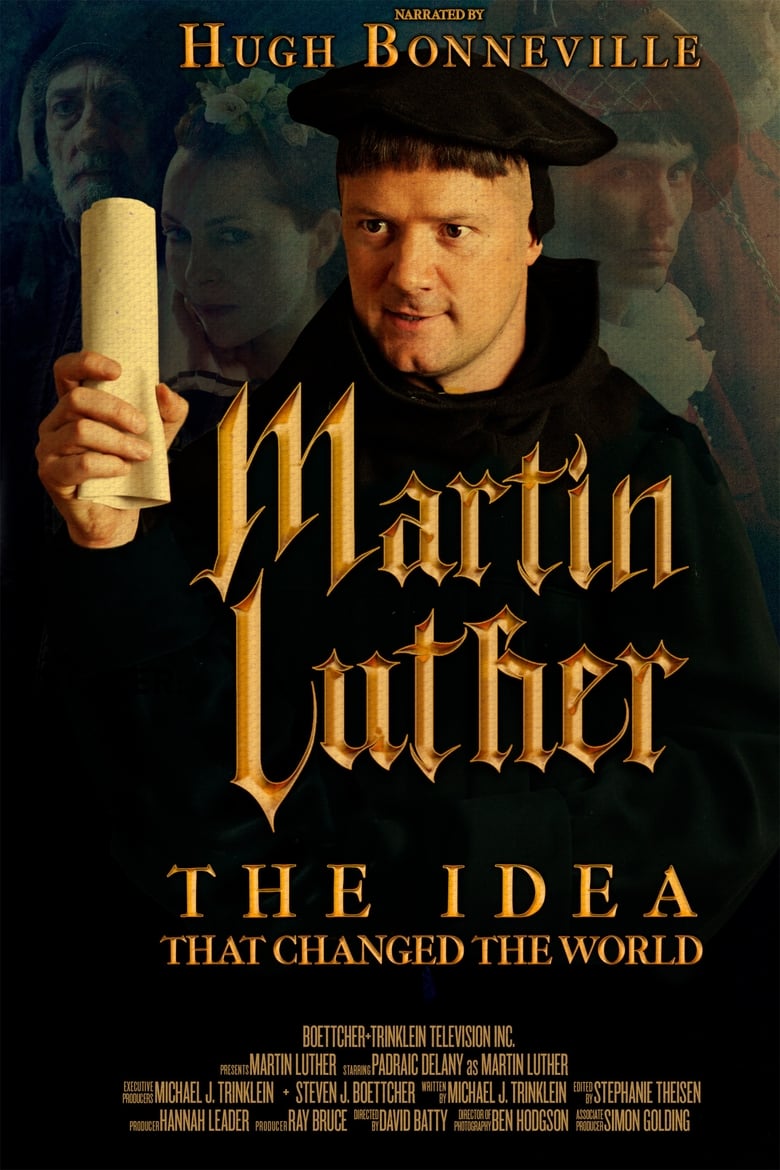
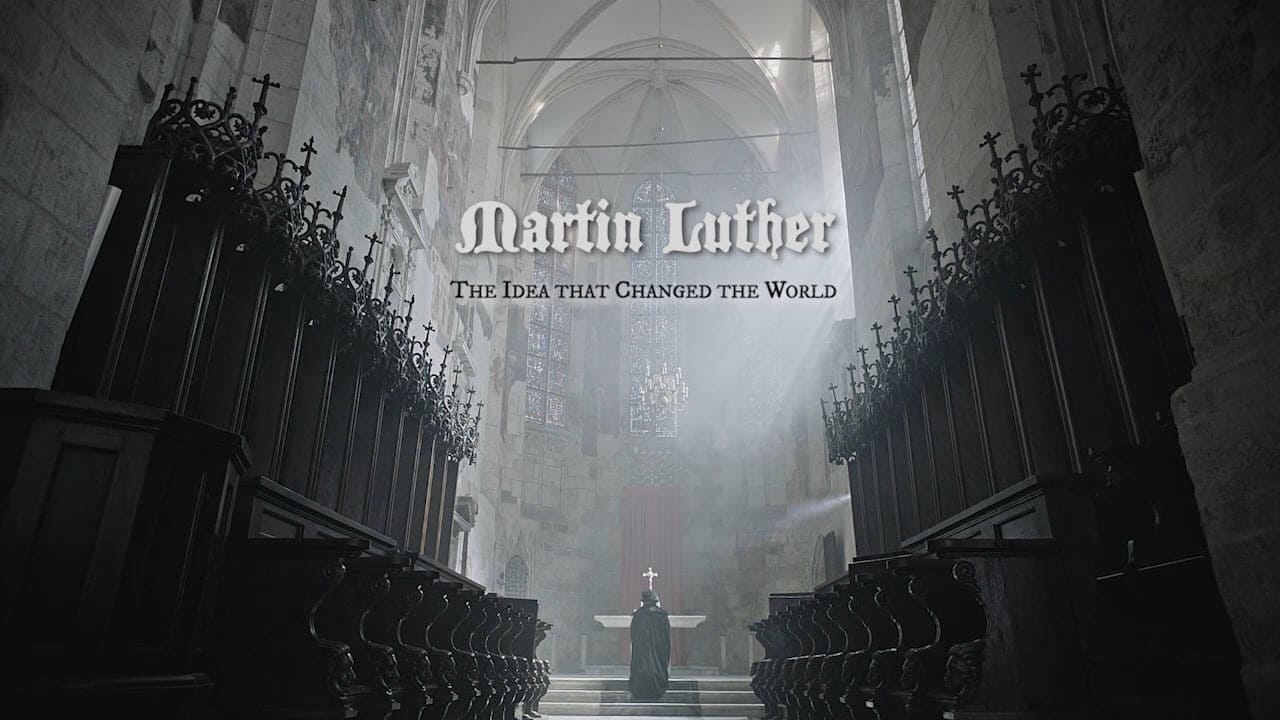
The year 2017 marks the 500th anniversary of one on the most important events in Western civilization: the birth of an idea that continues to shape the life of every American today. In 1517, power was in the hands of the few, thought was controlled by the chosen, and common people lived lives without hope. On October 31 of that year, a penniless monk named Martin Luther sparked the revolution that would change everything. He had no army. In fact, he preached nonviolence so powerfully that — 400 years later — Michael King would change his name to Martin Luther King to show solidarity with the original movement. This movement, the Protestant Reformation, changed Western culture at its core, sparking the drive toward individualism, freedom of religion, women's rights, separation of church and state, and even free public education. Without the Reformation, there would have been no pilgrims, no Puritans, and no America in the way we know it.
Director
Writer
Status
Released
Original Language
EN
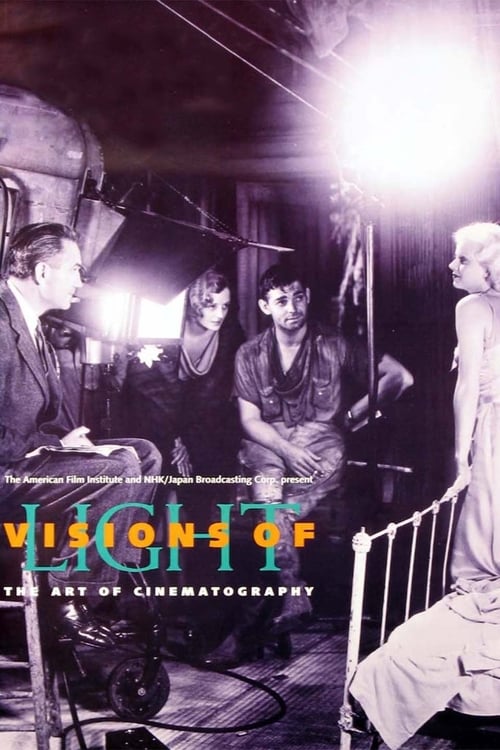
Cameramen and women discuss the craft and art of cinematography and of the "DP" (the director of photography), illustrating their points with clips from 100 films, from Birth of a Nation to Do the Right Thing. Themes: the DP tells people where to look; changes in movies (the arrival of sound, color, and wide screens) required creative responses from DPs; and, these artisans constantly invent new equipment and try new things, with wonderful results. The narration takes us through the identifiable studio styles of the 30s, the emergence of noir, the New York look, and the impact of Europeans. Citizen Kane, The Conformist, and Gordon Willis get special attention.