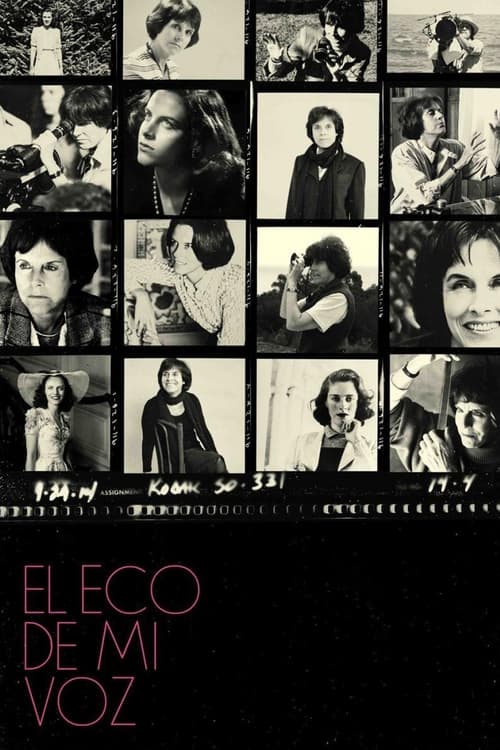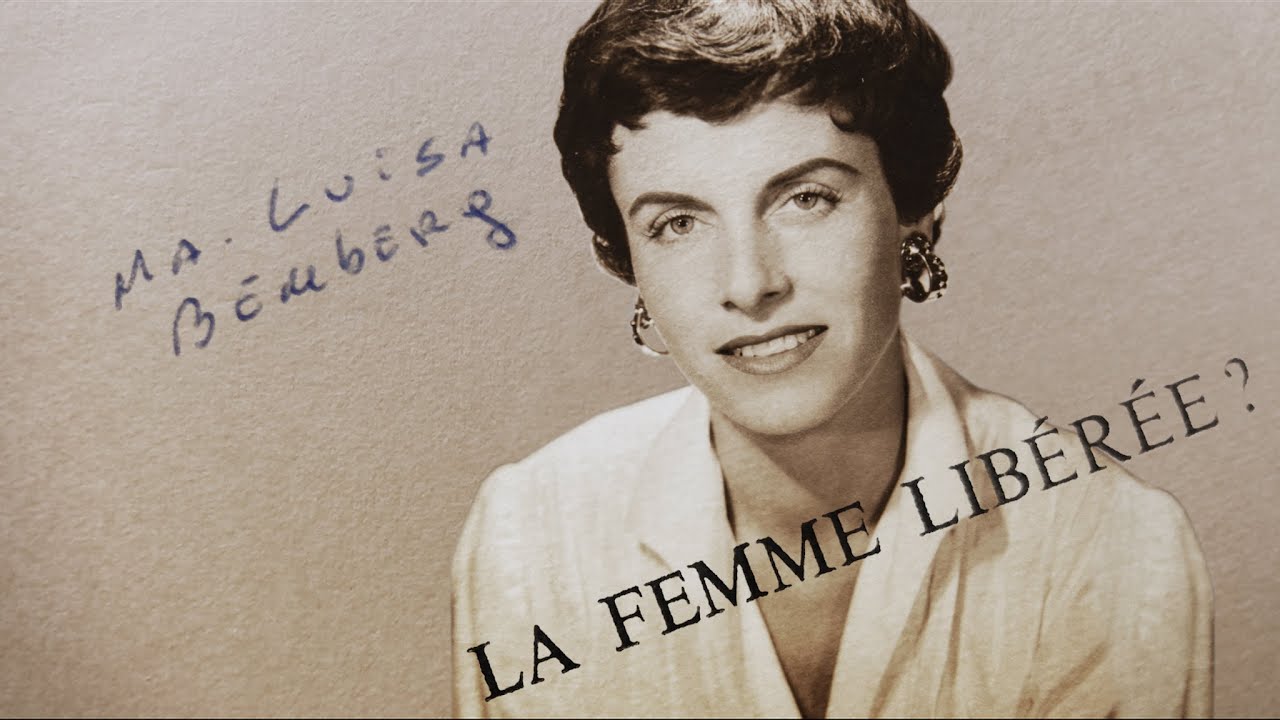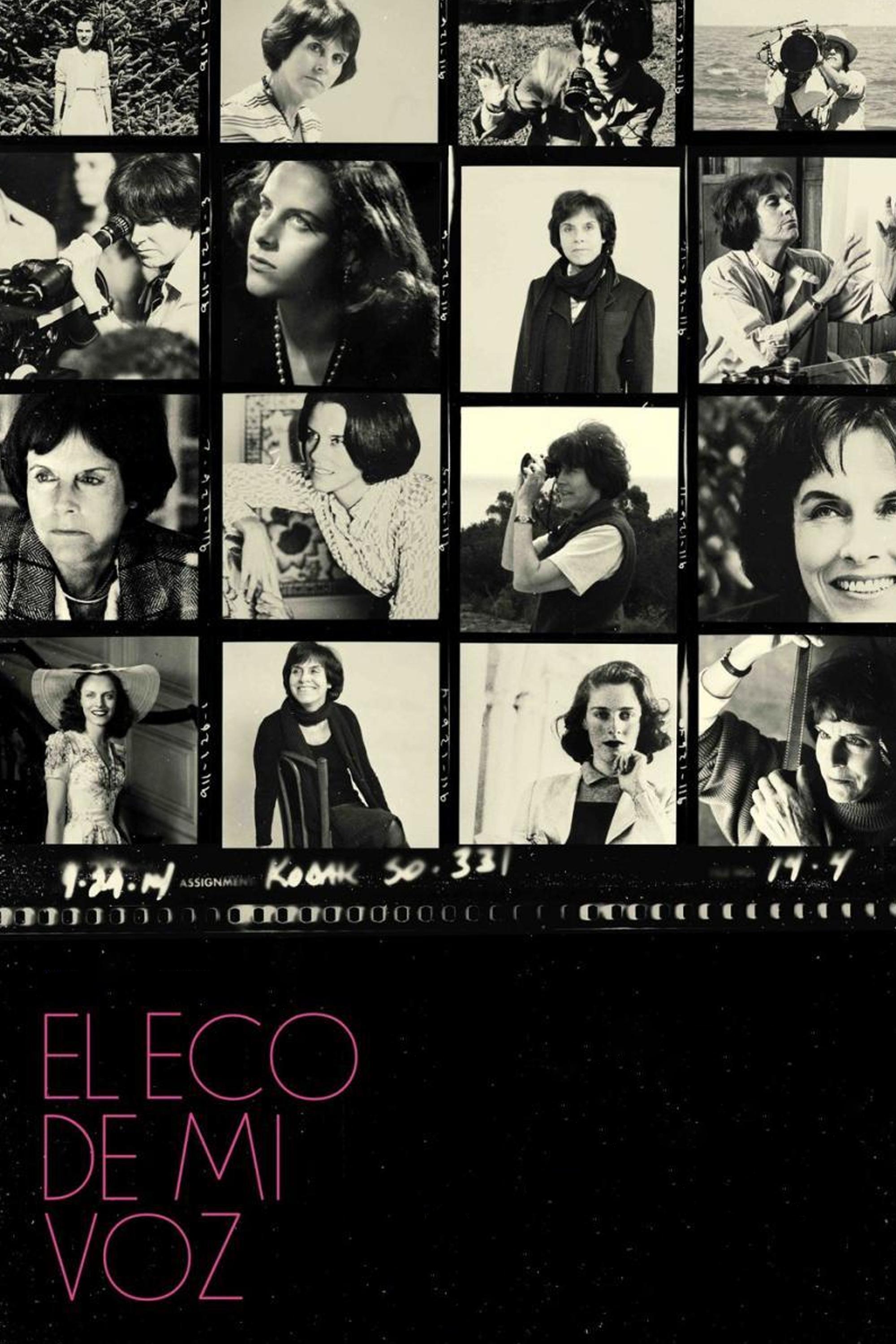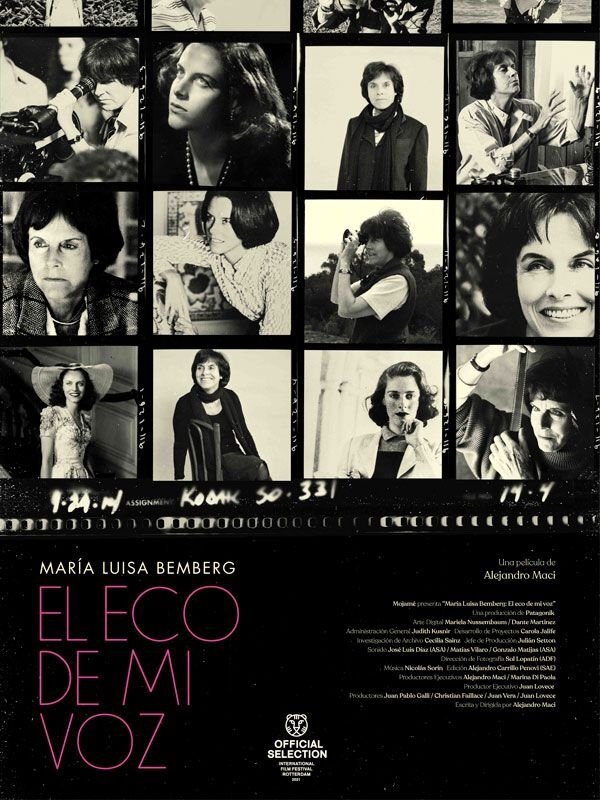
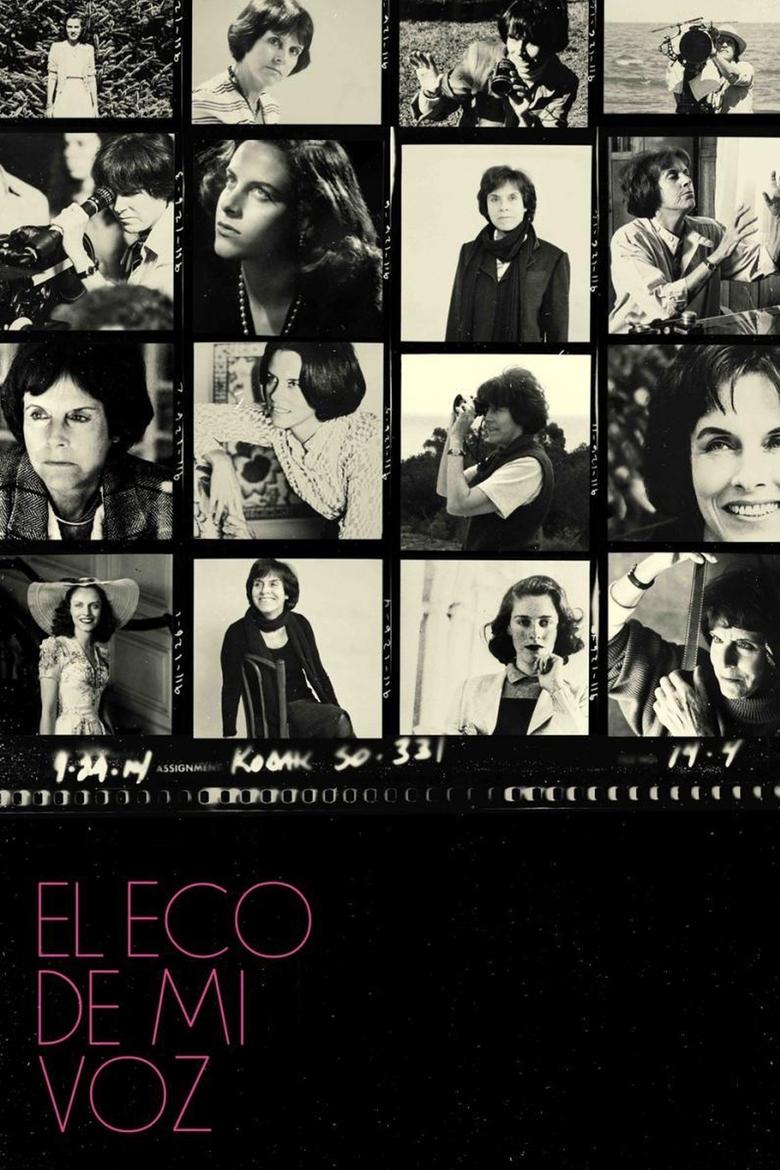
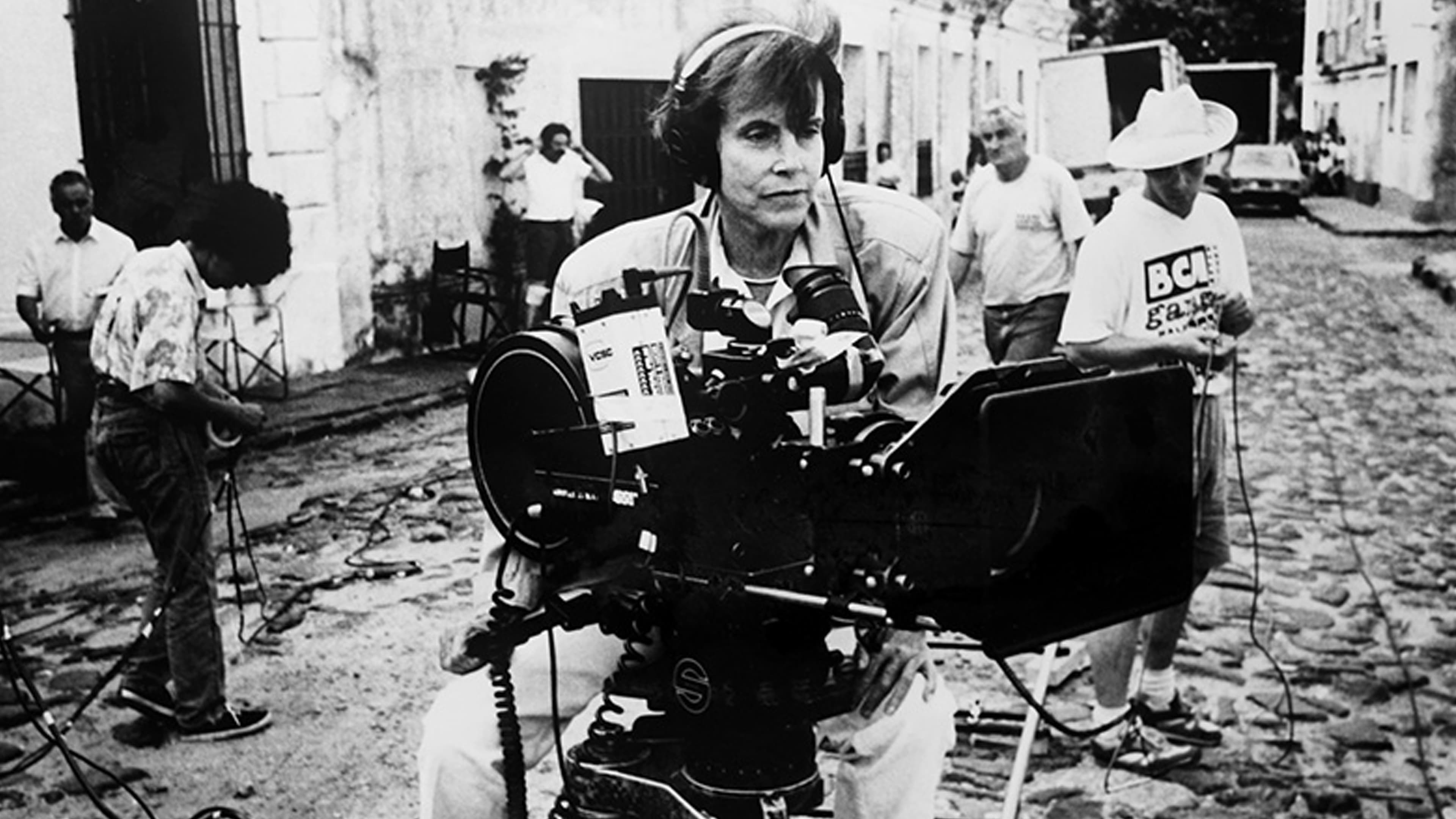
María Luisa Bemberg was born into the highest echelons of Argentina’s society. Her family founded Quilmes, the nation’s biggest brewery, which expanded into a multinational. Bemberg, home-schooled by the best teachers and tutors, grew up in a social bubble. And she never made a secret of this, in as far as many of her films are set in the upper classes of different eras and narrate the politics of their respective periods through the prism of female opportunity, or the lack thereof – what could a woman do, behaviour in extramarital affairs included? Class, more often than not, was a trap, even if it might offer opportunities that many are denied. With María Luisa Bemberg: El eco de mi voz, Alejandro Maci paints a detailed and multifaceted picture of Argentina’s greatest female filmmaker, in which family and colleagues get their say as much as Bemberg herself, thanks to myriads of private and public recordings.
Director
Status
Released
Original Language
ES
A compilation of over 30 years of private home movie footage shot by Lithuanian-American avant-garde director Jonas Mekas, assembled by Mekas "purely by chance", without concern for chronological order.