
User Score
3 votes
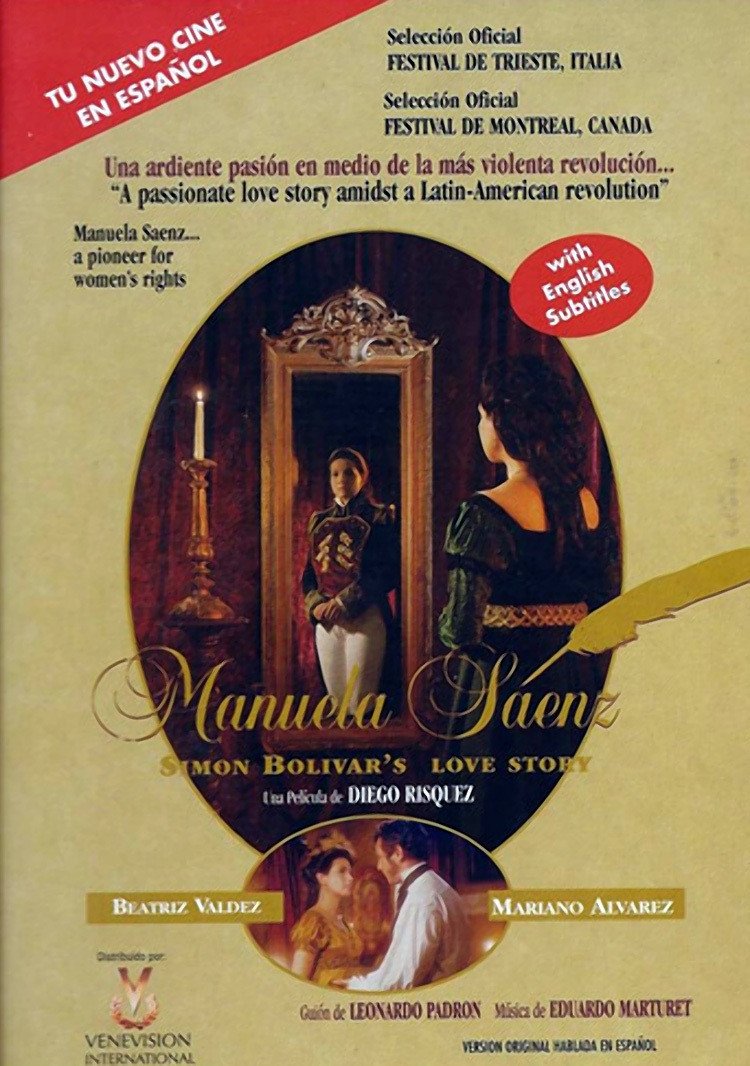
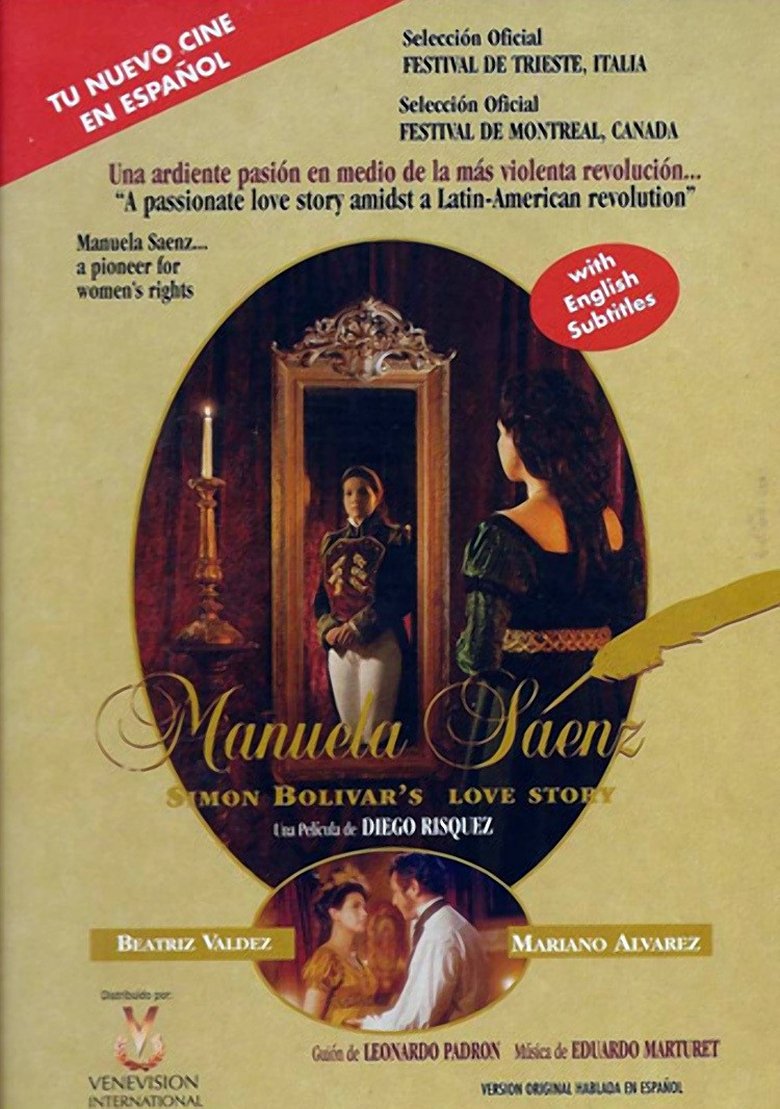
In 1856, a whaler arrives in Paita, Peru; on board is Herman Melville, who is astonished to learn that Manuela Sáenz, for eight years the lover of Simón Bolívar, is still alive. He calls on her, and although she will not talk to him about her life, his visit sends her to her chest of Bolívar's letters. As she reads them, the sepia-toned present gives way to flashbacks in color: she meets 'the Liberator' in 1822, becomes his lover, and also becomes a colonel in his military movement to realize the 'Gran Colombia', one nation across South America. As plague (brought by the ship) closes in on Manuela's household, so does her tempestuous story move toward Bolívar's betrayal and death.
Director
Writer
Status
Released
Original Language
ES
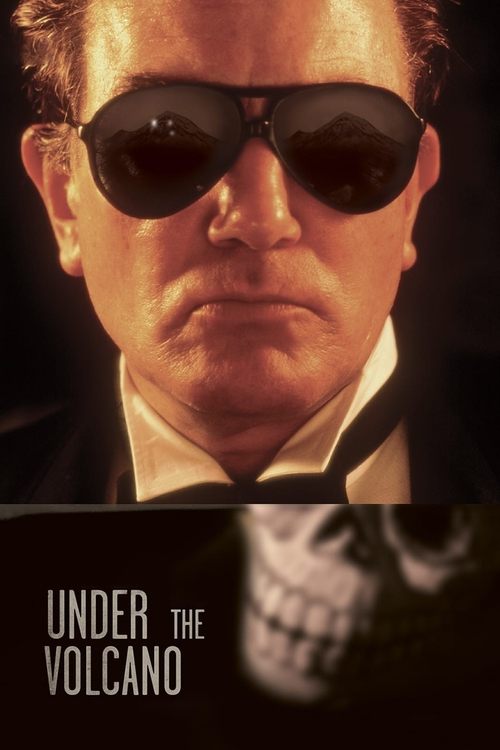
Against a background of war breaking out in Europe and the Mexican fiesta Day of Death, we are taken through one day in the life of Geoffrey Firmin, a British consul living in alcoholic disrepair and obscurity in a small southern Mexican town in 1939. The consul's self-destructive behaviour, perhaps a metaphor for a menaced civilization, is a source of perplexity and sadness to his nomadic, idealistic half-brother, Hugh, and his ex-wife, Yvonne, who has returned with hopes of healing Geoffrey and their broken marriage.