

User Score
1 votes
A nunnery or love? Love or money? Money or death? – On her way to the monastery, the young Manon is wooed by men. When Chevalier Des Grieux turns up, they fall in love and decide to escape. They live in Paris, money is scarce, family honour injured. And so Manon agrees to have Des Grieux abducted at his father's command, and begins a new life with a rich man. While she lives in the lap of luxury, in his pain Des Grieux decides to take holy orders. Manon learns of this and is able to change his mind. Again they live together: their love is enormous, money is scarce, and luxury and the casino beckon. Accused of cheating at cards, they are arrested; Des Grieux is released, but Manon is sentenced to a women's prison. Money is supposed to save her, but already she is too weak ... Recording of the premiere on January 24, 2021 from the State Opera Hamburg.
Director
Status
Released
Original Language
FR
Guillot-Morfontaine
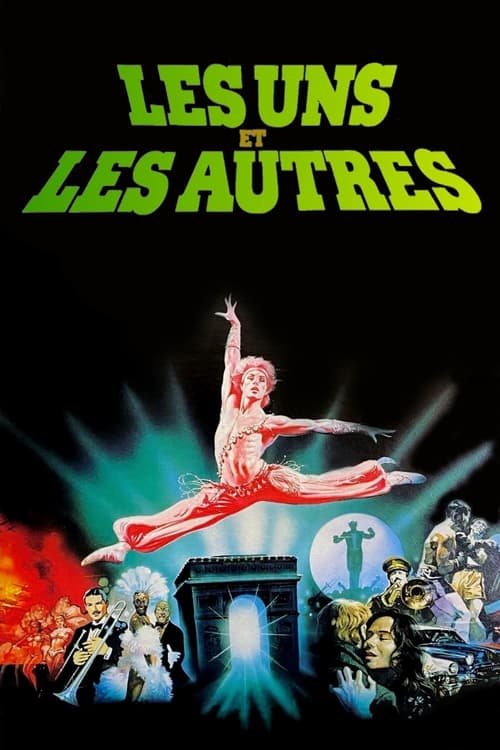
The film follows four families, with different nationalities (French, German, Russian and American) but with the same passion for music, from the 1930s to the 1960s. The various story lines cross each other time and again in different places and times, with their own theme scores that evolve as time passes. The main event in the film is the Second World War, which throws the stories of the four musical families together and mixes their fates. Although all characters are fictional, many of them are loosely based on historical musical icons (Édith Piaf, Josephine Baker, Herbert von Karajan, Glenn Miller, Rudolf Nureyev, etc.) The Boléro dance sequence at the end brings all the threads together.