User Score
0 votes
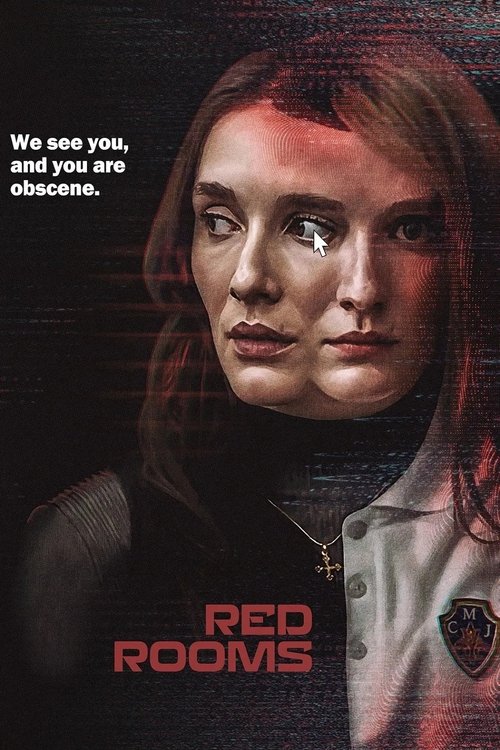
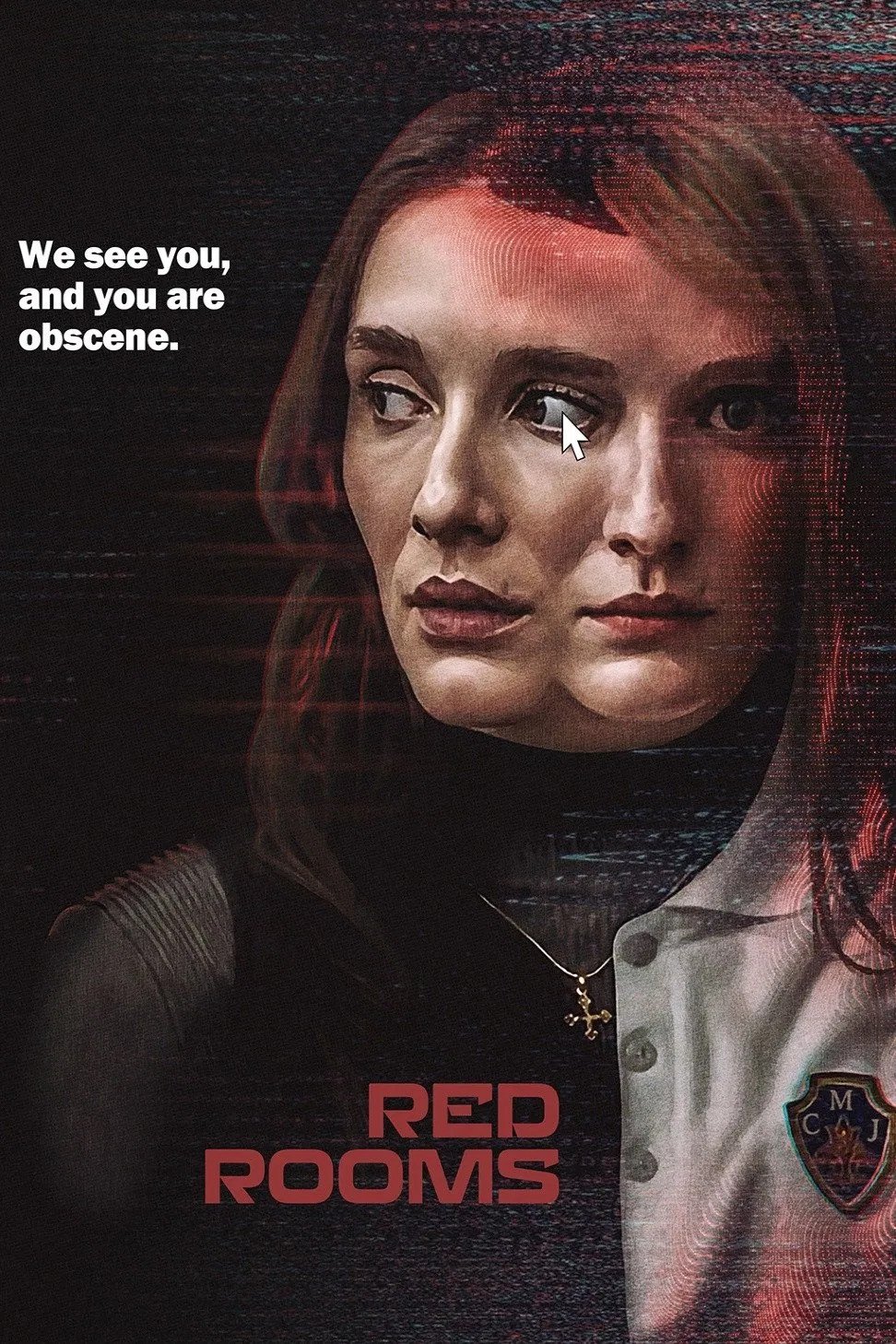
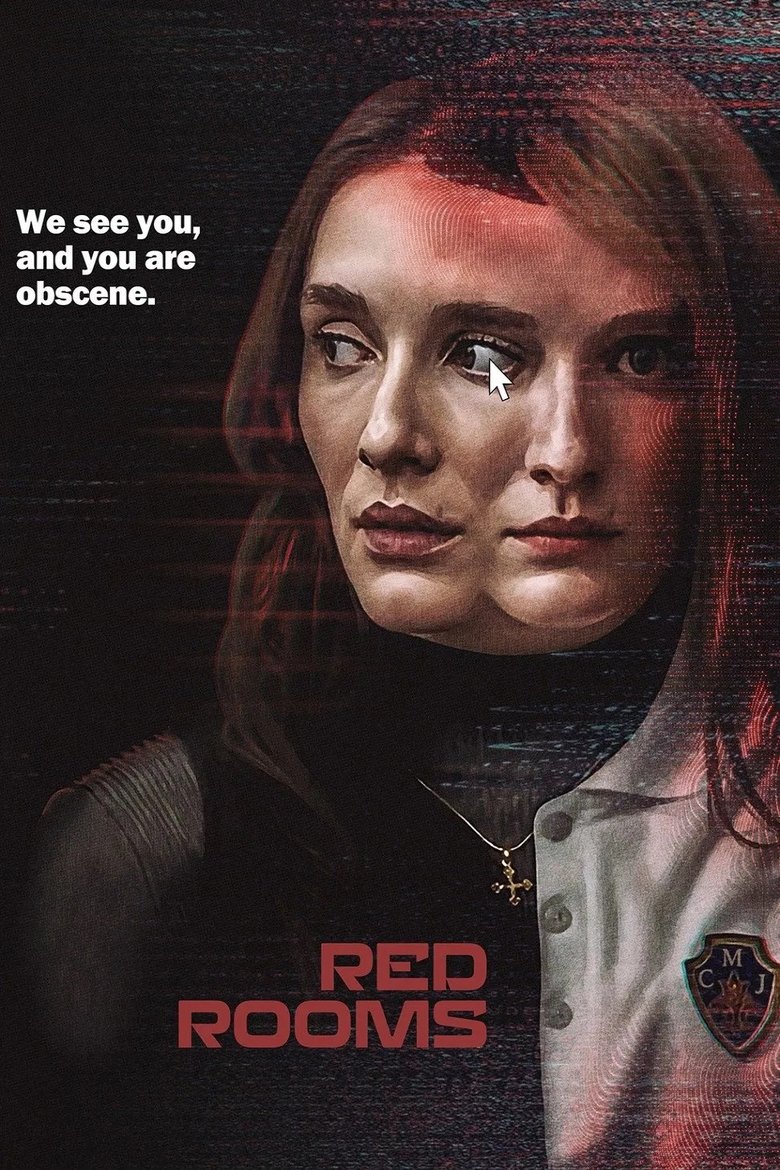
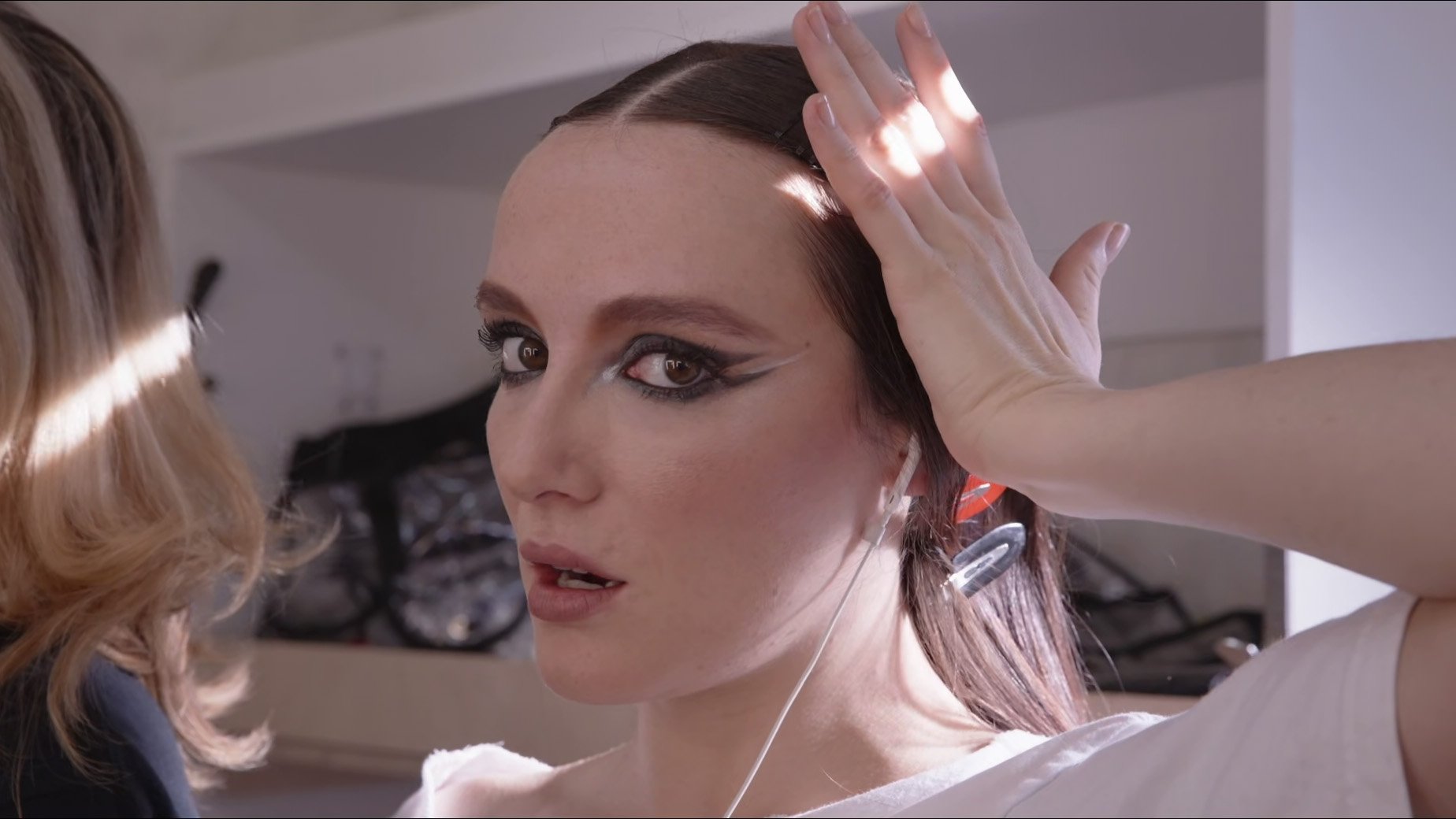
Documentary about the making of Pascal Plante's film “Red Rooms” (2023).
Director
Status
Released
Original Language
FR
Self
In this compelling documentary, members of the Thai youth soccer team tell their stories of getting trapped in Tham Luang Cave in 2018 — and surviving.
A woman seeking treatment for her stress, suddenly finds herself unable to filter herself when she speaks.
1981, Quiberon, a small village on the coast of Brittany, France. Hilde Fritsch arrives to visit her old friend who has retreated to a spa hotel to escape the daily pressures of her life. Her friend is world-famous star Romy Schneider, but together, they appear like two regular women who are just happy to be reunited. Yet it quickly becomes apparent that Hilde is supposed to offer the support the sensitive actress needs to be able to truly face her own demons.
Three months after surviving a terrorist attack in a bistro, Mia is still traumatized and unable to recall the events of that night. In an effort to move forward, she investigates her memories and retraces her steps.
As Islamic morality squads stage arbitrary raids in Tehran and as fundamentalists seize hold of the universities, Azar Nafisi, an inspired teacher, secretly gathers six of her most committed female students to read forbidden western classics. Unaccustomed to being asked to speak their minds, they soon removed their veils, their stories intertwining with the novels they read: just like the heroines of Nabokov, F. Scott Fitzgerald, Henry James or Jane Austen, the women in Nafisi’s living room dare to dream, hope and love as we experience the complexity of the lives of individuals facing political, moral and personal siege.
Paz, a kind woman, has allowed everyone around her to treat her as if she were worth nothing, keeping silent so as not to hurt feelings. Until one day, in her head, a phenomenon forces her to express what she feels.
When Tsanko Petrov, a railroad worker, finds millions of lev on the train tracks, he decides to turn the entire amount over to the police. Grateful, the state rewards him with a new wristwatch… which soon stops working. Meanwhile, Julia Staikova, the head of PR for the Ministry of Transport, loses his old watch. Here starts Petrov’s desperate struggle to get back not only his old watch, but his dignity.
They loved each other with the ardor of thirteen-year-old boys. Rebellion and curiosity, hopes and doubts, girls and dreams of glory – they shared it all. Paul was rich, Emile poor. They went skinny-dipping, drank absinthe, starved, only to overeat. Sketched models by day, caressed them by night... Now, Paul is a painter and Emile a writer. Glory has passed Paul by. But Emile has it all: fame, money, the perfect wife, whom Paul once loved. They judge each other, admire each other, confront each other. They lose touch, meet up again, like a couple who cannot stop loving each other.
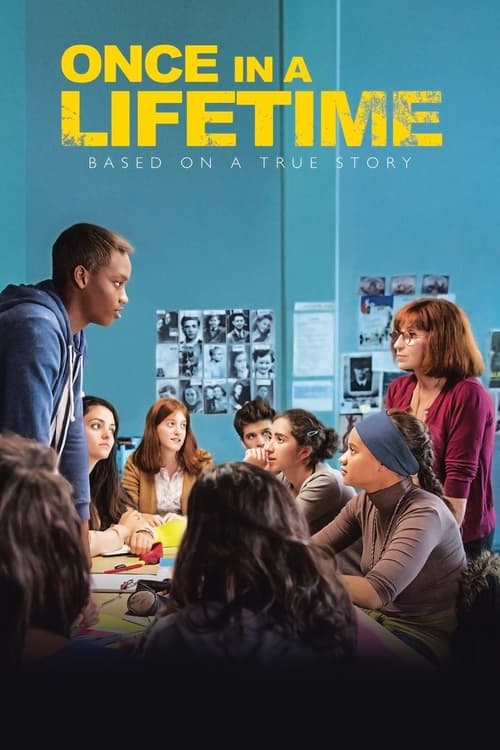
At Léon Blum High School in Créteil, France, a history teacher decides to have her weakest 10th grade class participate in a national history competition.
Rubens is a carefree, charismatic swimming instructor who finds himself accused of displaying inappropriate affection toward one of his students by the boy's mother. Other parents and colleagues are only too eager to condemn him.
Mélanie, 16 years old, lives with her mother. She likes going to school, her friends, playing the cello, and she wants to change the world. But when she meets a boy on the Internet and falls in love with him, her world changes as she is gradually recruited by Daesh. Sonia is 17 years old, and she almost did something irrevocable to “guarantee” her family a place in paradise. These teenage girls might be called Anaïs, Manon or Leila, and one day they all might go some way down the recruitment process. But can they ever come back from it?
When Allied forces liberated the Nazi concentration camps in 1944-45, their terrible discoveries were recorded by army and newsreel cameramen, revealing for the first time the full horror of what had happened. Making use of British, Soviet and American footage, the Ministry of Information’s Sidney Bernstein (later founder of Granada Television) aimed to create a documentary that would provide lasting, undeniable evidence of the Nazis’ unspeakable crimes. He commissioned a wealth of British talent, including editor Stewart McAllister, writer and future cabinet minister Richard Crossman – and, as treatment advisor, his friend Alfred Hitchcock. Yet, despite initial support from the British and US Governments, the film was shelved, and only now, 70 years on, has it been restored and completed by Imperial War Museums under its original title "German Concentration Camps Factual Survey".