
User Score
8 votes
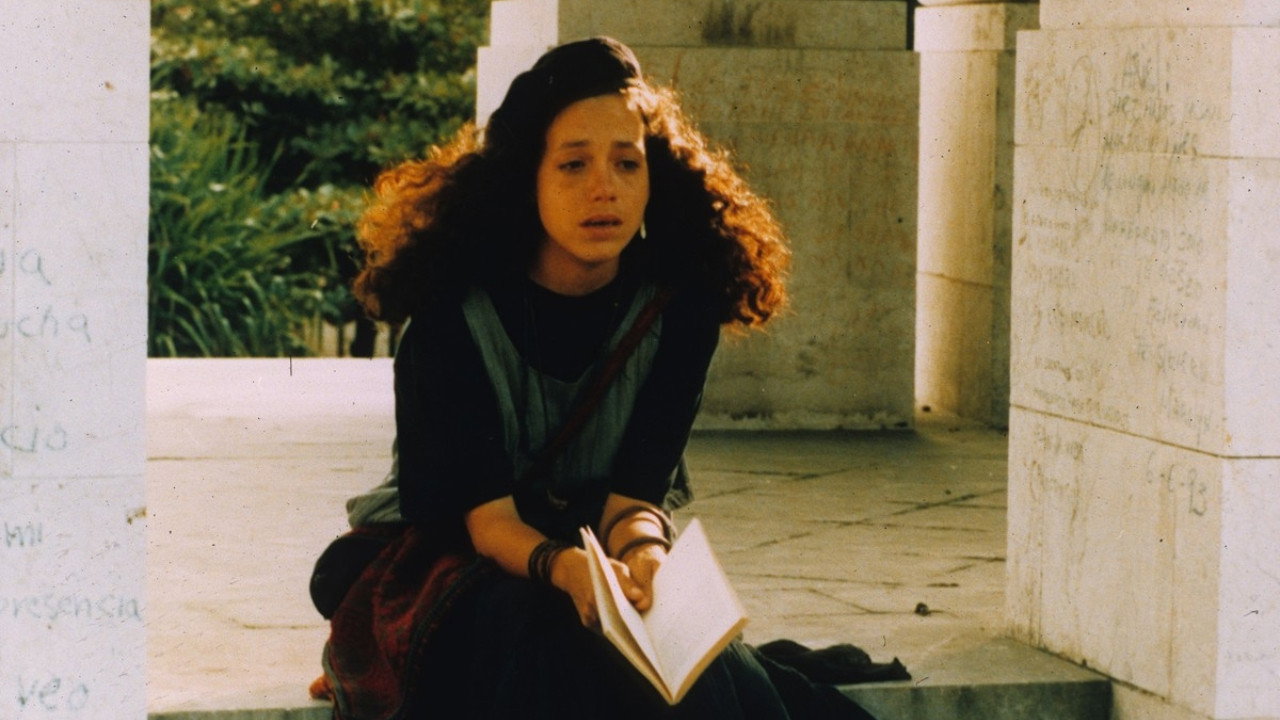
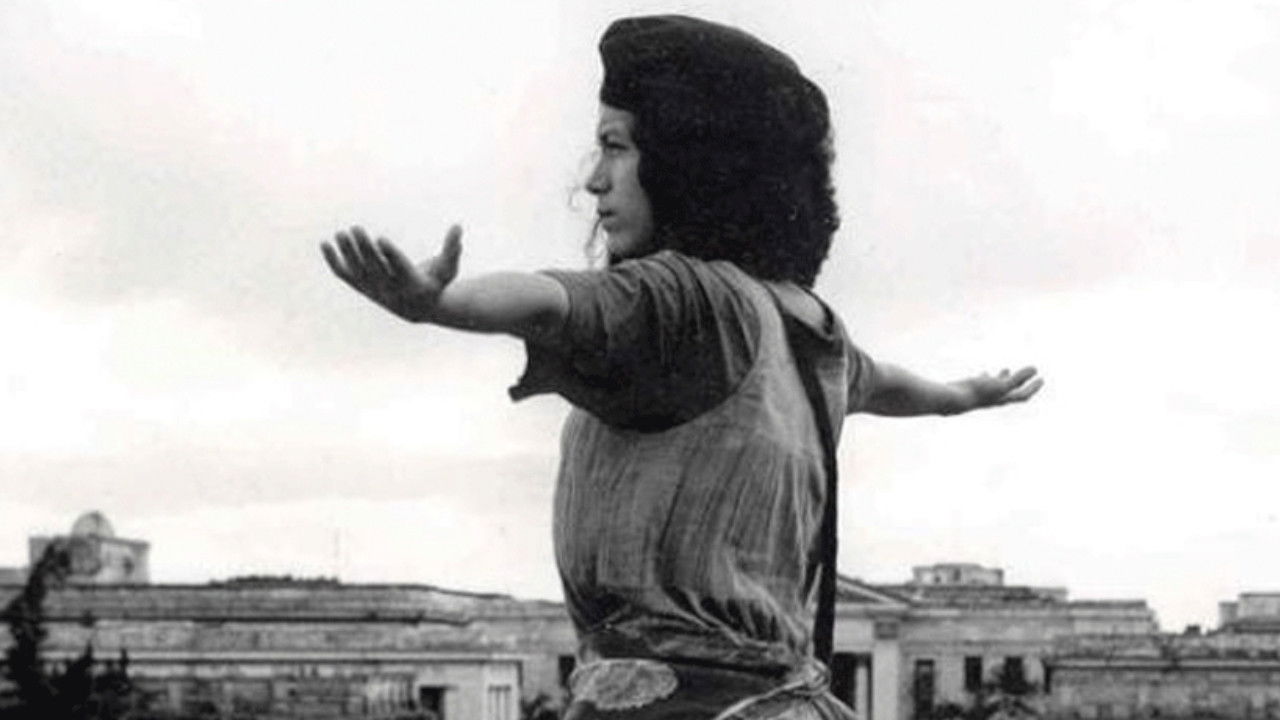
The 50-minute "Madagascar" has the resonance and eloquence of the best poetry, as it deftly turns an adolescent's search for identity into a metaphor for socialist Cuba. Laura is a professor at a shabby, stultifying college. Her daughter, Laurita, stops going to school, wishes to move to Madagascar and quickly races through several phases. One day, she looks like a heavy-metal fan, another like a bohemian who weeps at poetry and art. Slowly, she crosses the line from ordinary adolescent confusion to intense neurosis and beyond, finally becoming so obsessed with religion and good works that she brings 10 homeless children into the cramped house she shares with her mother and grandmother.
Status
Released
Original Language
ES
Alberto
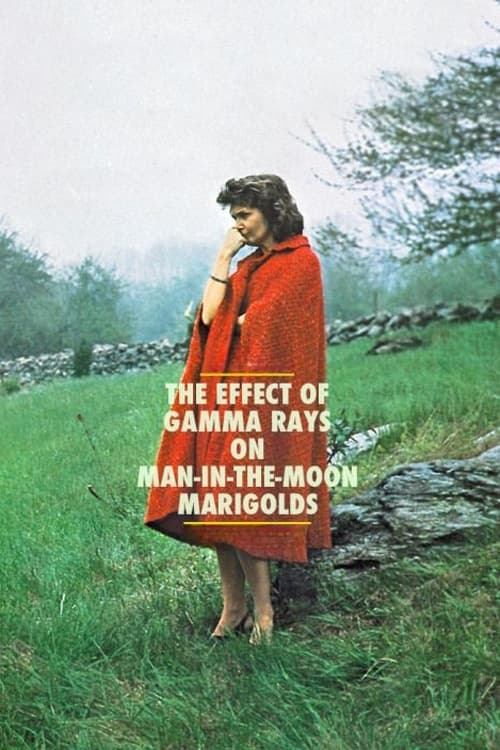
Middle-aged widow Beatrice Hunsdorfer and her daughters Ruth and Matilda are struggling to survive in a society they barely understand. Beatrice dreams of opening an elegant tea room but does not have the wherewithal to achieve her lofty goal. Epileptic Ruth is a rebellious adolescent, while shy but highly intelligent and idealistic Matilda seeks solace in her pets and school projects, including one designed to show how small amounts of radium affect marigolds.