
User Score
0 votes
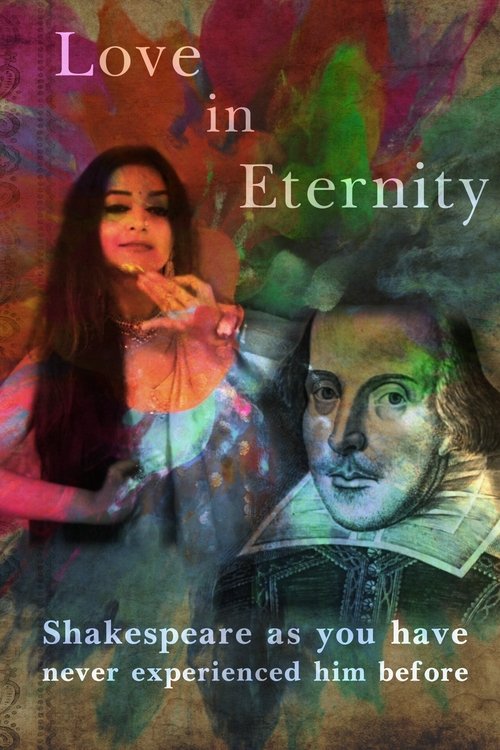
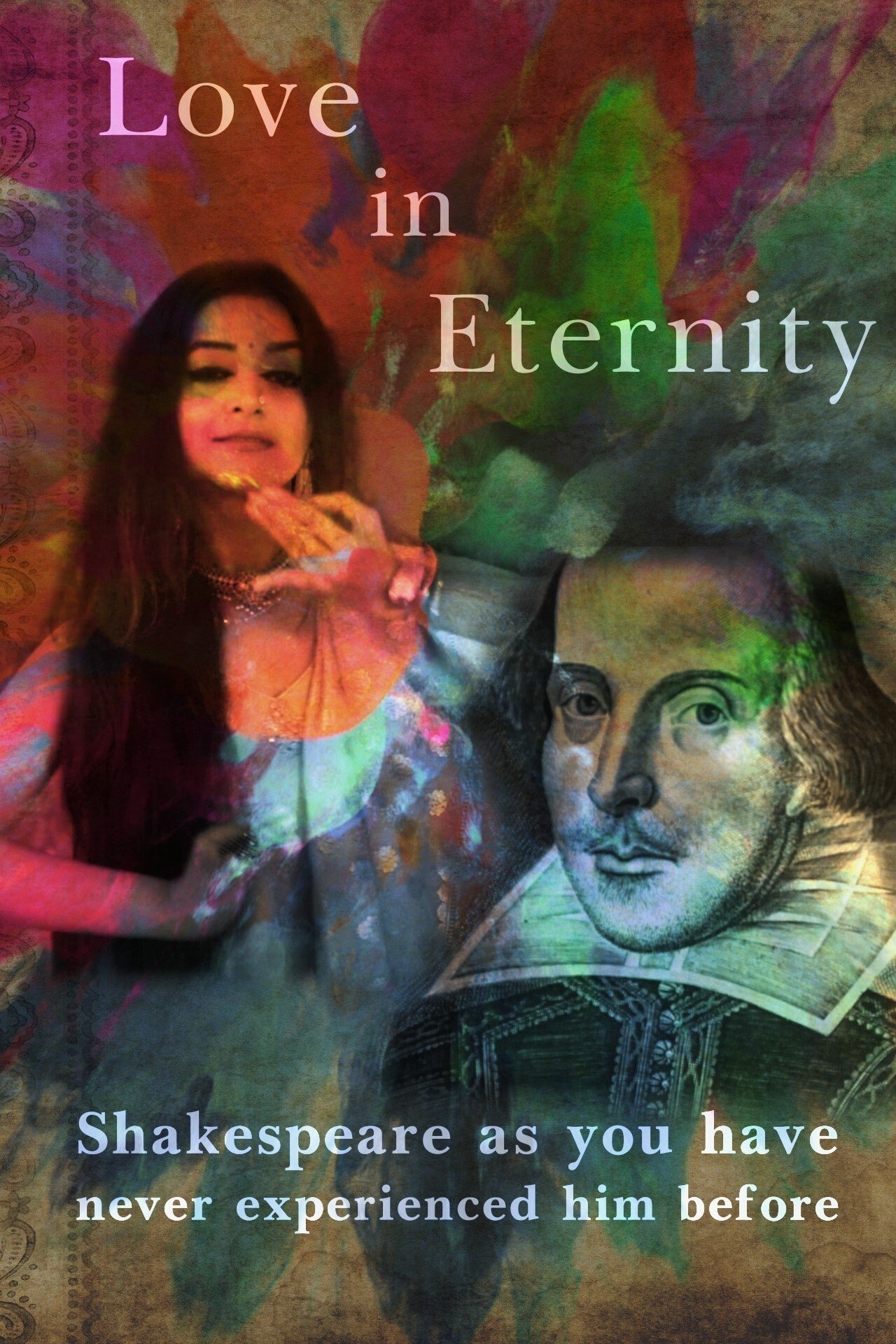
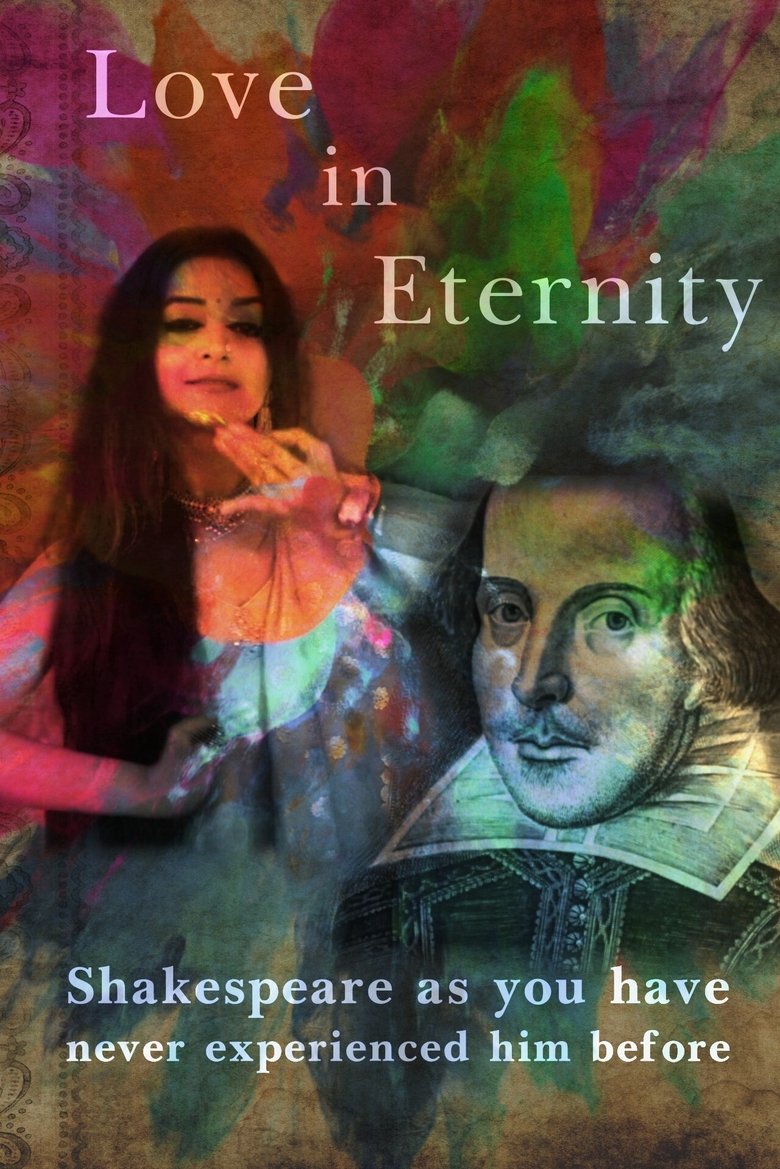
The film uses both music and dance forms alongside Shakespeare's sublime poetry to explore and express key themes centered on the nature of Love itself - its anguish, its glorious manifestations, its endless paradoxes, its transcendent essence. The full spectrum of love's possibilities is encompassed from the darkest side of lust and carnality right through to its most sublime and divine expression. The sonnets are intermixed with brief scenes from Shakespeare's plays thematically intertwined. There is an eclectic mix of music and song from classical Indian genre to Mozart's sonatas, modern film music, the mystical strains of Gurdjieff's piano music, Sanskrit Vedic hymns and more. Classical Indian dancer Arunima Kumar adds a further dimension in magnifying and illuminating the full range of emotions which the sonnets and play extracts embody. O learn to read what silent love hath writ To hear with eyes belongs to love's fine wit.
Director
Writer
Status
Released
Original Language
EN
Dancer
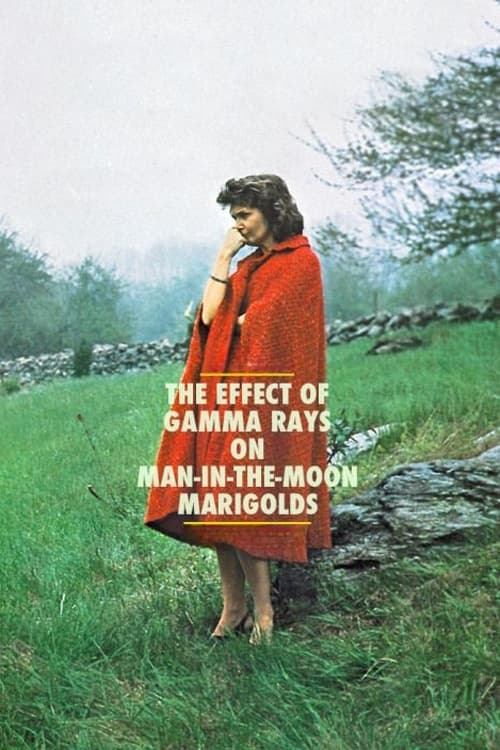
Middle-aged widow Beatrice Hunsdorfer and her daughters Ruth and Matilda are struggling to survive in a society they barely understand. Beatrice dreams of opening an elegant tea room but does not have the wherewithal to achieve her lofty goal. Epileptic Ruth is a rebellious adolescent, while shy but highly intelligent and idealistic Matilda seeks solace in her pets and school projects, including one designed to show how small amounts of radium affect marigolds.