

User Score
1 votes
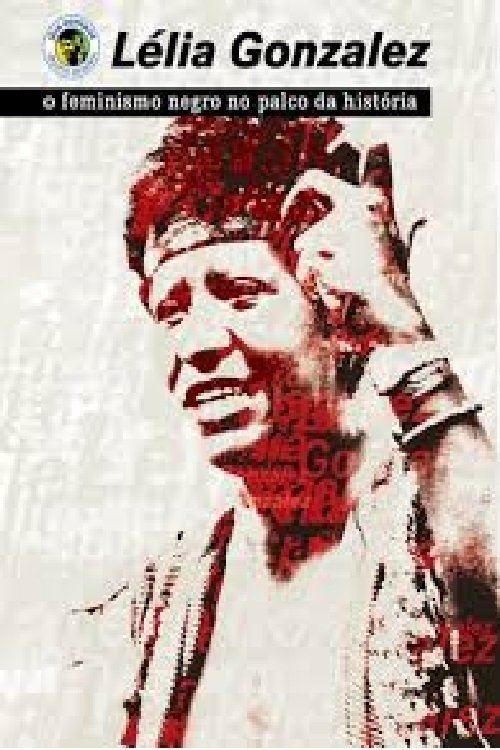
Lélia was a pioneer in publicly denouncing the situation of black women in Brazilian society. In the 1980s, with the publication of an article in the book O lugar da mulher, she proposed a reinterpretation of the figure of the Black Mother. With new perspectives of analysis, she sought in her performance to reinterpret and reconstruct the history of Brazil from the perspective of black women. In the feminist movement, her contribution was the introduction of the racial issue in their political agendas. Until then, the specificities of black women were not considered. However, her important trajectory is unknown to a large portion of the Brazilian population. Since her death in 1994, scholars and activists have been fighting to rescue her memory and organize her thoughts.
Status
Released
Original Language
PT
The history of cinematic sound, told by legendary sound designers and visionary filmmakers.