User Score
9 votes
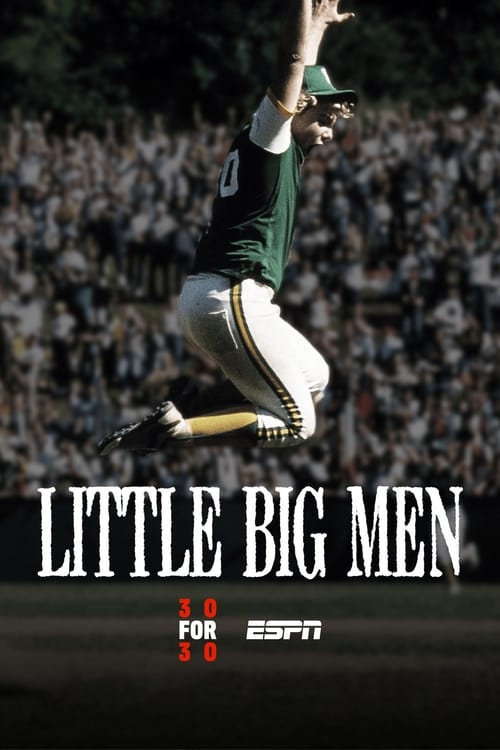
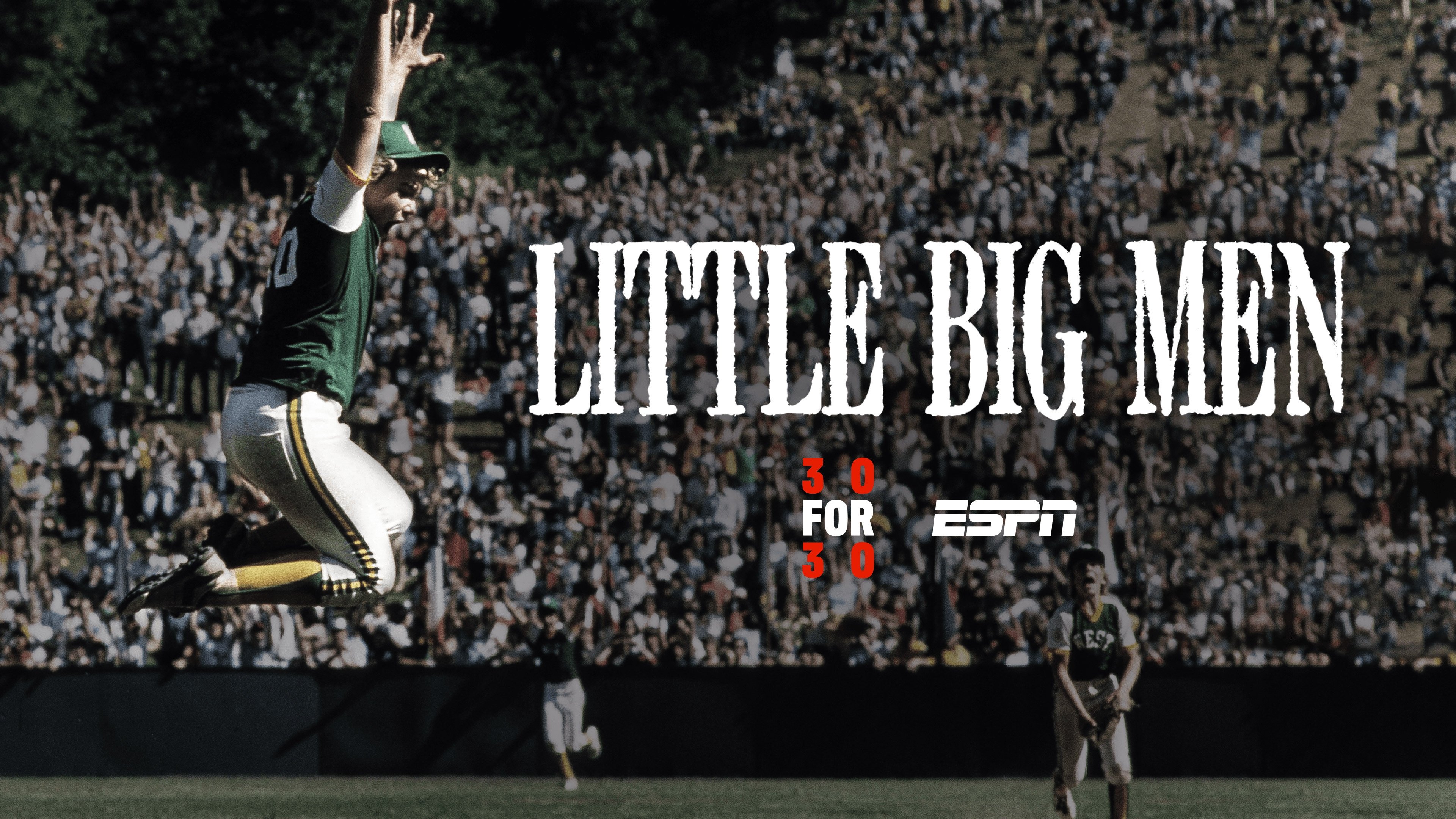
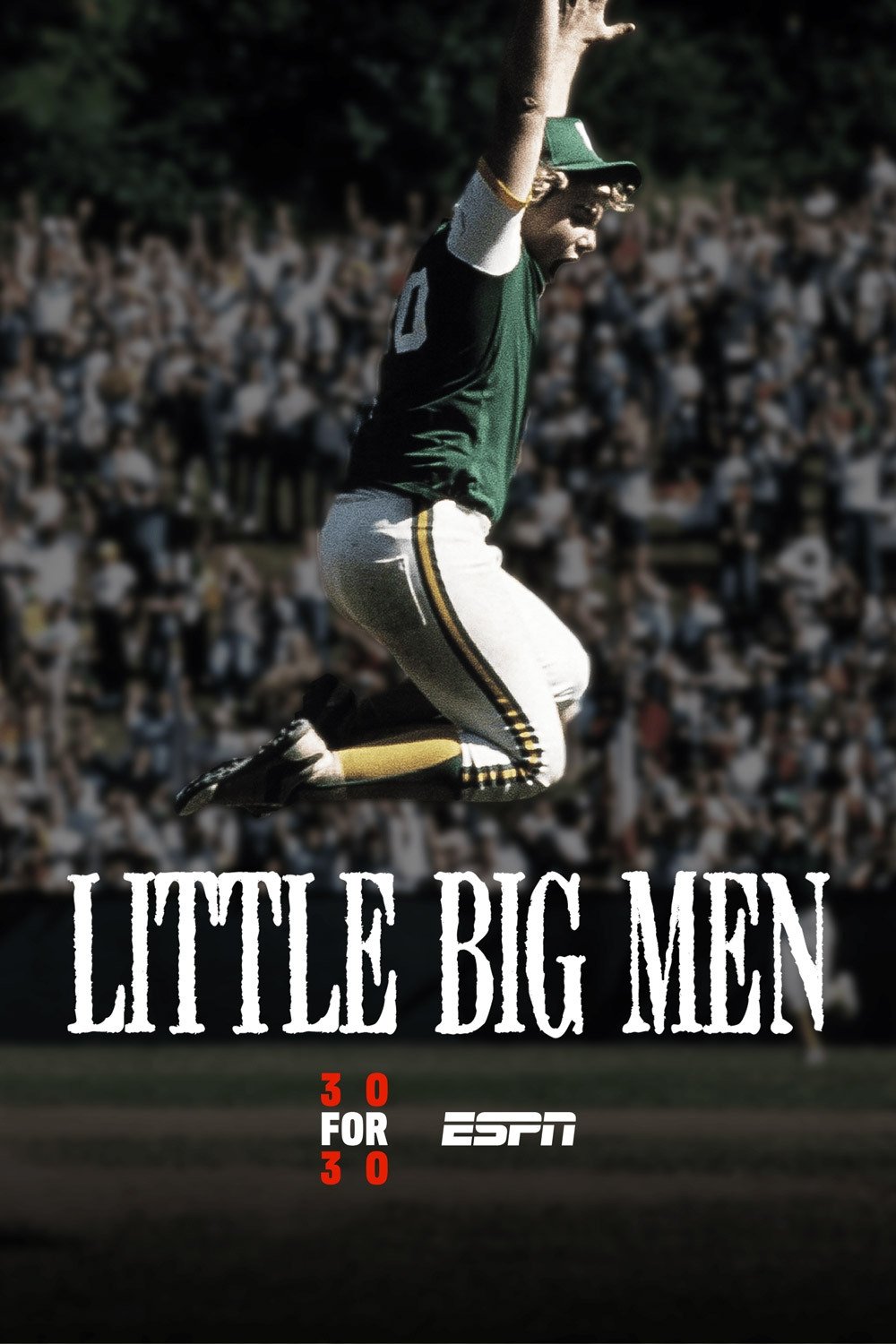
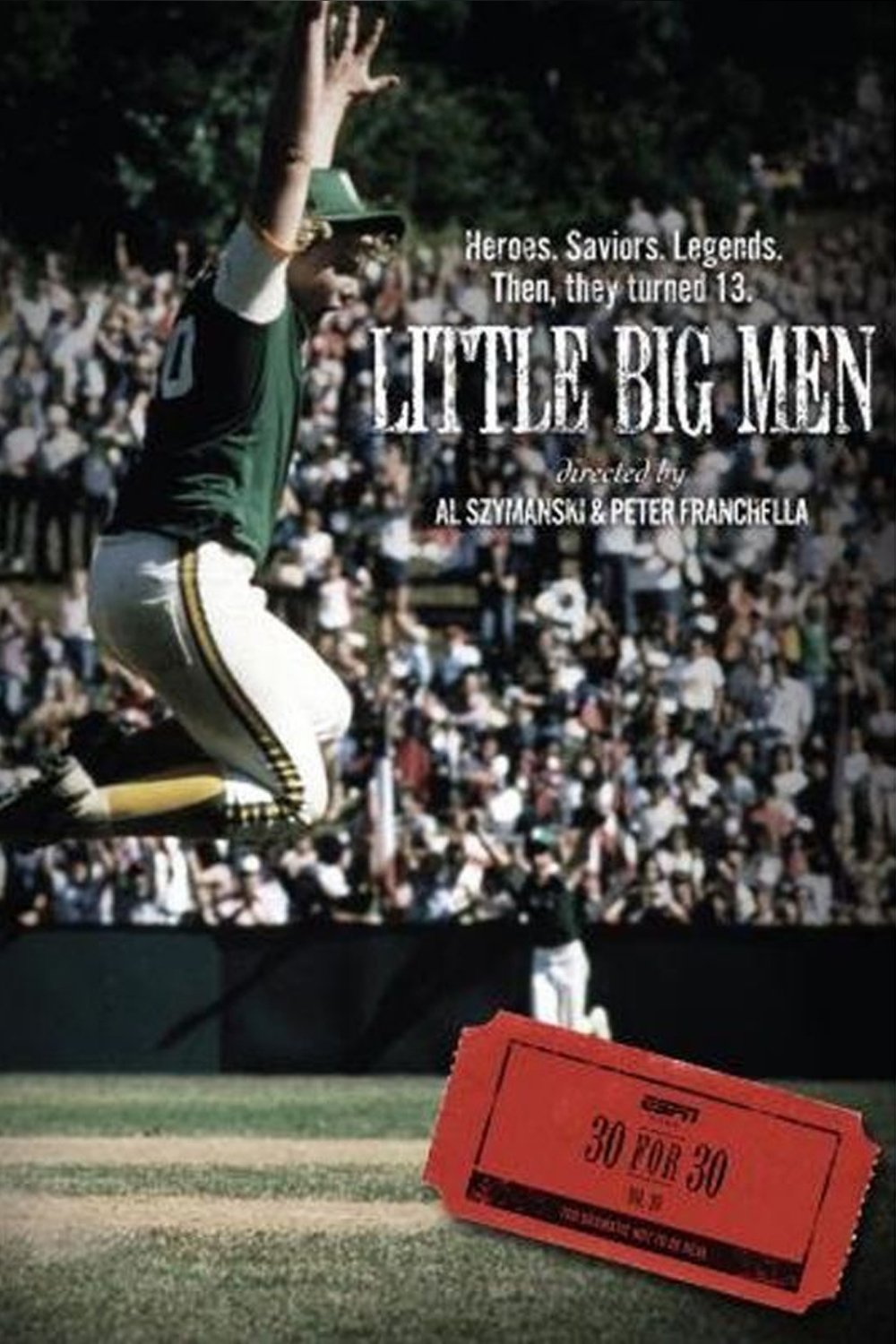
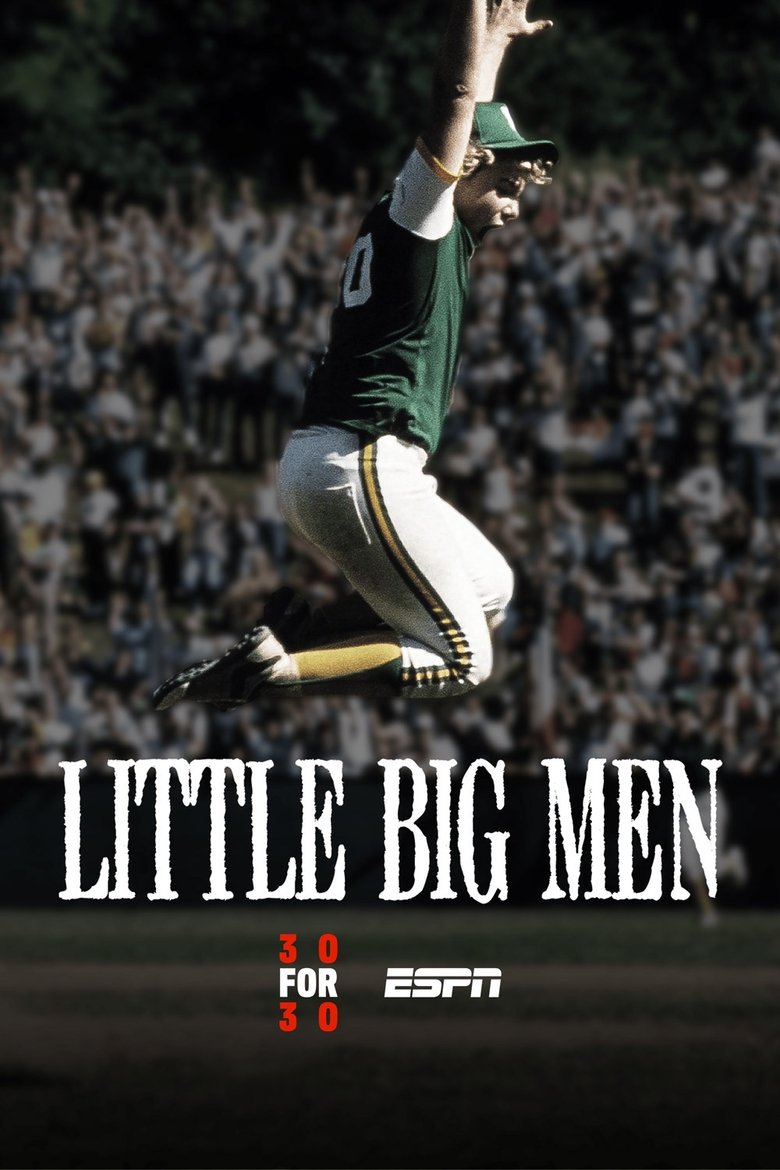
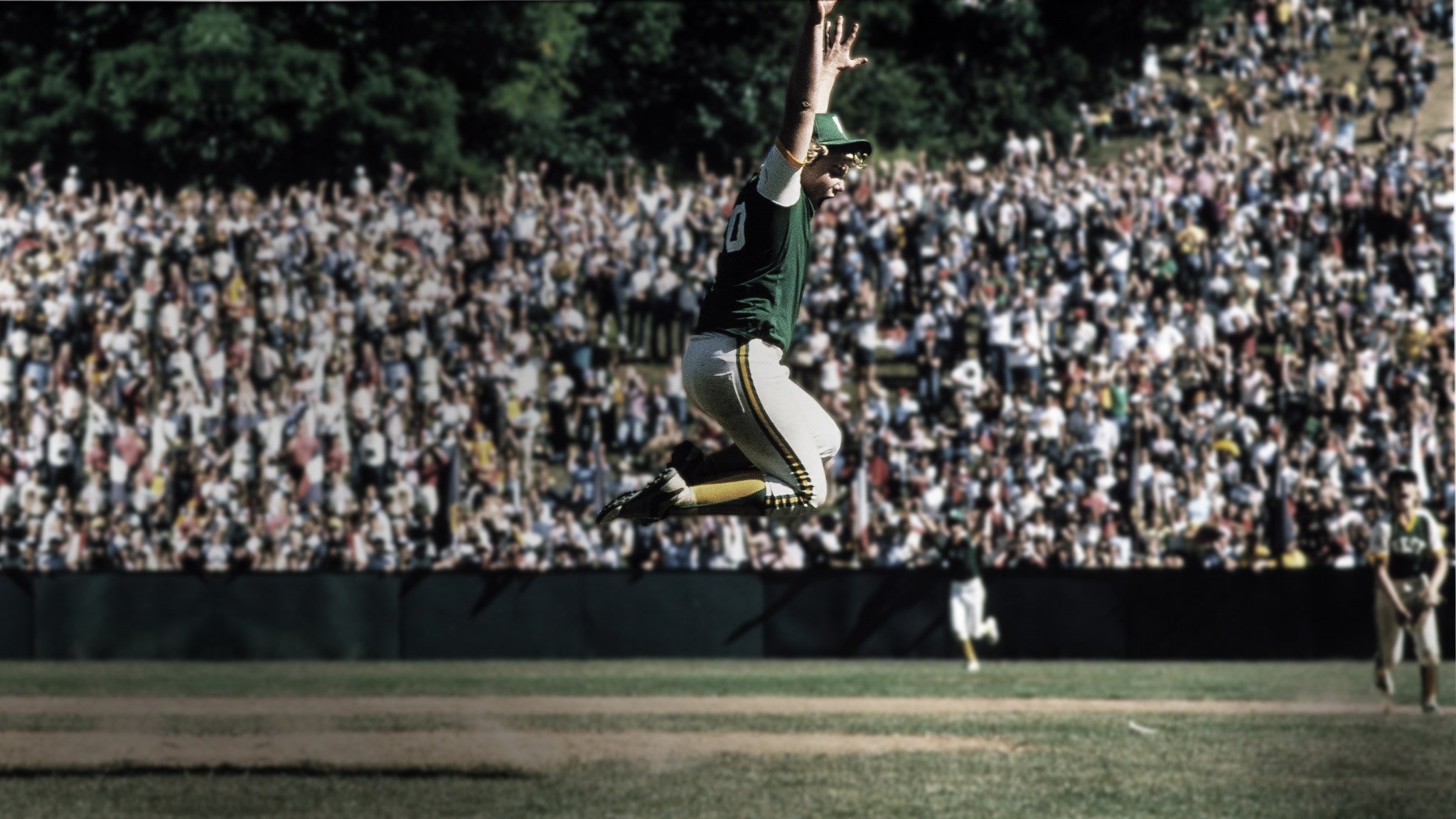
“Heroes. Saviors. Legends. Then, they turned 13”
In 1982, Cody Webster and a small group of friends from Kirkland, Washington, sat anxiously in a dugout waiting to take the field for the championship game of the Little League World Series. Their focus was just about what you’d expect from any 12-year-old: hit the ball, throw strikes, cross your fingers and then maybe – maybe – you’ll win. Adults in the stands and watching from home saw a much broader field of play. The memories of American hostages and a crippling oil crisis were still fresh; the economic malaise of the late 1970s still lingered; and the new President was recovering from an assassination attempt even while confronting new threats from the Soviet Union. Meanwhile, back on that tiny baseball field in Williamsport, Pennsylvania, no American team had won a true international Little League World Series Championship in more than a decade. When the Kirkland players rushed from their dugout that day, they stepped onto a much bigger field than the one they saw.
Director
Writer
Status
Released
Original Language
EN
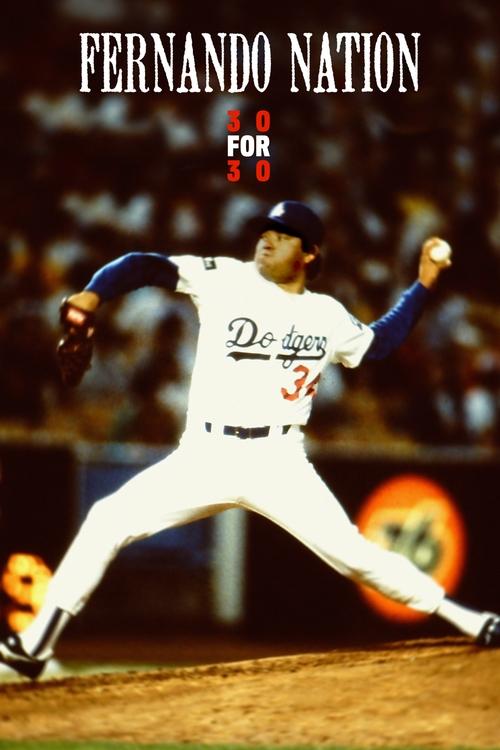
In Fernando Nation, Mexican-born and Los Angeles-raised director Cruz Angeles traces the history of a community that was torn apart when Dodger Stadium was built in Chavez Ravine and then revitalized by one of the most captivating pitching phenoms baseball has ever seen. Nicknamed “El Toro” by his fans, Fernando Valenzuela ignited a fire that spread from LA to New York—and beyond. He vaulted himself onto the prime time stage and proved with his signature look to the heavens and killer screwball that the American dream was not reserved for those born on U.S. soil. In this layered look at the myth and the man, Cruz Angeles recalls the euphoria around Fernando’s arrival and probes a phenomenon that transcended baseball for many Mexican-Americans. Fernando Valenzuela himself opens up to share his perspective on this very special time. Even 20 years later, “Fernandomania” lives.