

User Score
0 votes
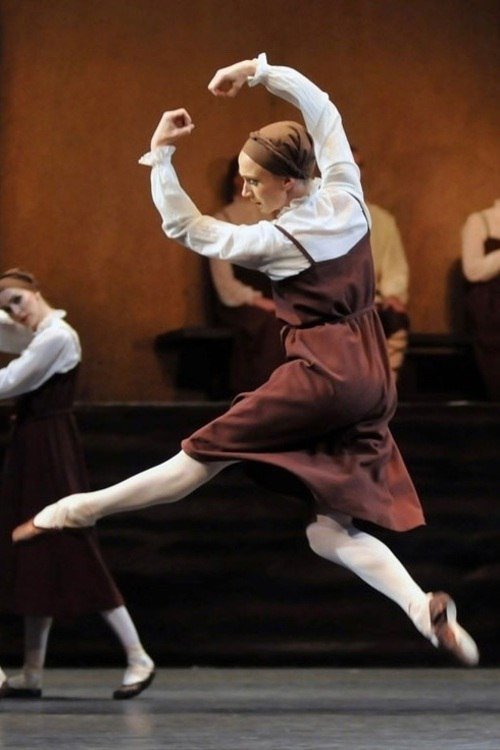
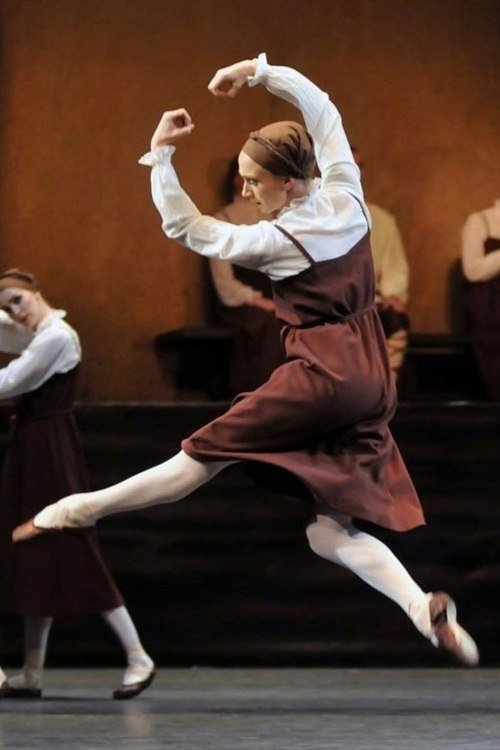
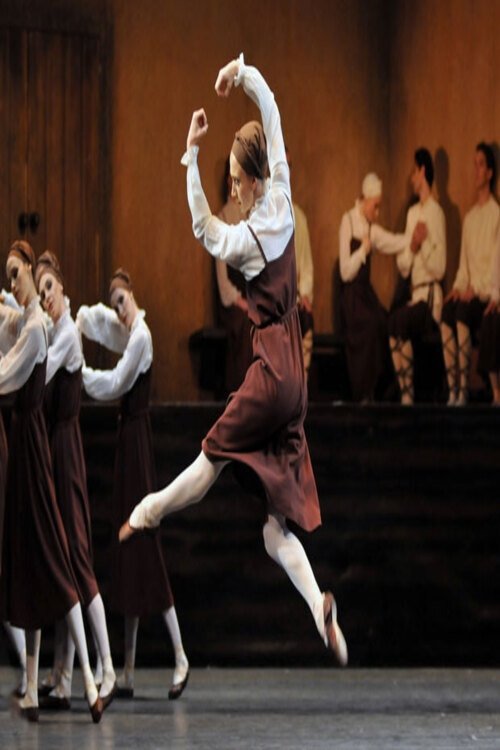
Les noces - one of Stravinsky's last works on Russian themes (first performed in 1923 with choreography by Bronislava Nijinskaya). Stravinsky's "The Wedding" is a vivid example of the "rhythmic" music characteristic of the work of the composers of the 1920s and 1930s. Rhythm in it is not only the primary organizing principle, but also the most important factor of musical language. It is characteristic that the composer here does not need either strings or wind instruments: the score of the Wedding, in addition to the voices, consists of percussion, which requires six performers at once, as well as four pianos, which are used here as a special kind of percussion.
Director
Status
Released
Original Language
EN
In a short musical film directed by Paul Thomas Anderson, Thom Yorke of Radiohead stars in a mind-bending visual piece. Best played loud.