

User Score
0 votes
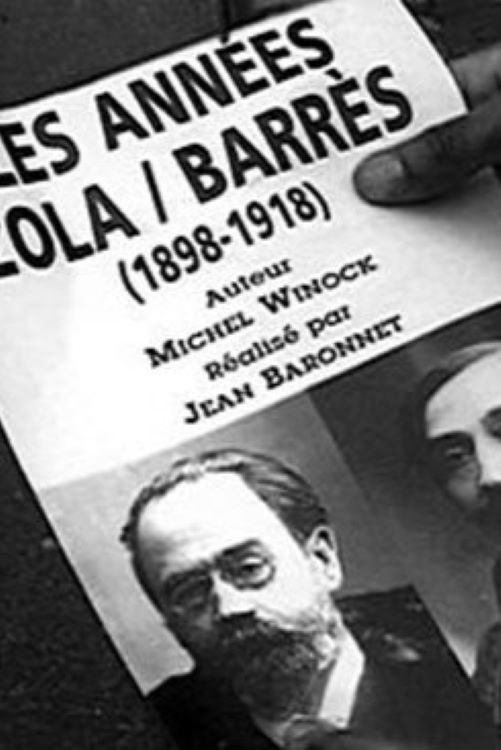
The unity of this period was provided by nationalism. Nationalism of the Dreyfus Affair (Barrès, Maurras, Drumont, Déroulède), the republican nationalism (Péguy), and the nationalism of the "Union sacrée" of the Great War. Pitted against these nationalisms was internationalist and pacifist socialism, which would itself adhere to the "Union sacrée "in 1914. This nationalist tendency also affected the young "Nouvelle Revue française" (Gide, Schlumberger, Copeau, Ghéon, Drouin), which defended the notion literature in its own right, but which itself was shot through with the spirit of the period. In counterpoint : Romain Rolland, author of "Au dessus de la mêlée". This first documentary of the series ends with the Russian Revolution.
Status
Released
Original Language
EN
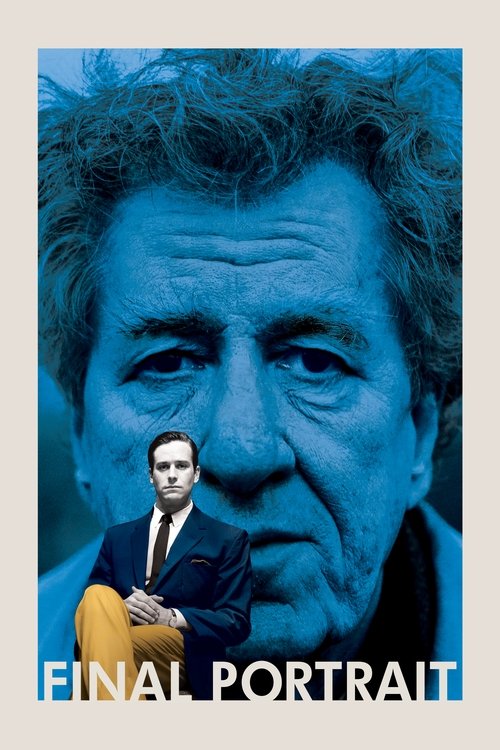
Paris, 1964. The Swiss sculptor and painter Alberto Giacometti, one of the most accomplished and respected artists of his generation, asks his friend, the American writer James Lord, to sit for a portrait, assuring him that it will take no longer than two or three hours, an afternoon at the most.