
User Score
1 votes
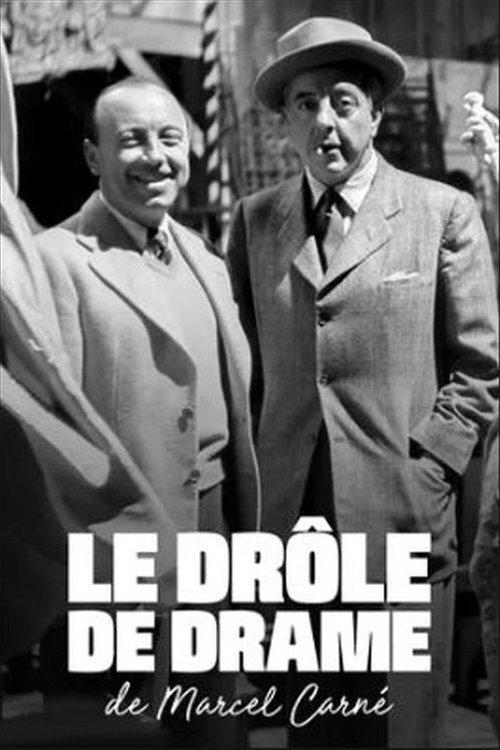
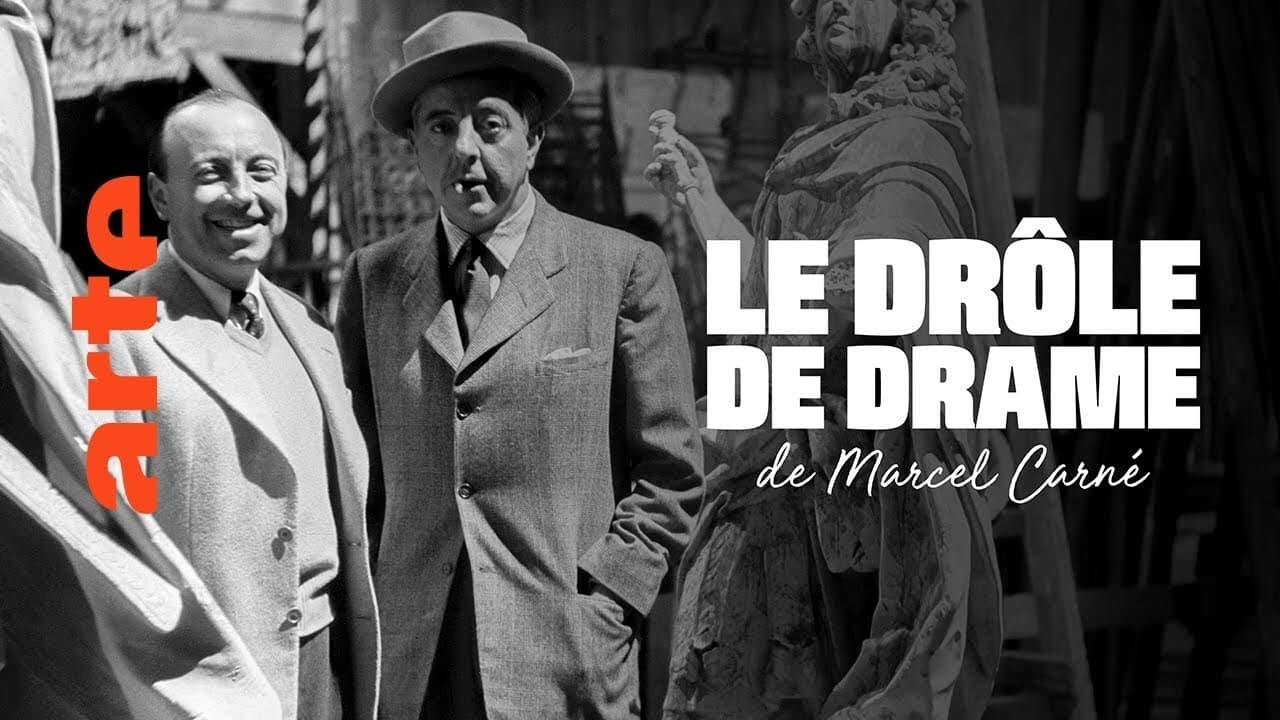
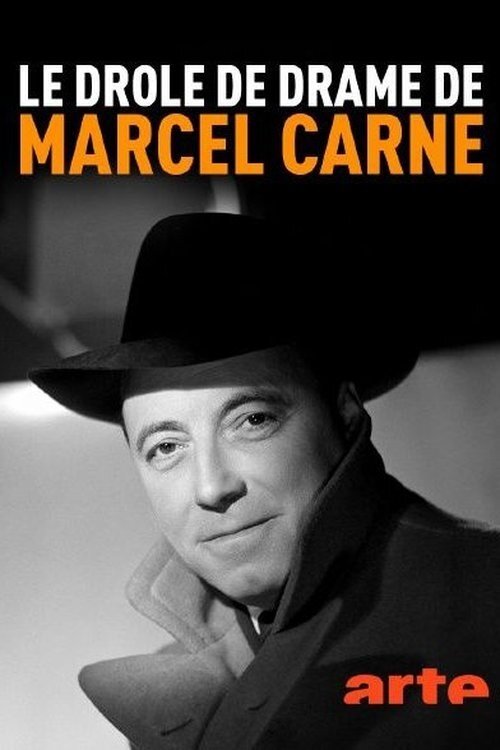
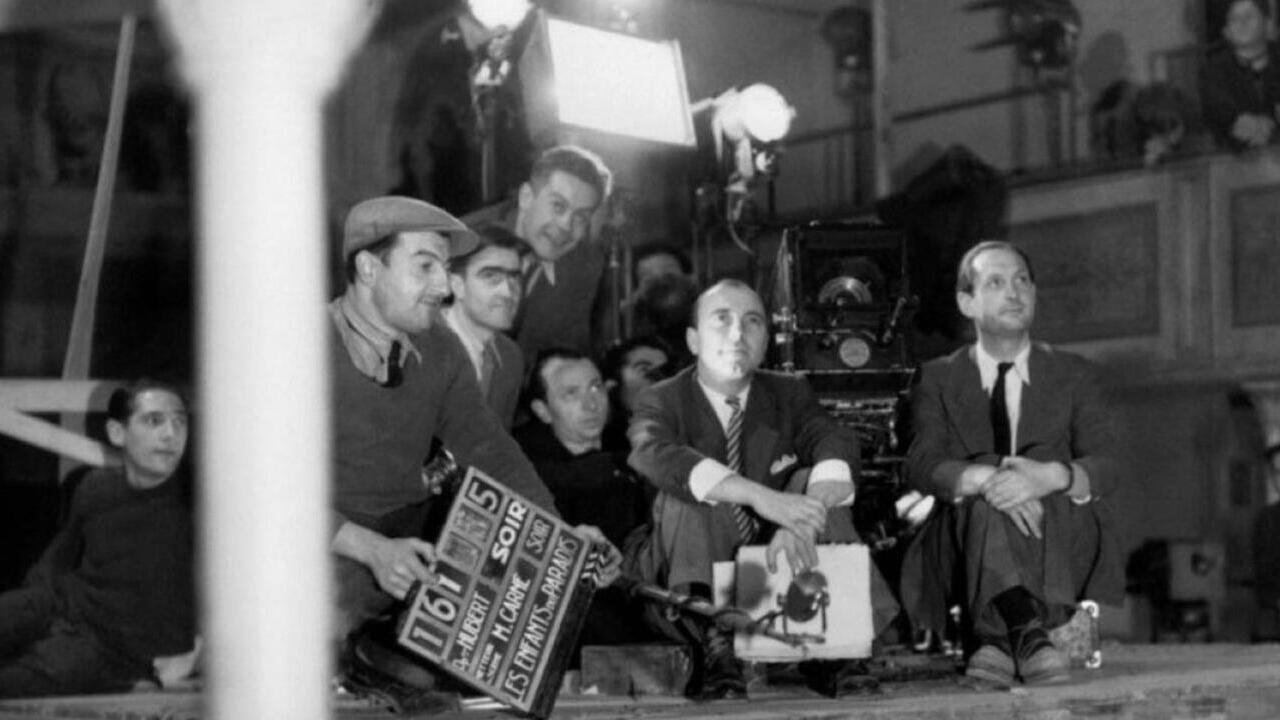
Through the life and career of Marcel Carné, using film excerpts and archives (including touching interviews with the director), François Aymé weaves a fascinating portrait of a hypersensitive man who had to deal with his homosexuality and who, despite his brilliance, was long relegated to the shadow of his actors and Prévert, who were credited with their greatest success.
Director
Status
Released
Original Language
FR
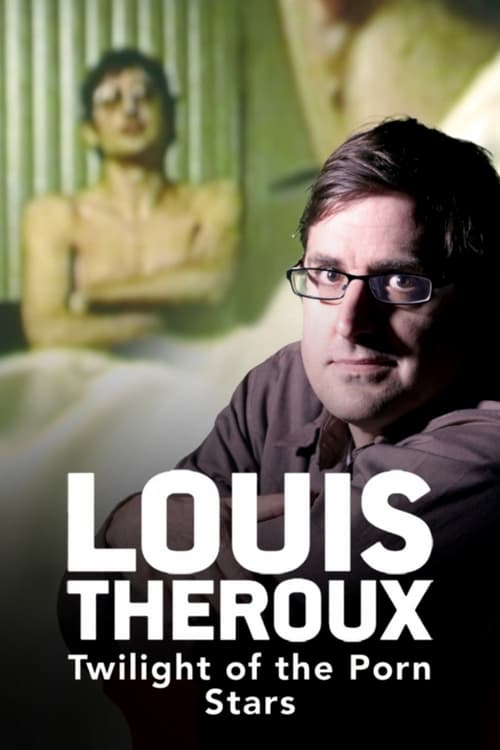
In 1997, Louis Theroux made a documentary about the world of male porn performers in Los Angeles. 15 years later, he returns to find a business struggling with the deluge of free porn on the internet. Louis revisits some of the original programme's contributors as well as meeting the latest crop of porn performers dreaming of porn stardom.