
User Score
5 votes
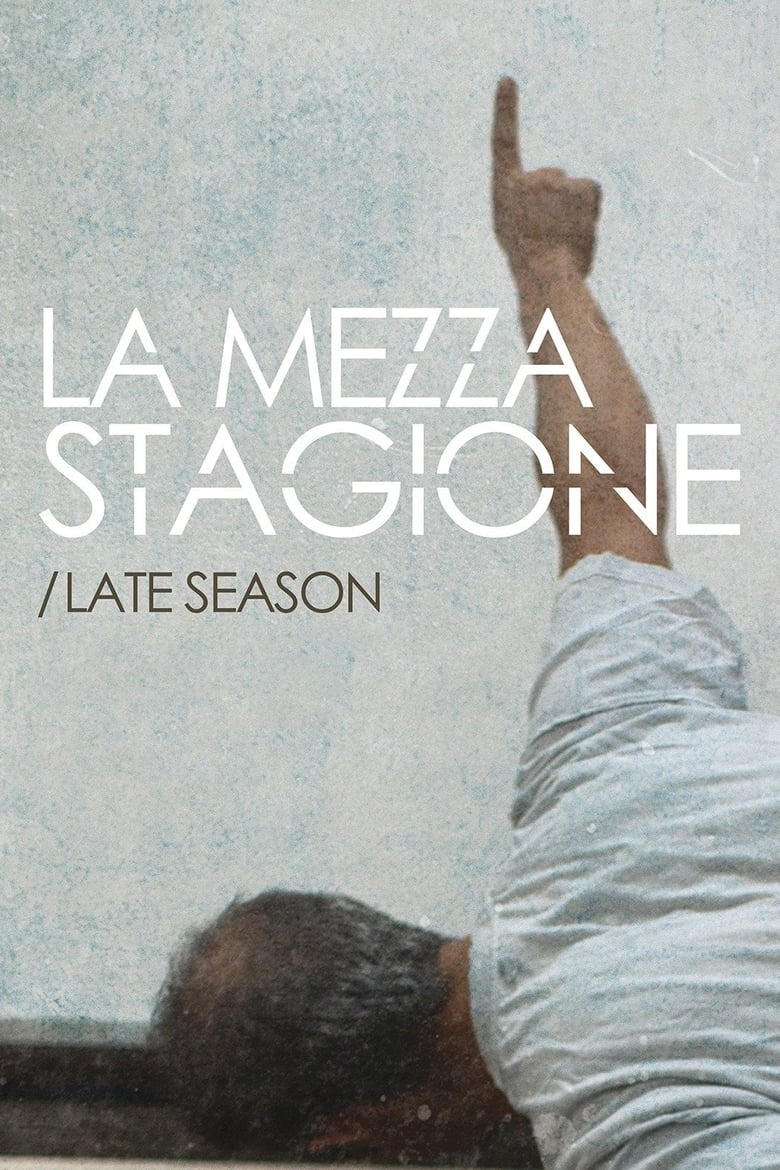
In the opening scene we are witness to an old man’s lament about a world he no longer understands. Subsequent sequences gradually introduce us to various inhabitants of an unspecified southern Italian village and to the many bizarre situations in which the characters of the three vaguely adumbrated stories appear. Although some of them meet on a daily basis, the viewer receives scant information about their relationships, let alone their lives, and with no plot context. Nevertheless, the tone generated by the artfully composed shots and musical accompaniment suggests something inauspicious, even subliminally disturbing. The film, the script of which earned director Caputo the Mattador International Screenwriting Award, seeks to explore the typical Italian provincial world where the effort to be new and modern clashes with a commitment to deeply rooted traditions.
Status
Released
Original Language
IT
A study of the friendship between a Chinese woman and a fisherman who came to Italy from Yugoslavia many years ago, who live in a small city-island in the Veneto lagoon.