
User Score
1 votes
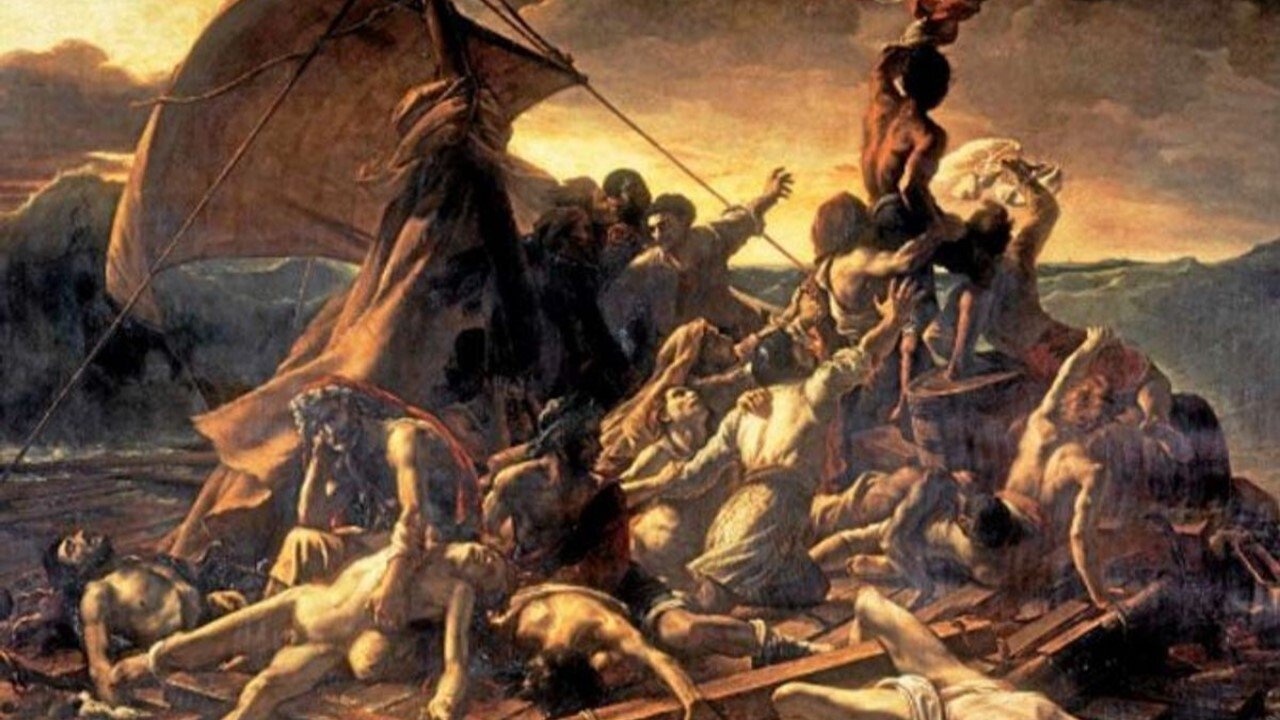
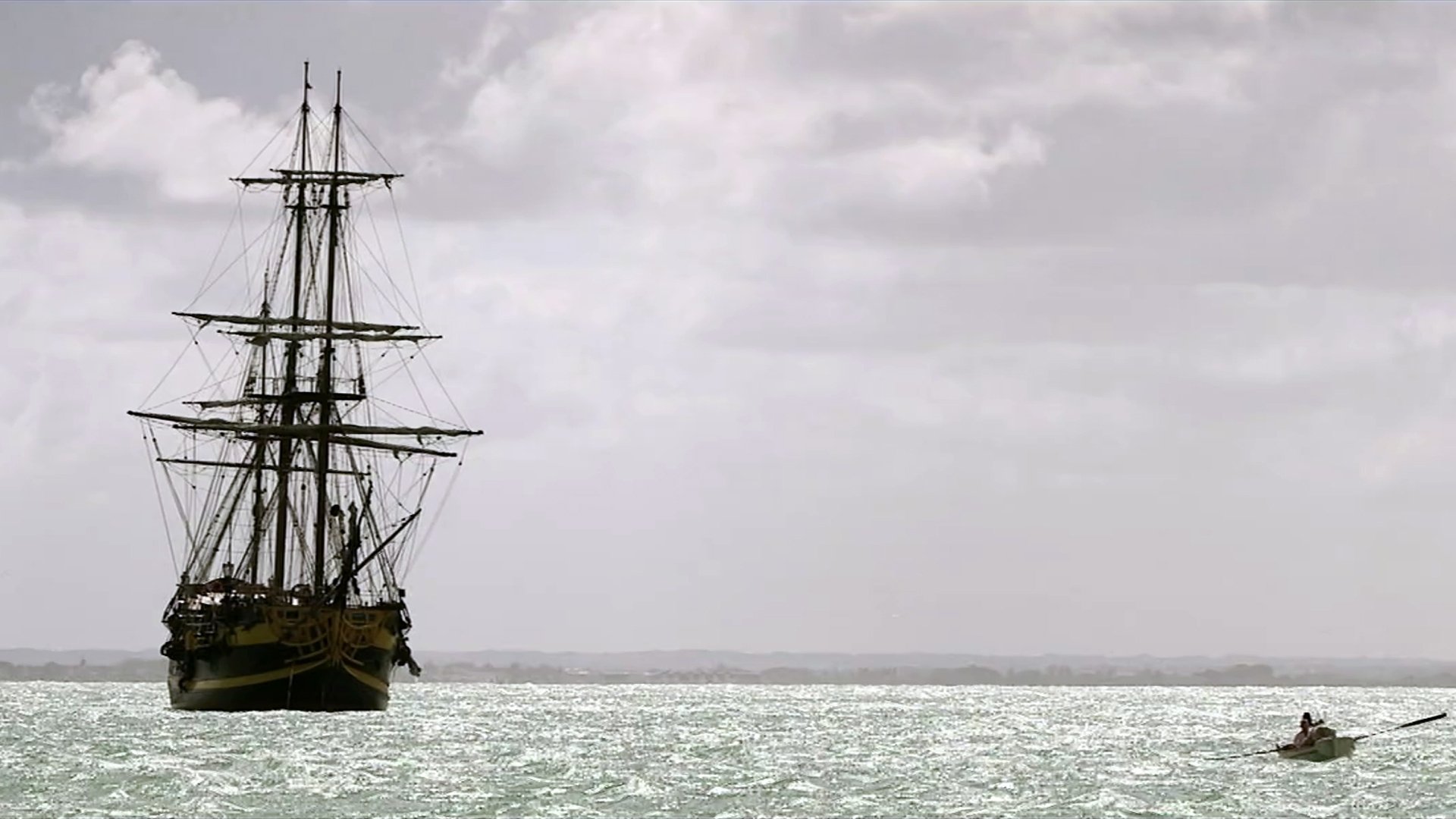
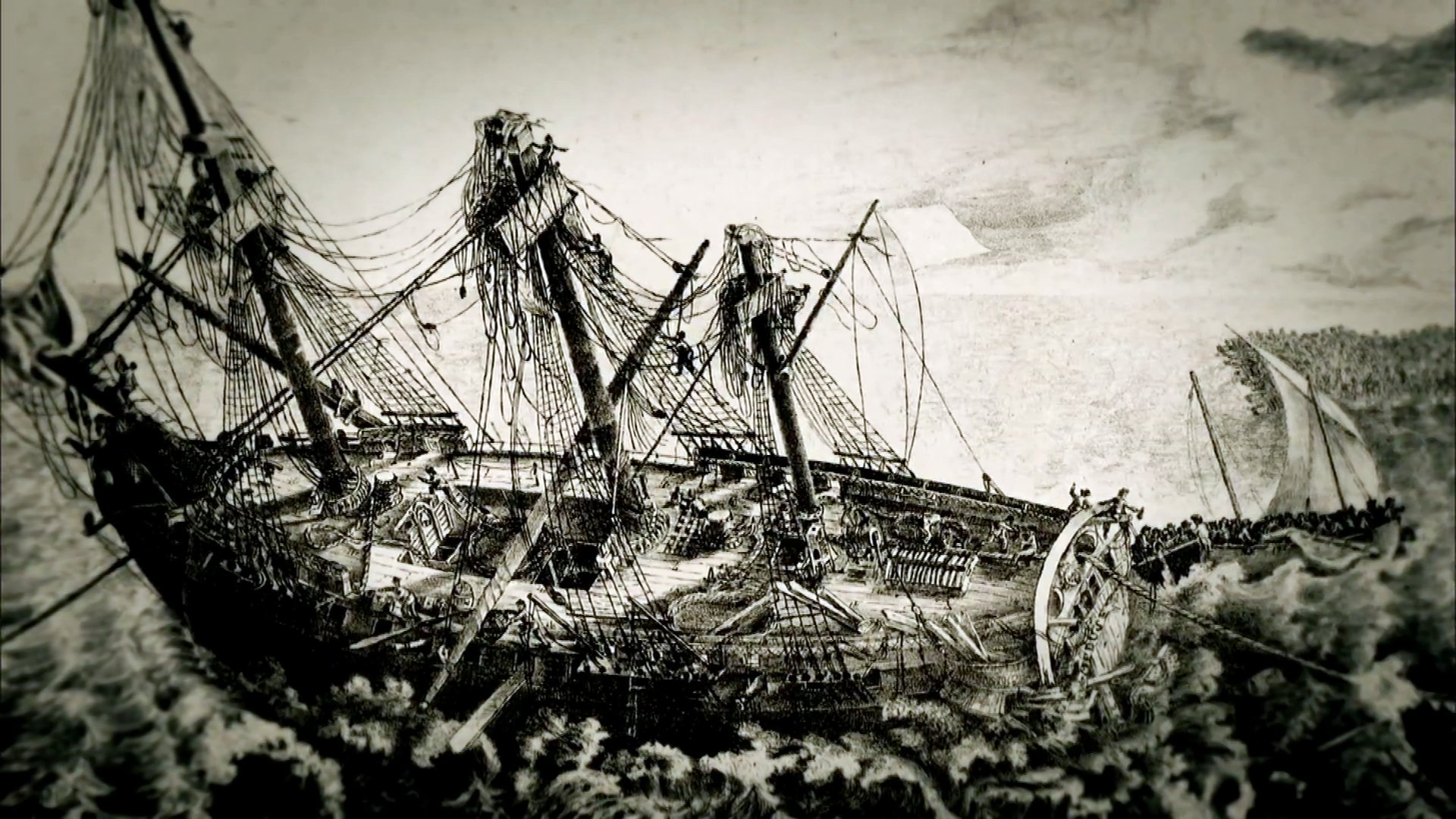
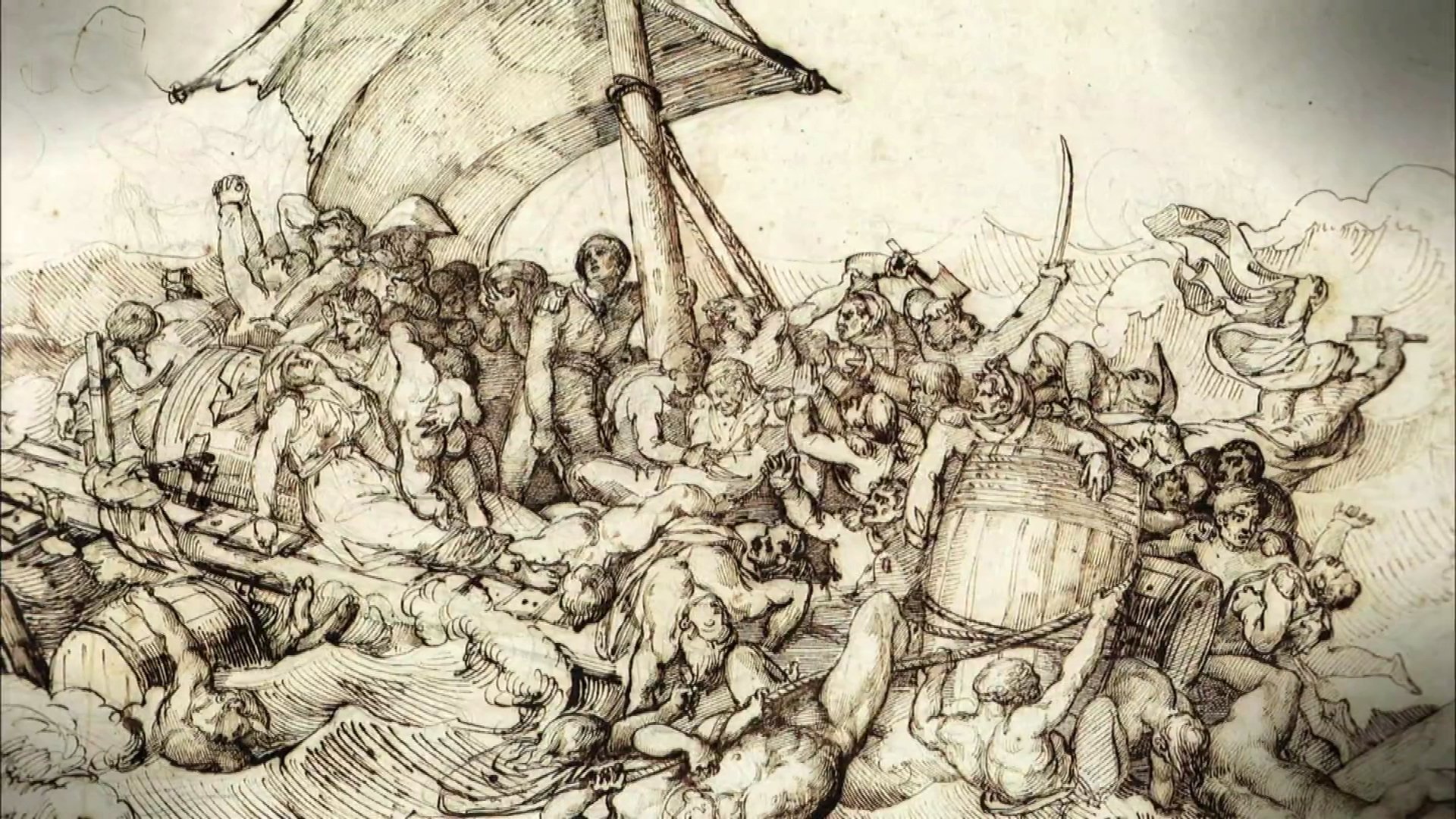
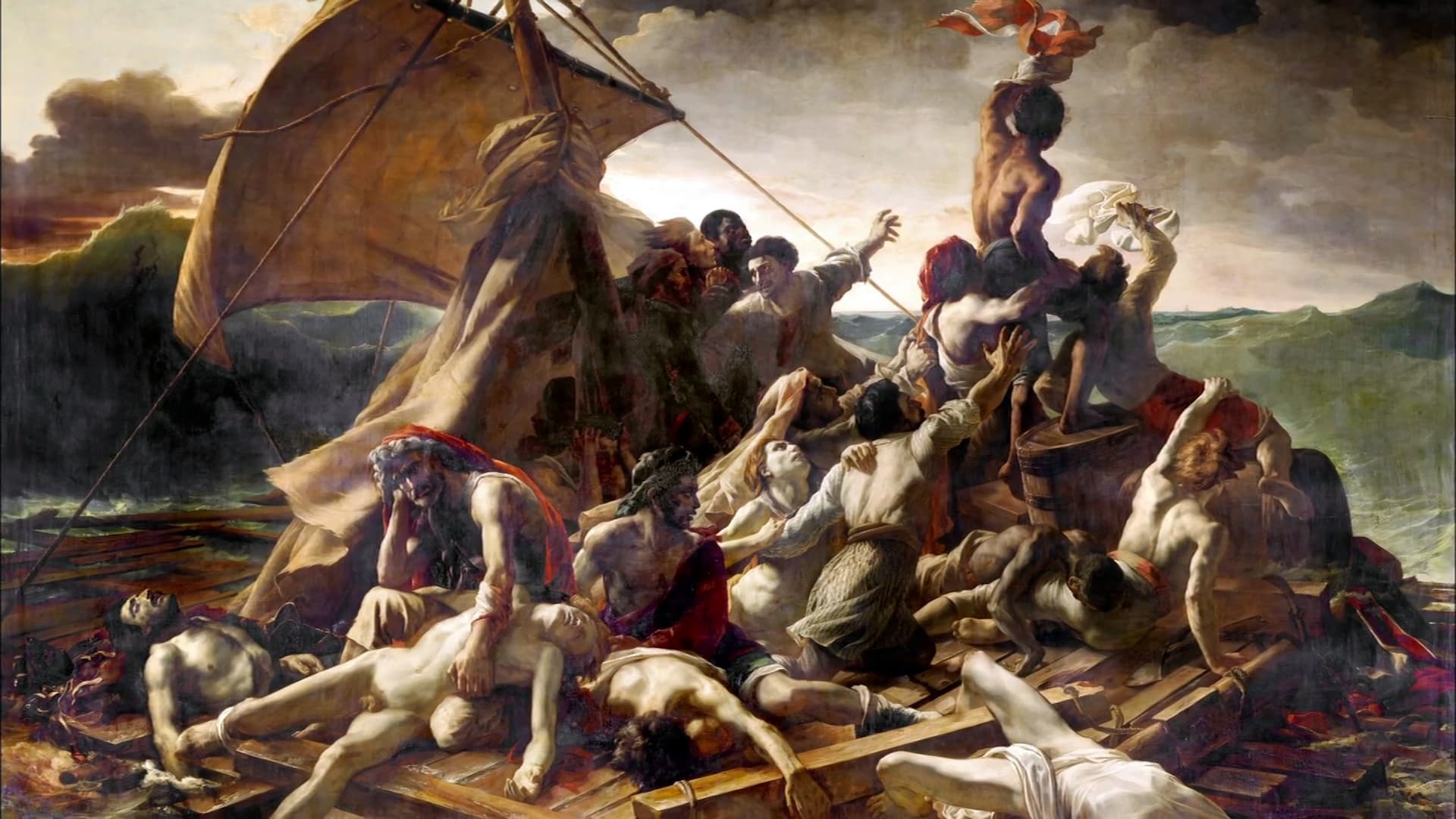
On July 5, 1816, the raft of La Méduse, about 20 by 12 meters, began its slow drift. They left at 151 and 13 days later, after a hellish journey, arrived at 15... Who knows the true story of Le Radeau de La Méduse? Painted in 1819, Théodore Géricault's romantic masterpiece became so famous that it has since overshadowed the true story that inspired it. In June 1816, during the Restoration under Louix XVIII, a French ship, the Méduse, left the port of Rochefort bound for Senegal. Its crew, made up of the new governor Schamaltz, company officials, troops and the expeditionary corps, had to settle in this former colony restored to France by England. In all, some 400 passengers. But due to the unpredictable cartography of the time and the short-sightedness of its commander, La Méduse ran aground on a sandbank off the coast of Mauritania.
Director
Writer
Status
Released
Original Language
FR
Self - Historien et administrateur du Musée de la Marine, Rochefort
The history of cinematic sound, told by legendary sound designers and visionary filmmakers.