
User Score
0 votes
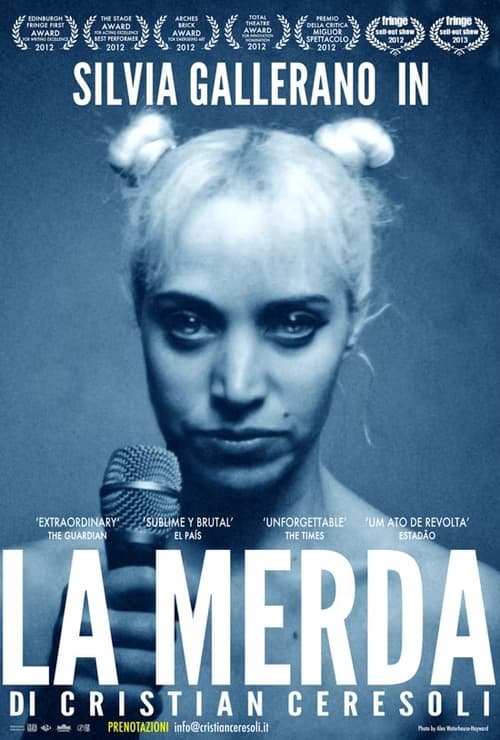
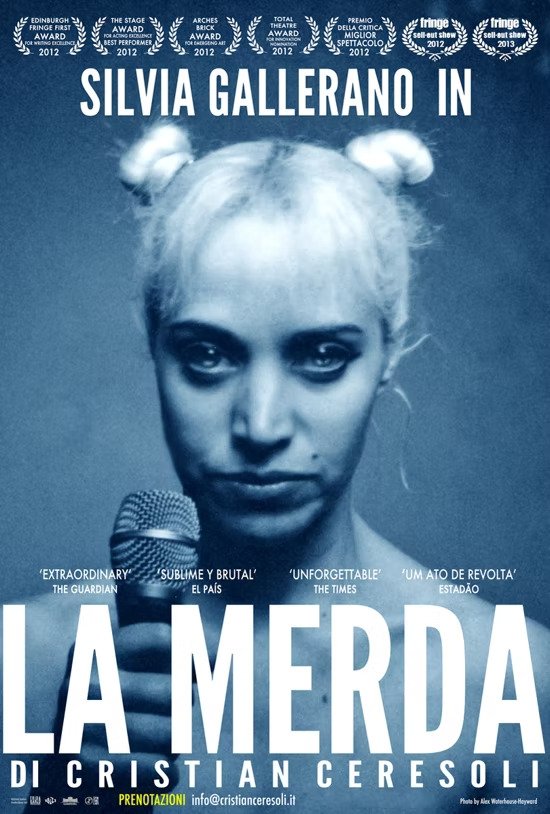
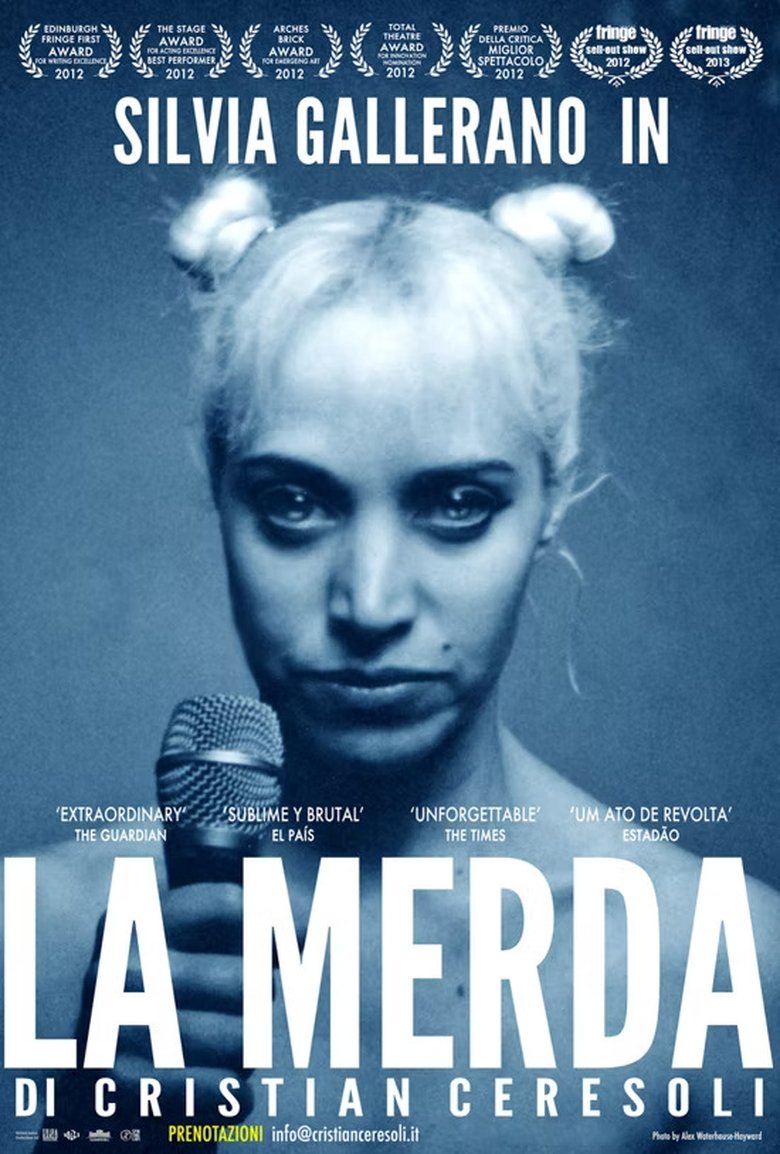
La Merda is a poetic stream of consciousness where it is unleashed the bulimic and revolting public confidence of a "young" and "ugly" woman as she struggles with obstinacy, resistance and courage for her own celebrity breakthrough in the society of Thighs and Liberty. La Merda is driven by a desperate attempt to pull ourselves out of the mud, the latest products of the cultural genocide aptly described by Pier Paolo Pasolini since the modern consumer society began taking form. A totalitarianism, according to Pasolini, even more repressive than the one of the Fascist era, for capable of crushing us softly.
Director
Writer
Status
Released
Original Language
IT
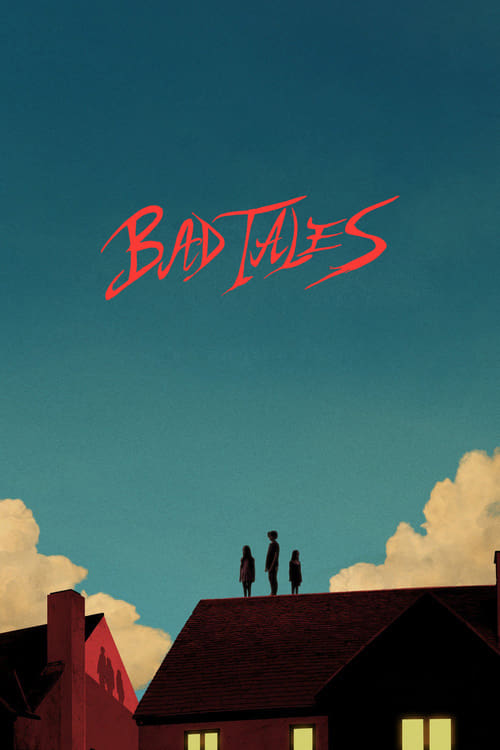
In a small suburb on the outskirts of Rome, the cheerful heat of summer camouflages a stifling atmosphere of alienation. From a distance, the families seem normal, but it’s an illusion: in the houses, courtyards and gardens, silence shrouds the subtle sadism of the fathers, the passivity of the mothers and the guilty indifference of adults. But it’s the desperation and repressed rage of the children that will explode and cut through this grotesque façade, with devastating consequences for the entire community.