User Score
1 votes
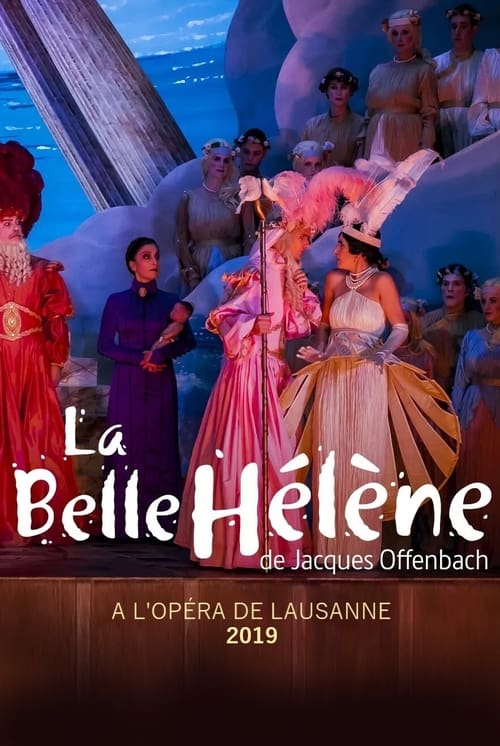
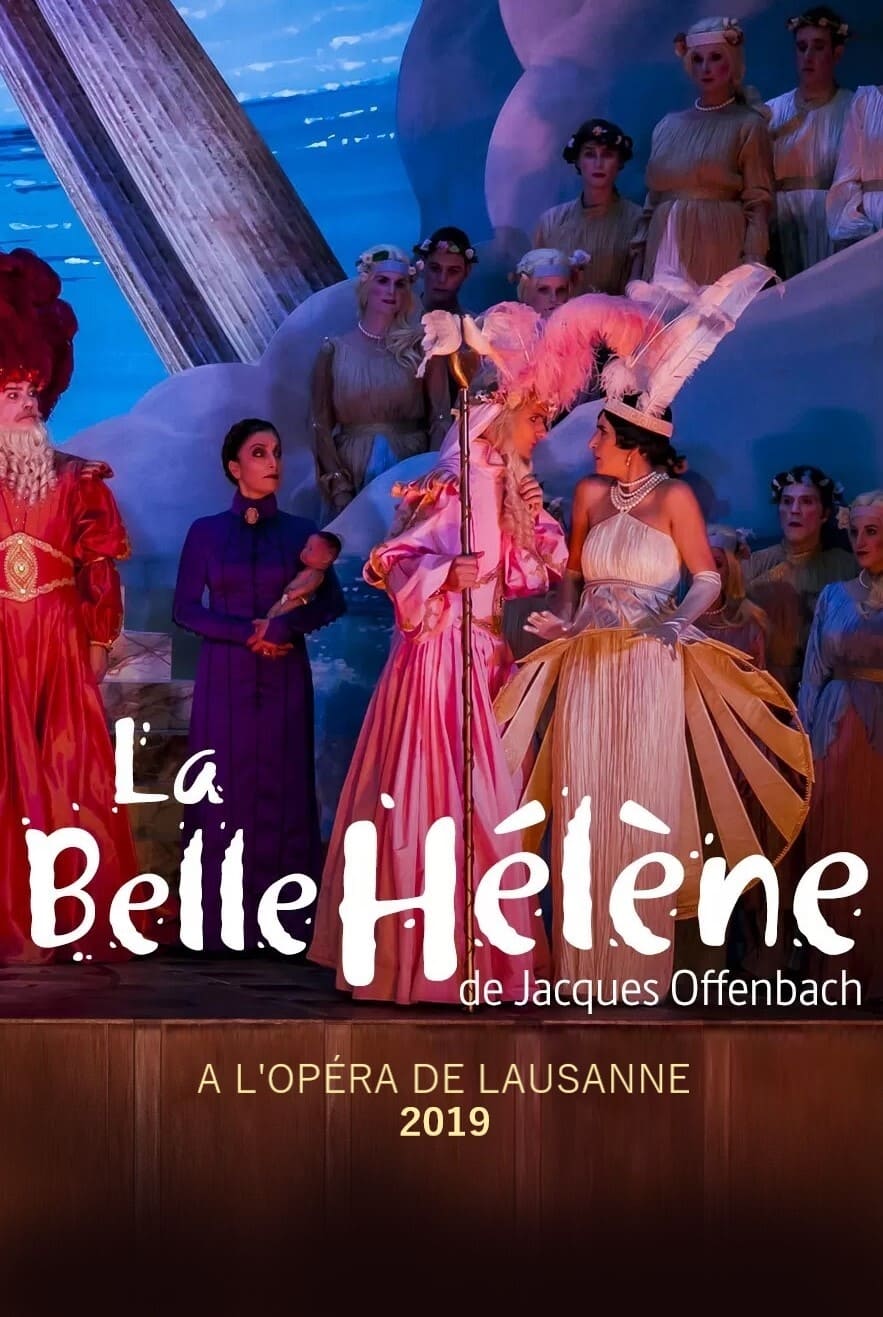
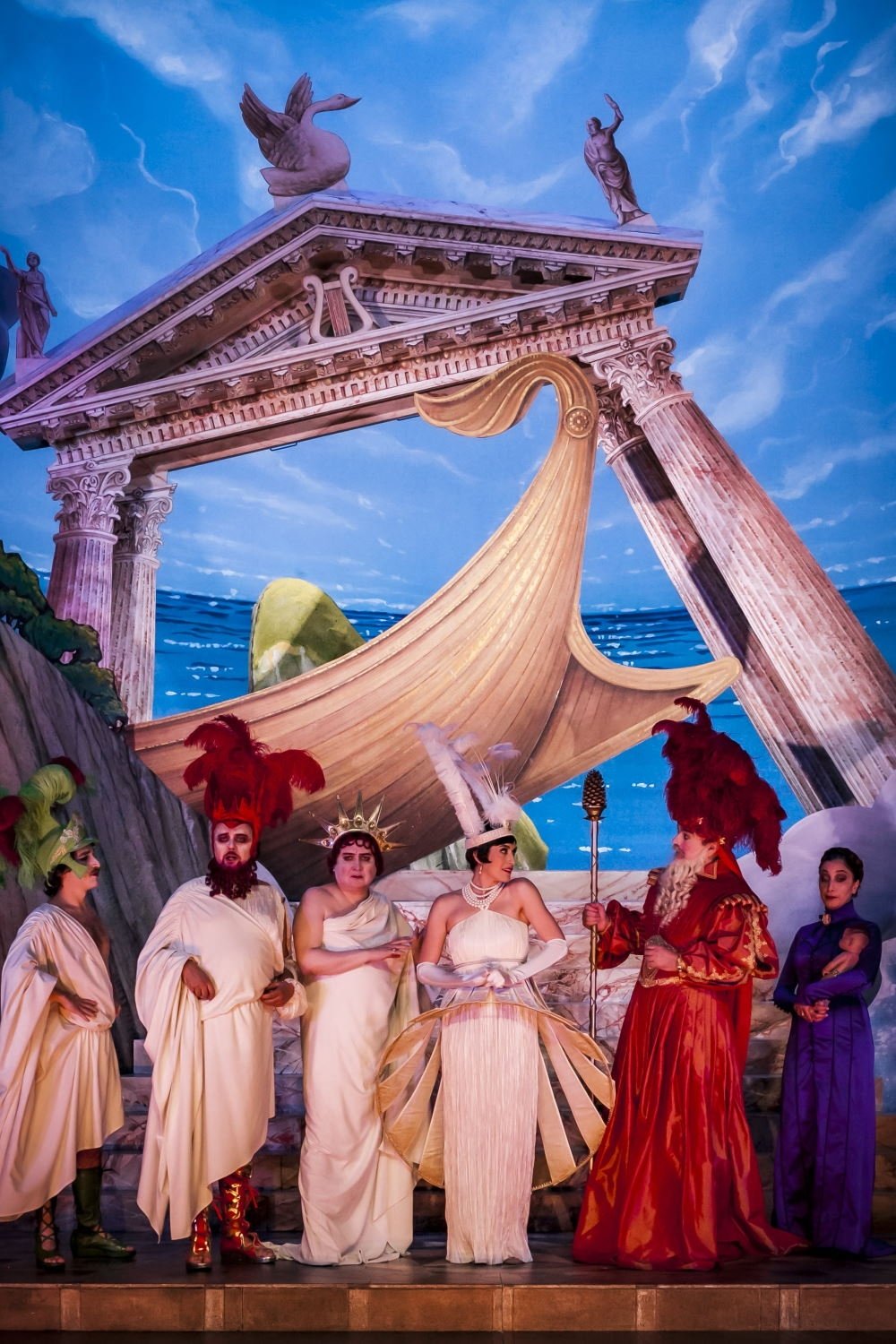
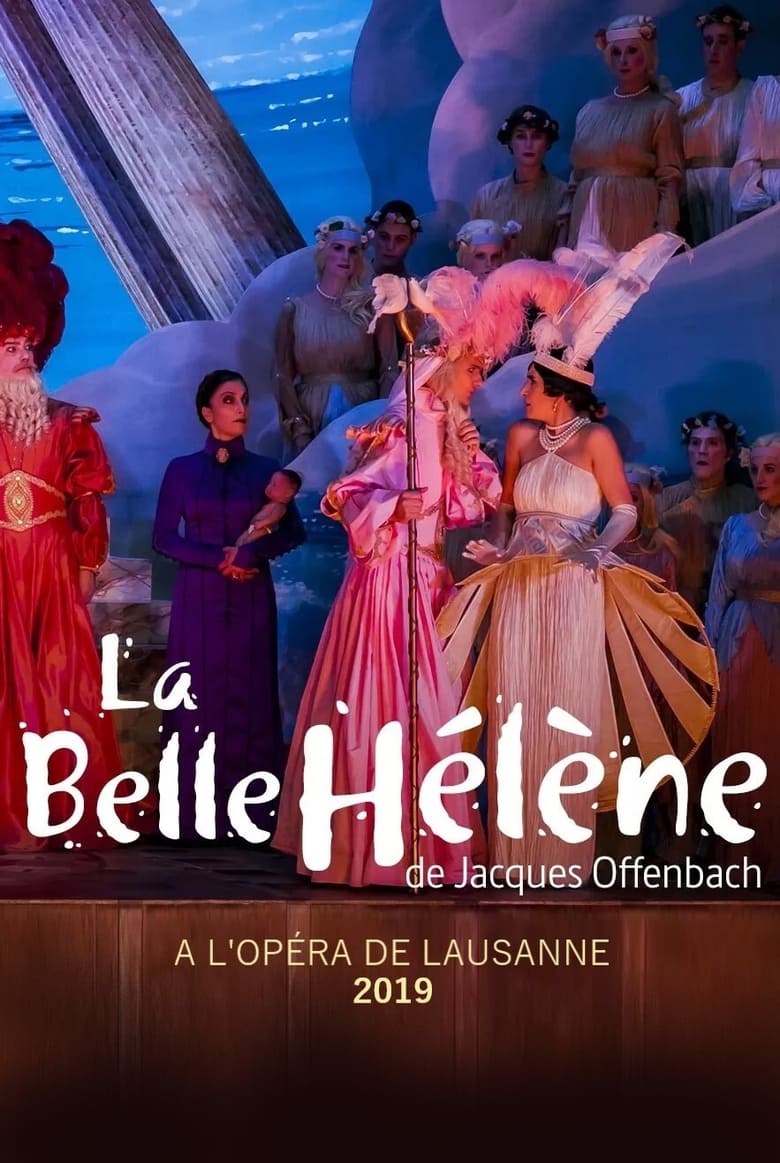
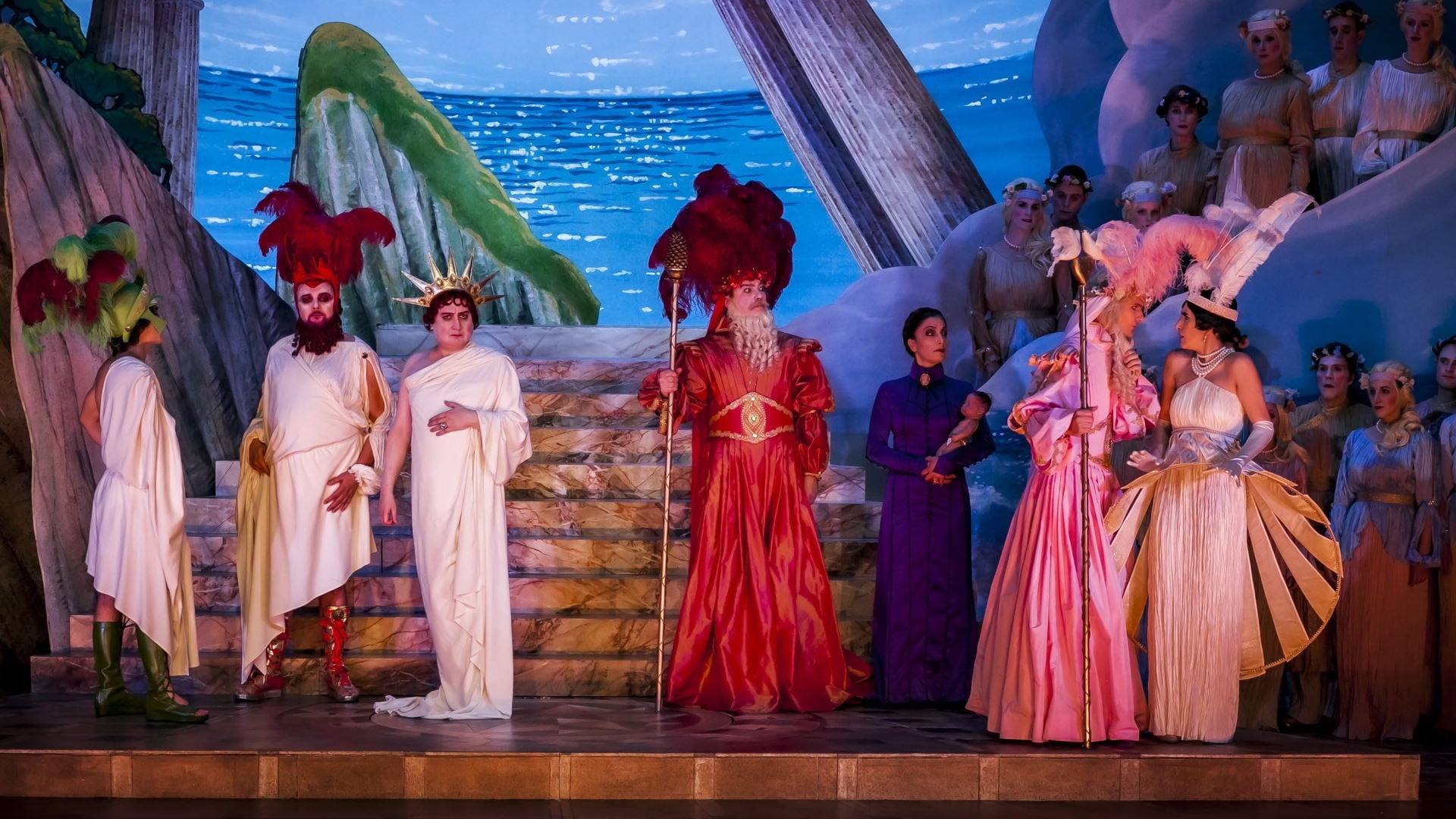
La belle Hélène is the work that confirmed Offenbach's international reputation. The libretto caricatures the conventions of Greek mythology to poke fun at contemporary society, and the melodies, once heard, never leave you. The erotic and political scandal surrounding the creation of this work ensured its immediate and enduring success. We are carried away by music that is always new and inventive, sprinkled with nods to other works: the dream duet between Helen and Paris, the patriotic trio mimicking Rossini's William Tell, the ensemble of "the man with the apple" and the waltz of the "vile seducer"... Not to mention the exquisite humor of the language, whose inventions, such as "plis de vaillance" (folds of valor) and "poux de la reine" (queen's lice), have entered the lexical fund. In this celebration of Offenbach, we constantly swing between laughter and beauty, indulging in the pleasure of all the senses...
Status
Released
Original Language
FR
Calchas
After three bumbling Soviet agents fail in their mission to retrieve a straying Soviet composer from Paris, the beautiful, ultra-serious Ninotchka is sent to complete their mission and to retrieve them. She starts out condemning the decadent West, but gradually falls under its spell—with the help of an American movie producer. A remake of Ninotchka (1939).