
User Score
0 votes
"Dear Mr. President!" - this is how Zosia Kaczynska titled her letter, asking Boleslaw Bierut - on behalf of herself and her three siblings - to release her mother from prison. This letter did not reach the addressee. Most of the requests for clemency, written by convicts and their relatives, already at the beginning of their journey to the head of state received a note in the prosecutor's office or court: leave without further course. Historian and archivist Janusz Kotanski and former political prisoner Janusz Horodniczy followed in the footsteps of documents found in the archives in search of those harmed by Stalin's repressive apparatus.
Status
Released
Original Language
PL
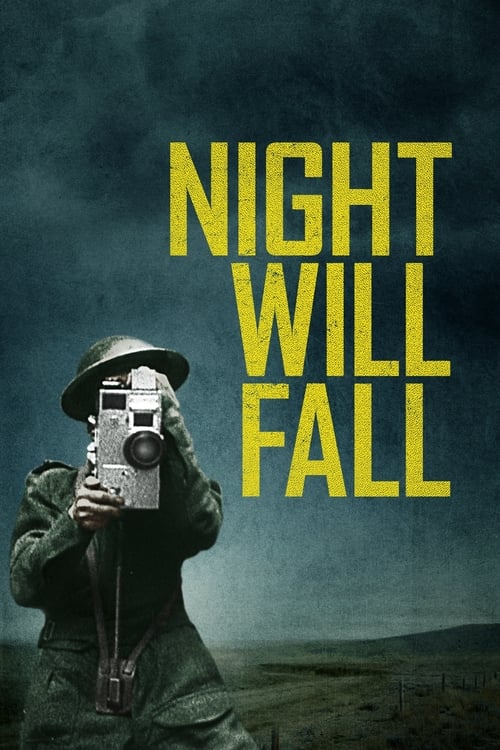
When Allied forces liberated the Nazi concentration camps in 1944-45, their terrible discoveries were recorded by army and newsreel cameramen, revealing for the first time the full horror of what had happened. Making use of British, Soviet and American footage, the Ministry of Information’s Sidney Bernstein (later founder of Granada Television) aimed to create a documentary that would provide lasting, undeniable evidence of the Nazis’ unspeakable crimes. He commissioned a wealth of British talent, including editor Stewart McAllister, writer and future cabinet minister Richard Crossman – and, as treatment advisor, his friend Alfred Hitchcock. Yet, despite initial support from the British and US Governments, the film was shelved, and only now, 70 years on, has it been restored and completed by Imperial War Museums under its original title "German Concentration Camps Factual Survey".
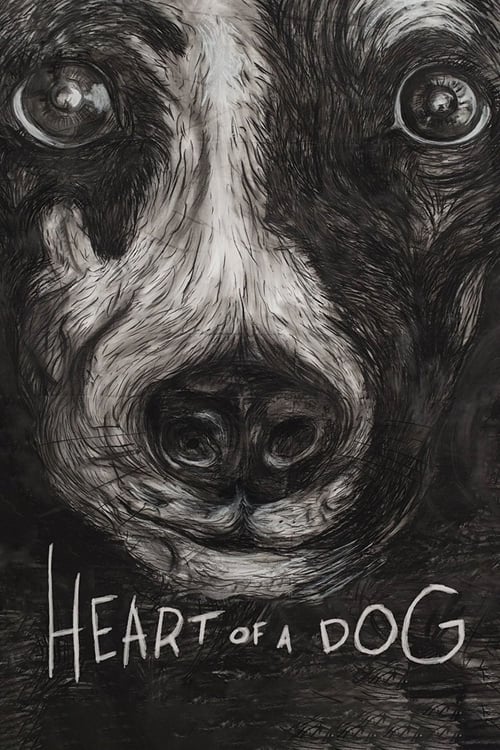
Lyrical and powerfully personal essay film that reflects on the deaths of her husband Lou Reed, her mother, her beloved dog, and such diverse subjects as family memories, surveillance, and Buddhist teachings.