
User Score
1 votes
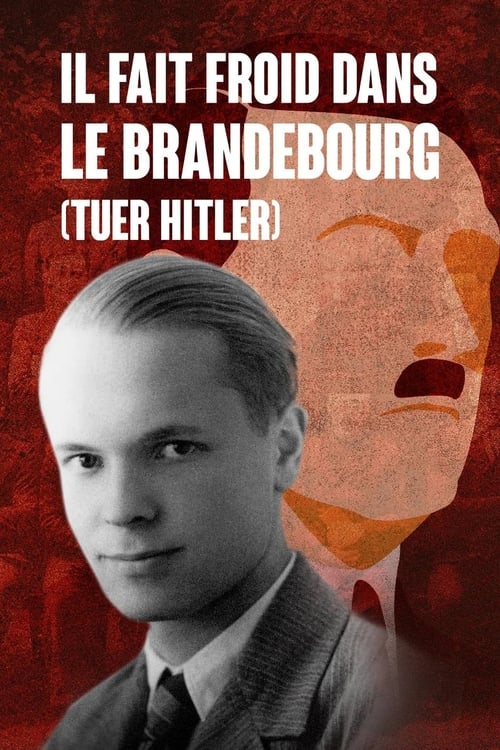
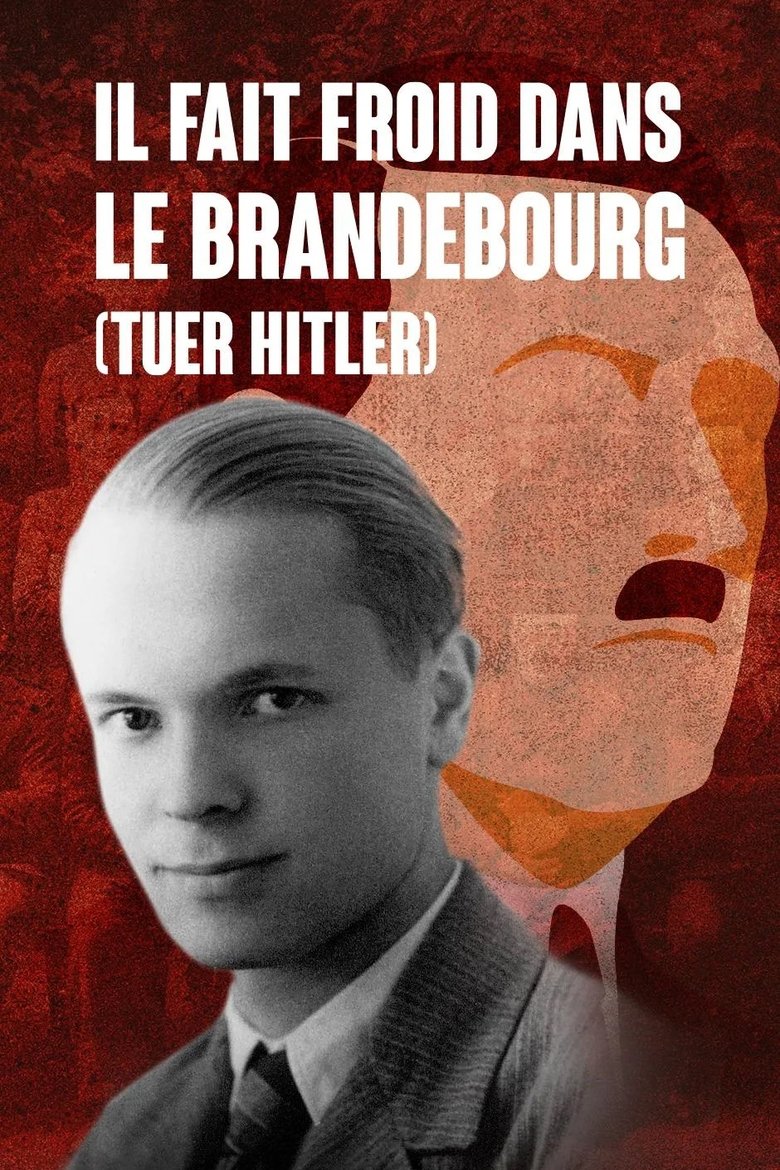
This 140-minute documentary takes a close look at the story and historical context of a young Swiss man who was beheaded during WW II for supposedly wanting to kill Hitler. The man's family cannot help clarify the issue since they say he had been pro-Nazi earlier. Other injustices or puzzling omissions come to the fore, such as a German who was against Hitler, survived torture by the SS, and then was not given any state aid when peace was restored. Another sequence shows an extensive U.S. archive of materials that identifies many Nazis and their activities -- but is not available to anyone trying to track down former war criminals. Like other films of this type, the documentary helps to fill in facts about WW II that are little-known, or slow in coming out.
Status
Released
Original Language
DE
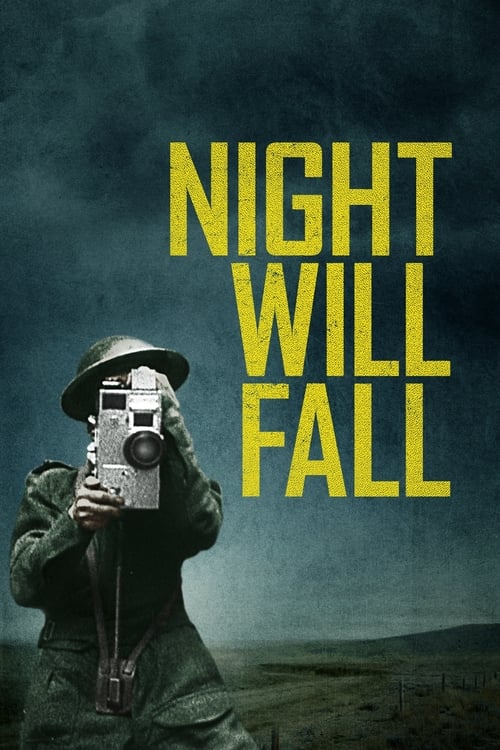
When Allied forces liberated the Nazi concentration camps in 1944-45, their terrible discoveries were recorded by army and newsreel cameramen, revealing for the first time the full horror of what had happened. Making use of British, Soviet and American footage, the Ministry of Information’s Sidney Bernstein (later founder of Granada Television) aimed to create a documentary that would provide lasting, undeniable evidence of the Nazis’ unspeakable crimes. He commissioned a wealth of British talent, including editor Stewart McAllister, writer and future cabinet minister Richard Crossman – and, as treatment advisor, his friend Alfred Hitchcock. Yet, despite initial support from the British and US Governments, the film was shelved, and only now, 70 years on, has it been restored and completed by Imperial War Museums under its original title "German Concentration Camps Factual Survey".