
User Score
1 votes
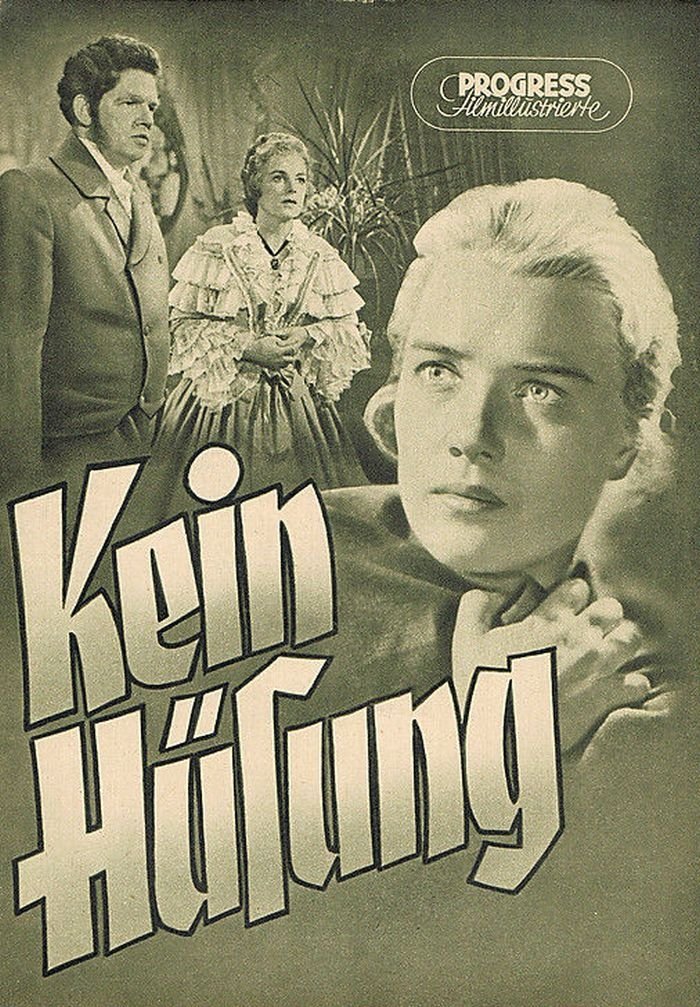
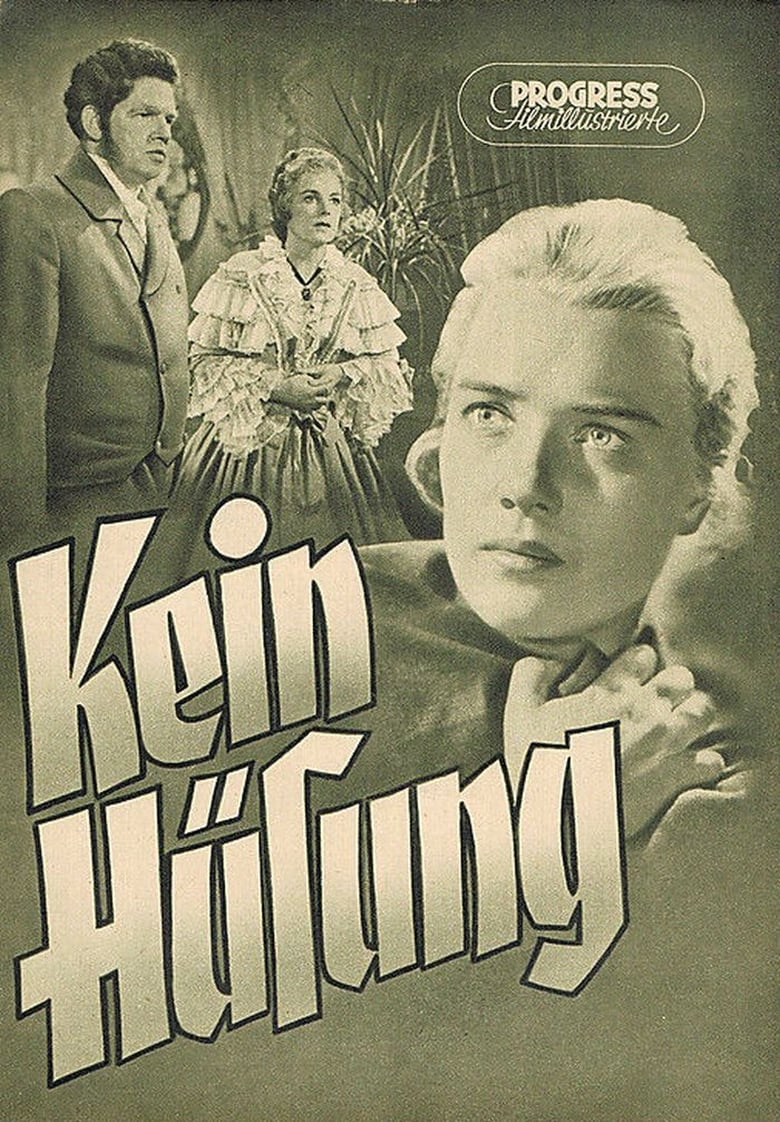
Mecklenburg, 19th century. For generations, the Brand family of farmers has worked a piece of land as tenants of the baron, who owns almost all of the village's land. The baron himself comes from a family of farmers who became rich through corruption and were ennobled. He is the absolute potentate, no one dares to contradict him, he takes what he wants and stops at nothing in his excesses. At the same time, he is the center of petty bourgeois, bigoted social life. Johann, the stable boy, wants to marry Mariken Brand and asks the baron for a piece of land so that he can build a life of his own. But the lord is harsh, not only refusing him the land, but also increasing the rent. Johann rebels, trying to rouse the farmers in the village from their lethargy—in vain. Only when Mariken dies does the mood change. A peasant uprising breaks out, and Johann kills the baron.
Status
Released
Original Language
DE

Baronin
Jewish aesthete Cioma, 21, does not let anyone take away his joy of life, especially not the Nazis. In 1942, he has to find new ways to make his living in Berlin and escape deportation. In the process he discovers his talent for forgery: not only with passports, but also his own identity.