“After generations of oppression, sometimes the only option is to go to the mountains and join a revolution.”
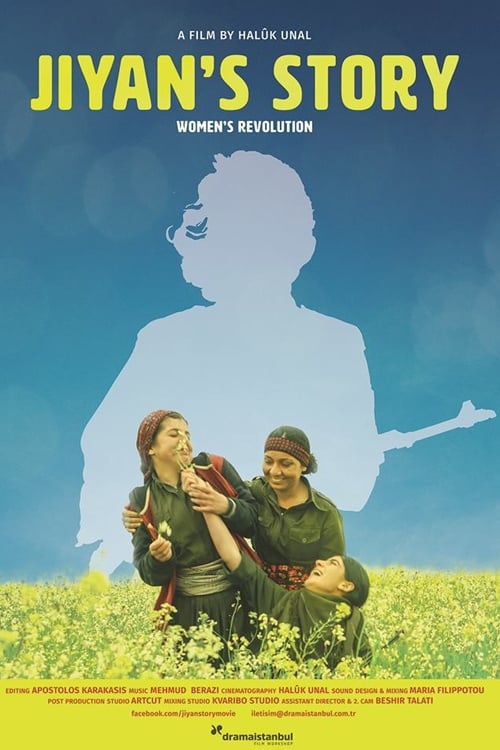
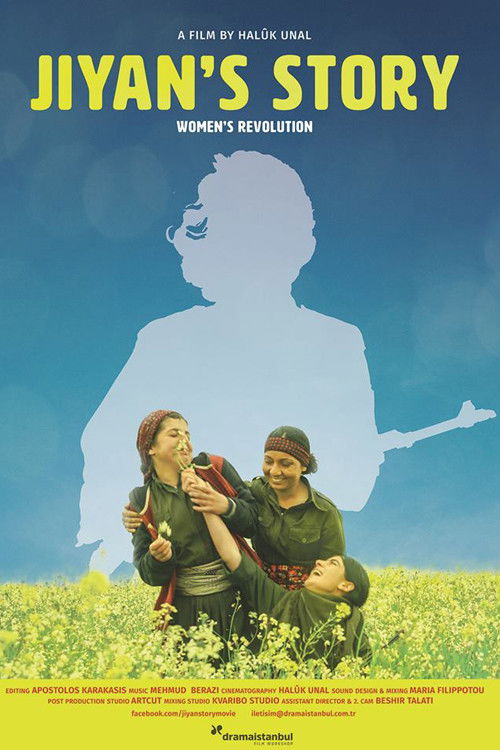
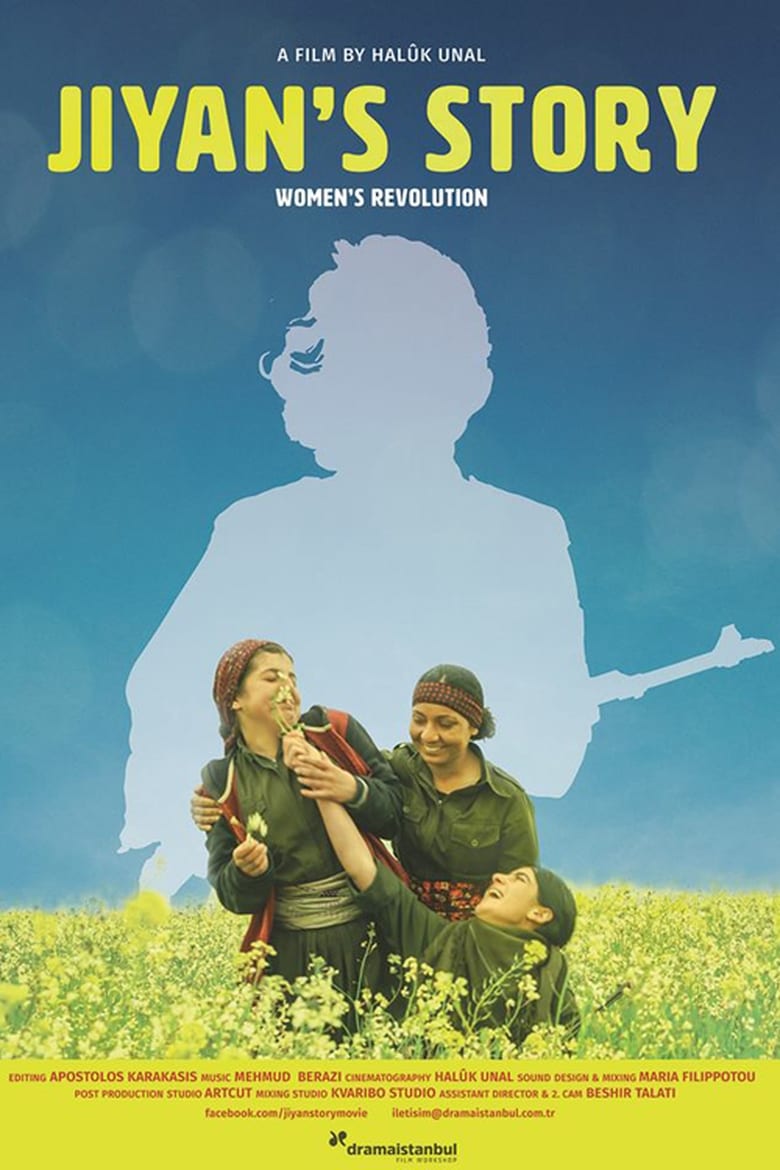
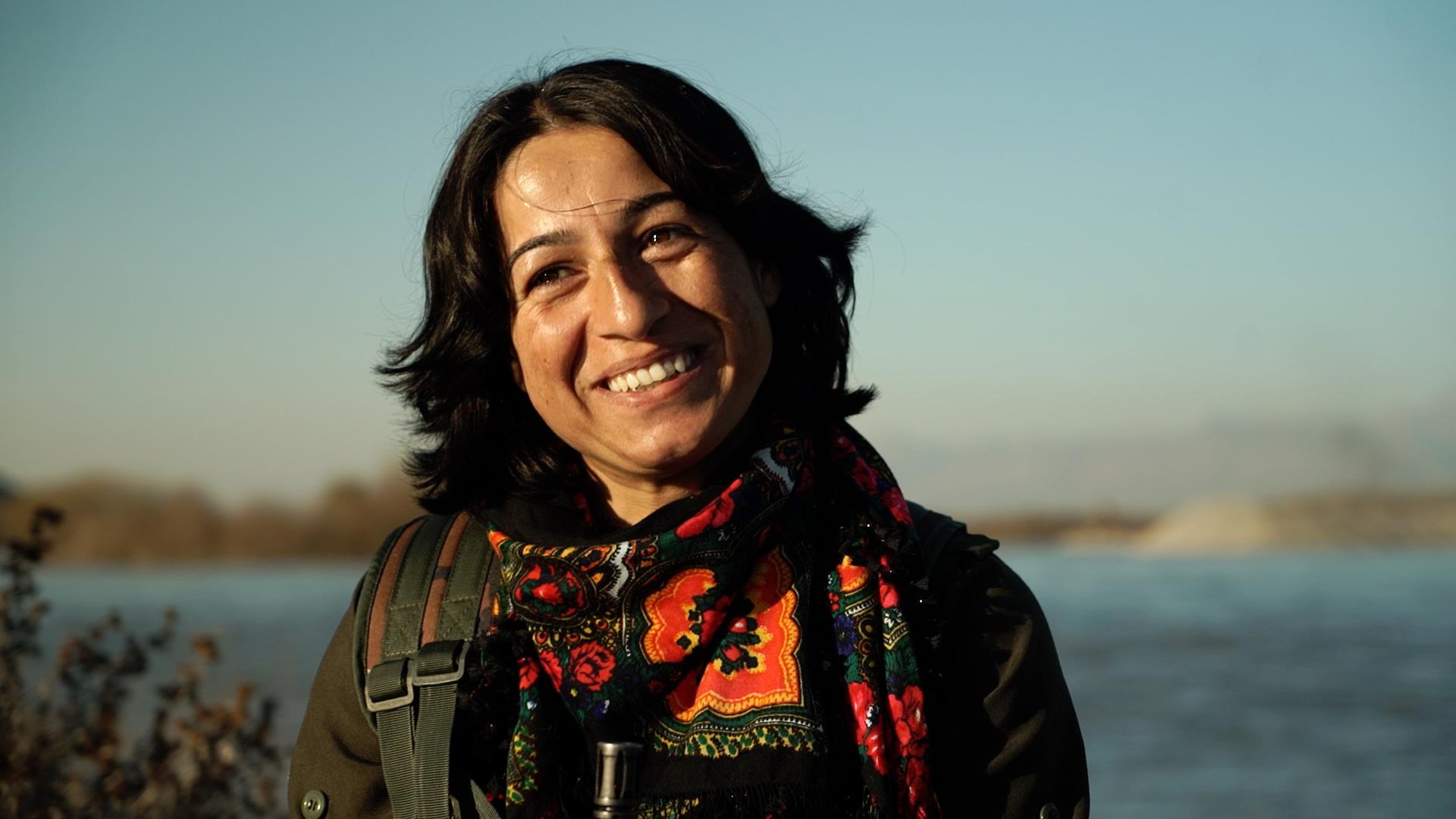
The fascinating story of Jiyan, a female guerrilla fighter who devoted twenty years of her life in the Kurdish militant struggle, reveals women’s determination for freedom not only against another oppressive regime, but also against the patriarchy. Jiyan Tolhildan is a young Kurdish woman living in the Kurdish region of Syria. After years of oppression by her family, her teachers and the society as a whole, Jiyan decides to go to the mountains to join the Kurdish struggle for freedom. When the Arab Spring breaks out Jiyan and her friends decide to go into the cities in Syria to join the protests. They also set out to educate Syrian women on women’s rights in the Rojava region. Now, six years after the Arab Spring, Kurdish forces have a semi-autonomous region in Syria. For the first time in history, women have an autonomous political organisation and an army in Syria. The women named creating this organisation “the women’s revolution.”
Director
Status
Released
Original Language
EN

When Allied forces liberated the Nazi concentration camps in 1944-45, their terrible discoveries were recorded by army and newsreel cameramen, revealing for the first time the full horror of what had happened. Making use of British, Soviet and American footage, the Ministry of Information’s Sidney Bernstein (later founder of Granada Television) aimed to create a documentary that would provide lasting, undeniable evidence of the Nazis’ unspeakable crimes. He commissioned a wealth of British talent, including editor Stewart McAllister, writer and future cabinet minister Richard Crossman – and, as treatment advisor, his friend Alfred Hitchcock. Yet, despite initial support from the British and US Governments, the film was shelved, and only now, 70 years on, has it been restored and completed by Imperial War Museums under its original title "German Concentration Camps Factual Survey".

A documentary about how a dominant cultural and demographic institution both sustains their traditional activities and adapts to the digital revolution.