User Score
2 votes
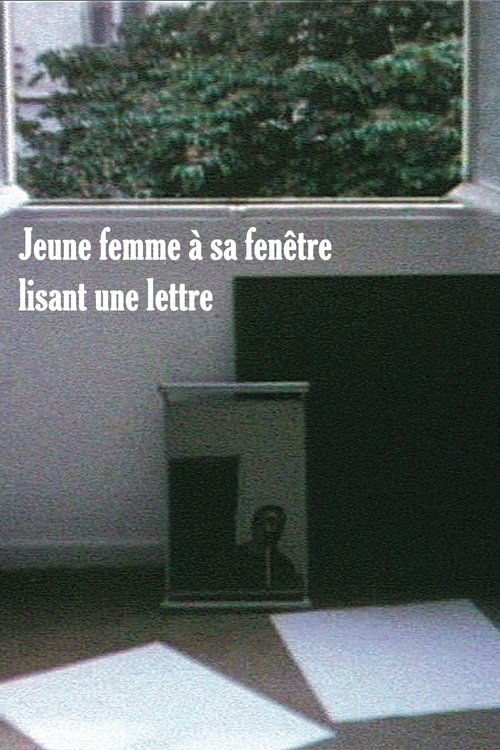
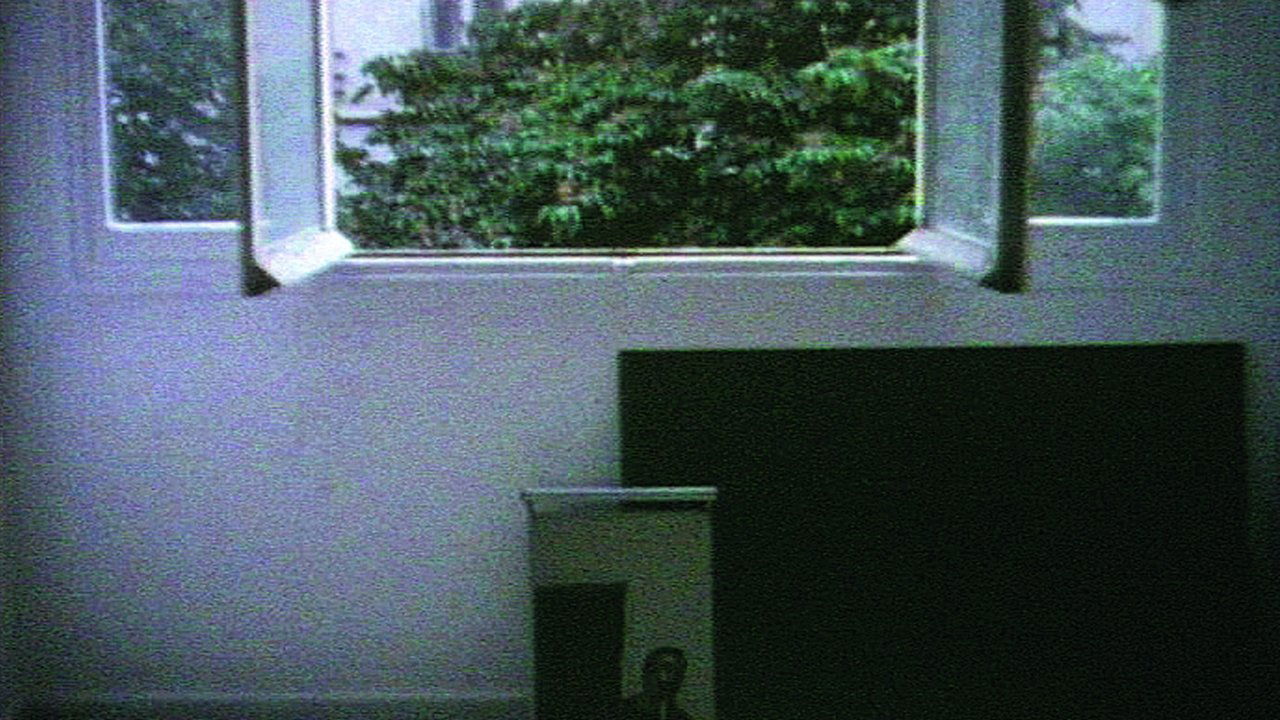
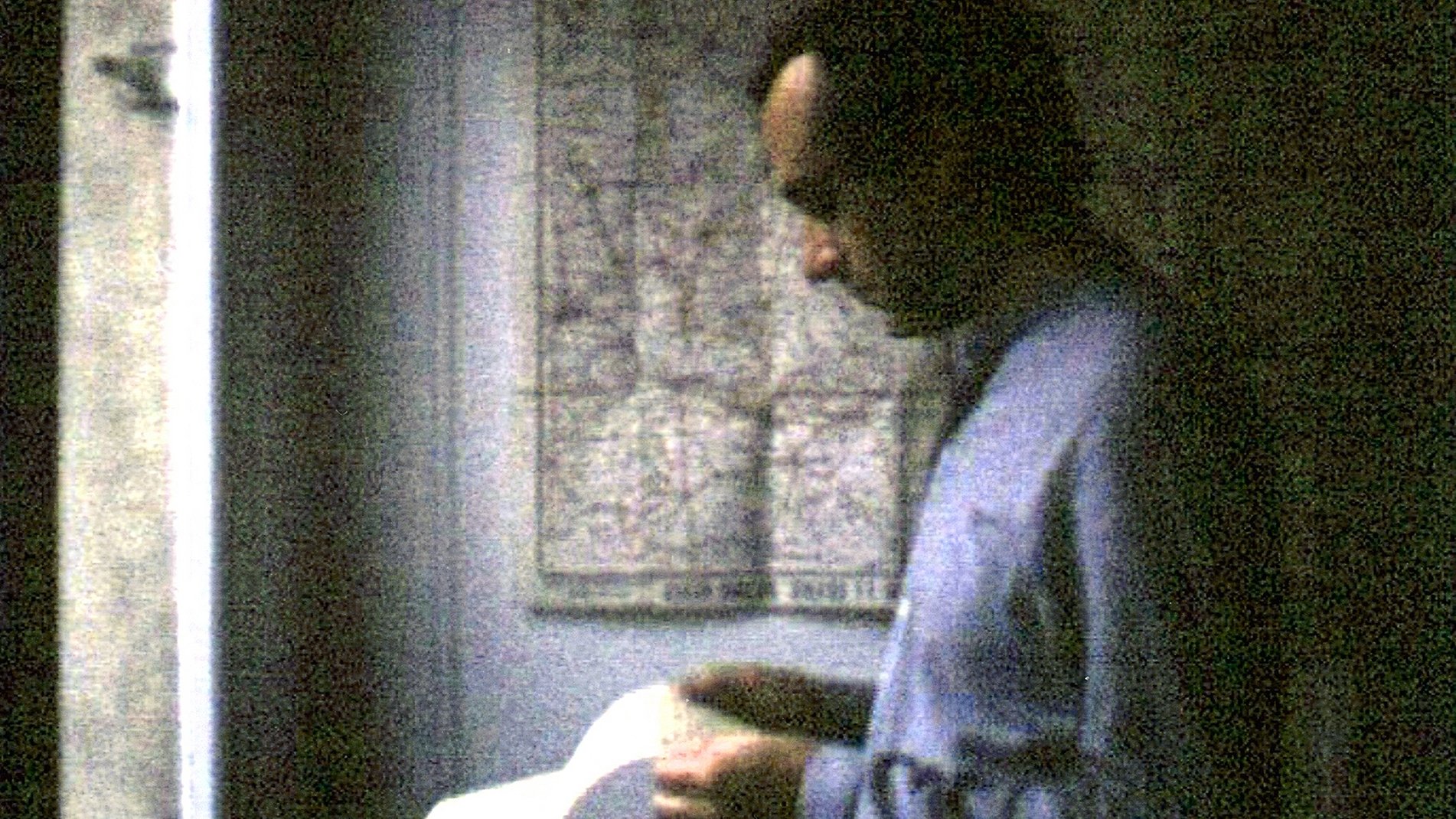
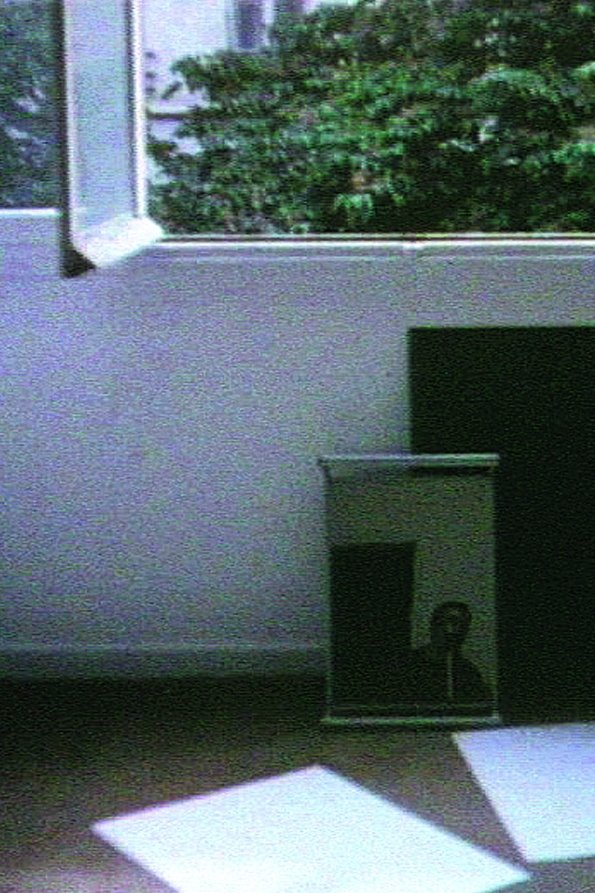
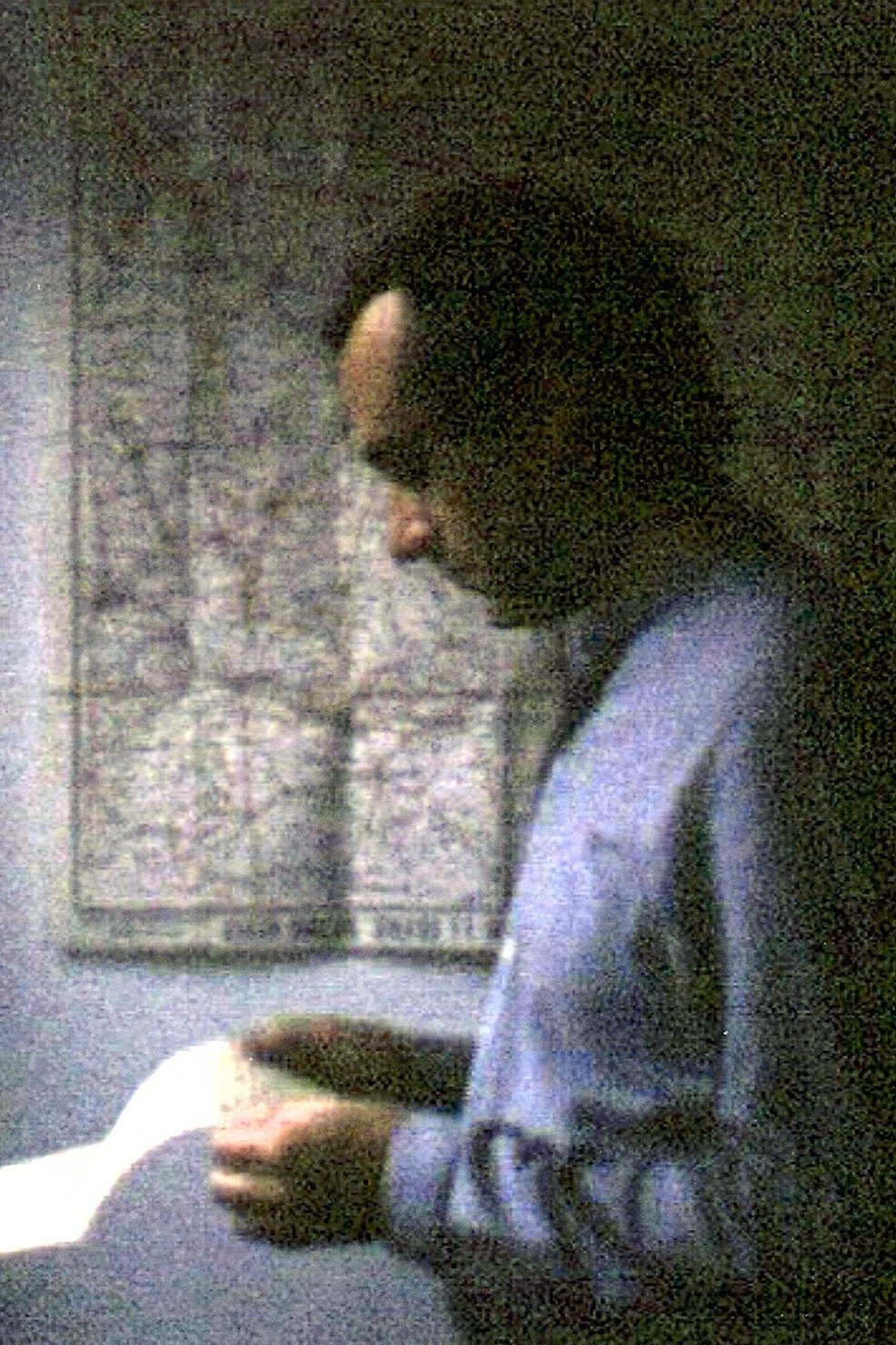
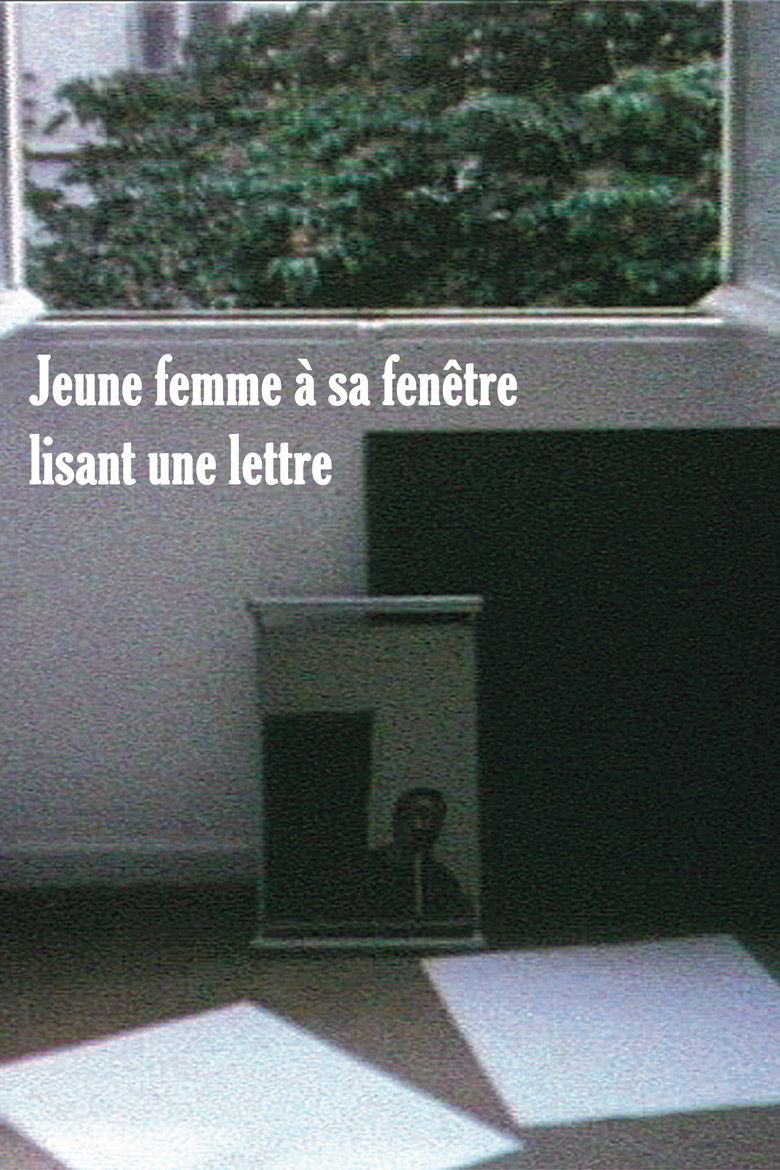
Jean-Claude Rousseau's Jeune femme à sa fenêtre lisant une lettre is not only his first medium-length film, but a chance to discover this filmmaker whom Jean-Marie Straub has called, along with Frans Van de Staak and Peter Nestler, the greatest working in Europe. With this newly restored print there is also a possibility to discover the relationship between Rousseau's art of filming and Jan Vermeer's famous painting. As Prosper Hillairet wrote in 1988, four years after Rousseau had finished Jeune femme ... (for the first time as we know today): «Without adopting the usual systematic spirit and form of cinéma structurel, Rousseau presents us with simple images and leaves it at that. Keeps the image in hand. A minimalist and ascetic expression of cinema: a shot that lasts.»
Director
Status
Released
Original Language
FR
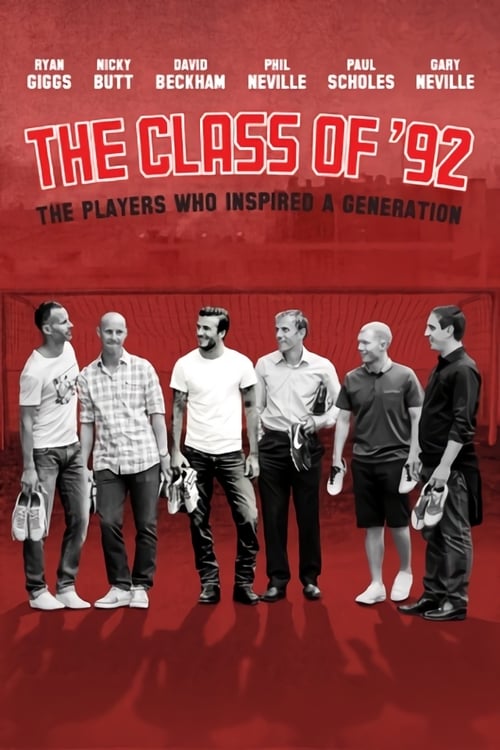
A detailing of the rise to prominence and global sporting superstardom of six supremely talented young Manchester United football players (David Beckham, Nicky Butt, Ryan Giggs, Paul Scholes, Phil and Gary Neville). The film covers the period 1992-1999, culminating in Manchester United's European Cup triumph.