User Score
1 votes
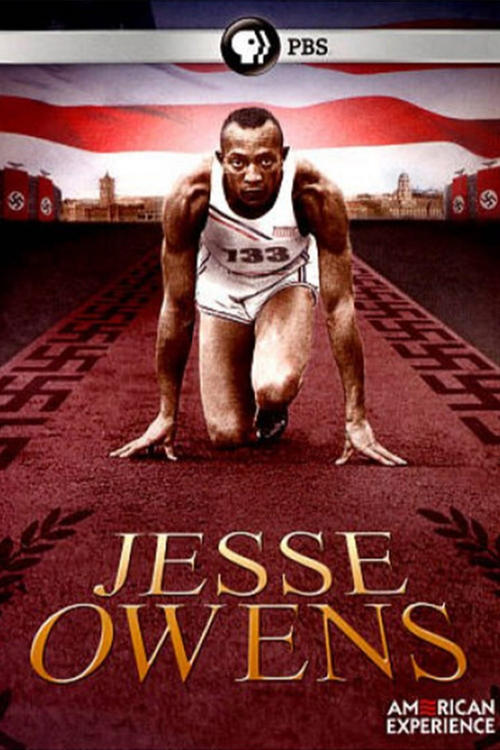
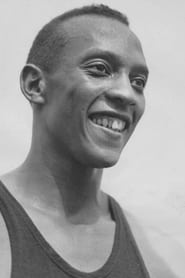
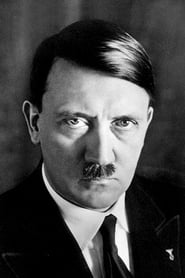
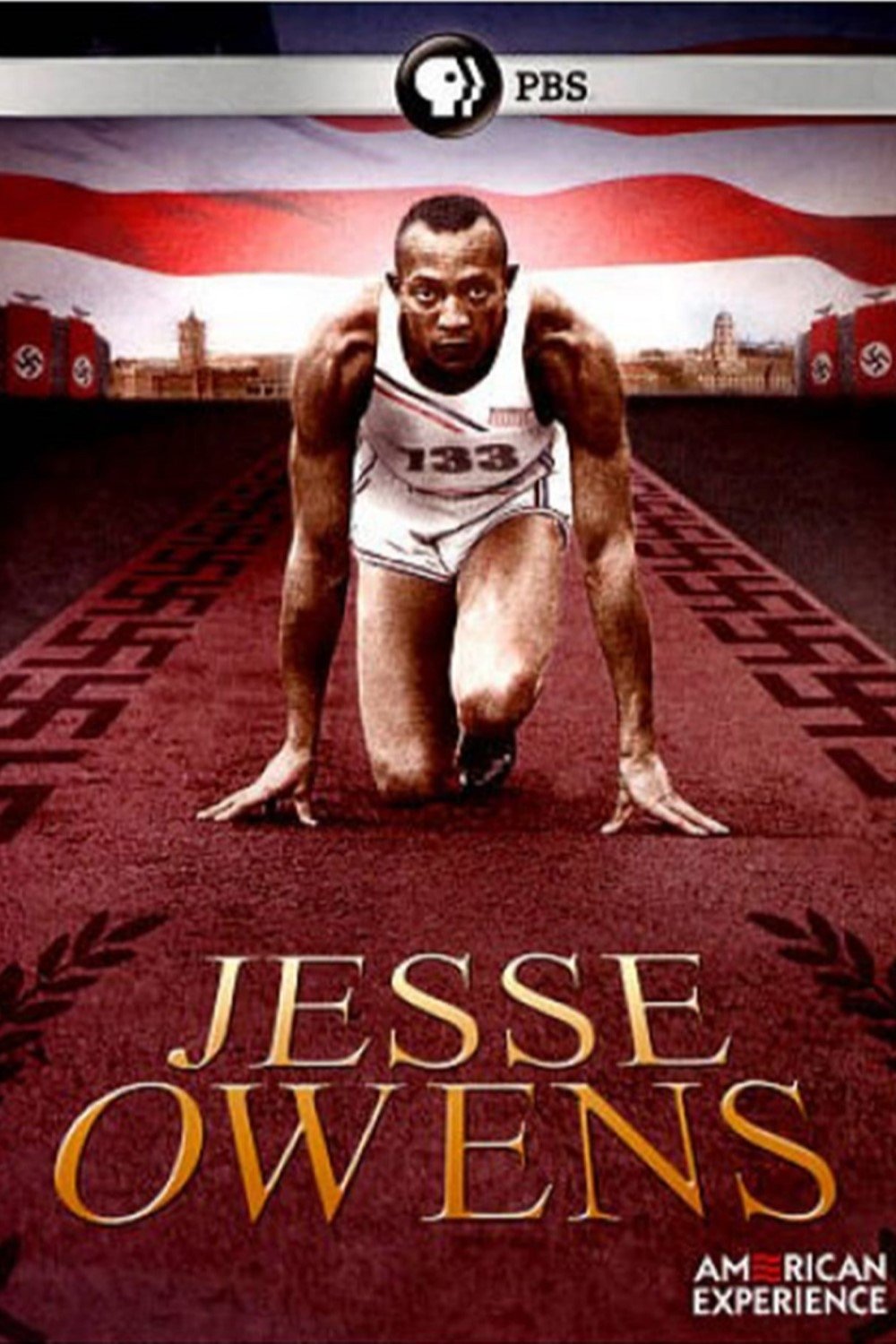
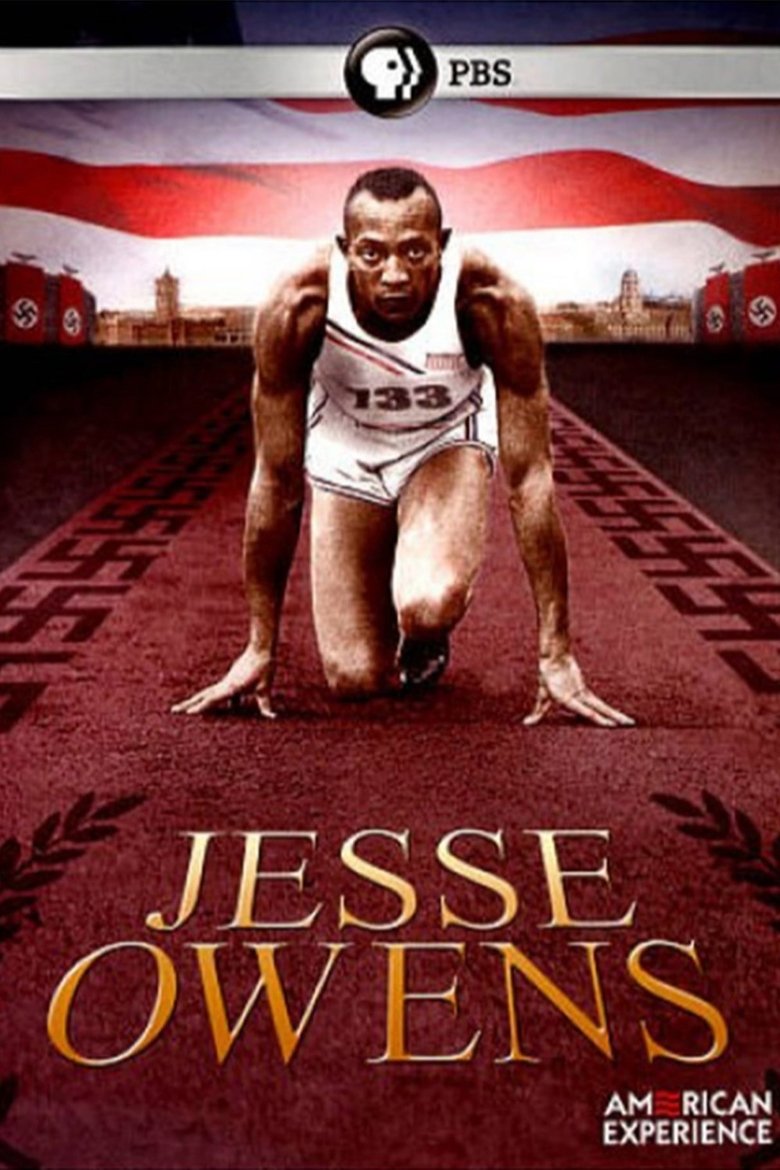
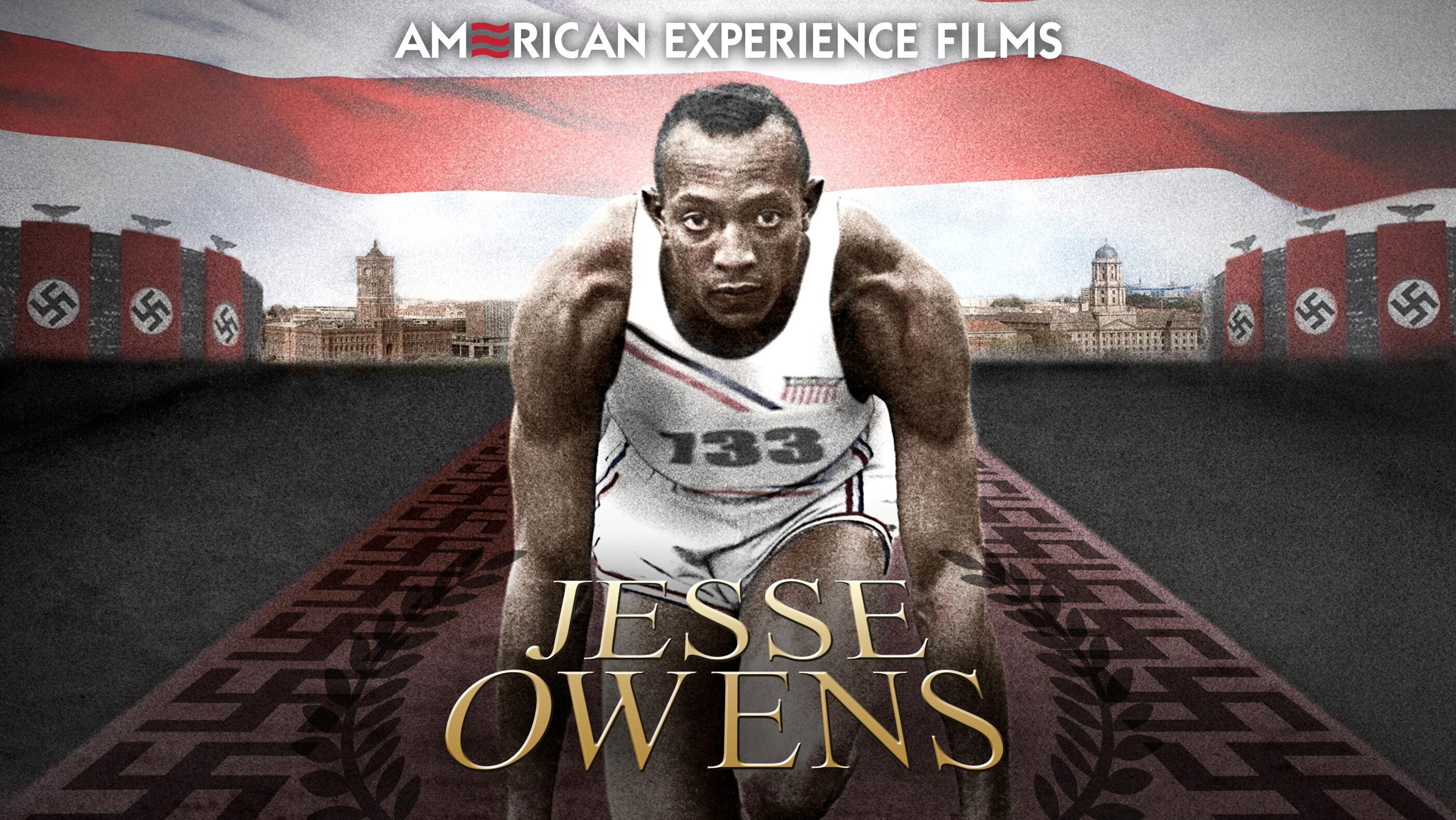
Jesse Owens details Jesse's early career; describes Adolf Hitler s outsized ambitions for the 1936 Olympics; explores the movement in Western democracies to boycott the event; and explains the pressures on Owens to attend. The film also explores why, despite his success in Germany, Owens struggled to find a place for himself in a United States that was still wrestling with its own deeply entrenched racism.
Director
Writer
Status
Released
Original Language
EN
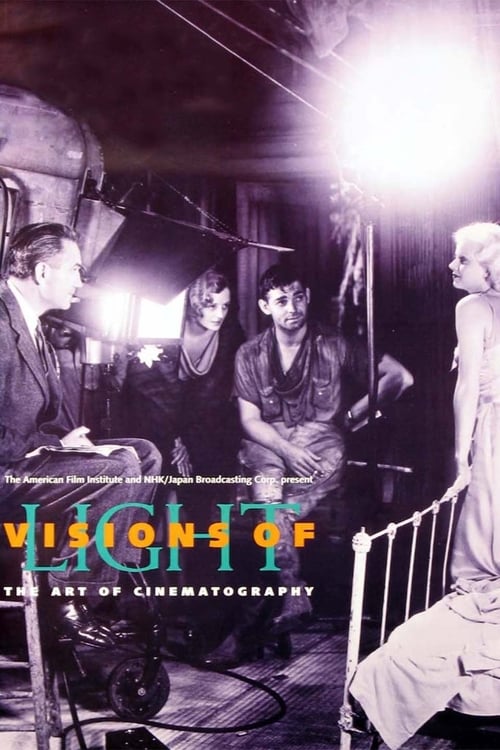
Cameramen and women discuss the craft and art of cinematography and of the "DP" (the director of photography), illustrating their points with clips from 100 films, from Birth of a Nation to Do the Right Thing. Themes: the DP tells people where to look; changes in movies (the arrival of sound, color, and wide screens) required creative responses from DPs; and, these artisans constantly invent new equipment and try new things, with wonderful results. The narration takes us through the identifiable studio styles of the 30s, the emergence of noir, the New York look, and the impact of Europeans. Citizen Kane, The Conformist, and Gordon Willis get special attention.