

User Score
8 votes
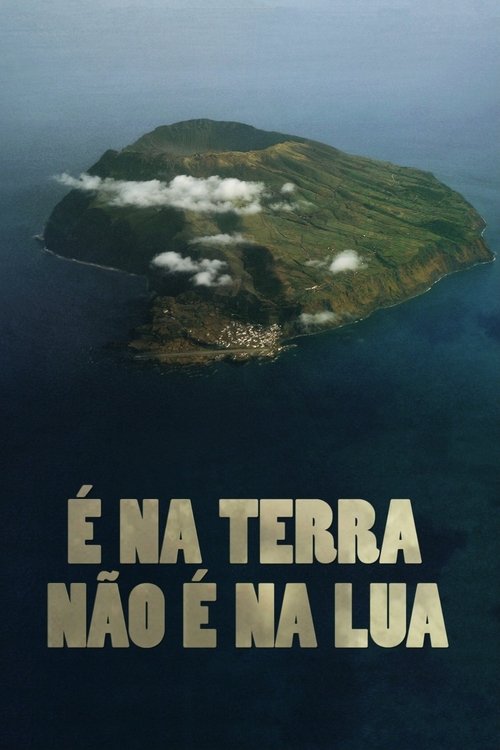
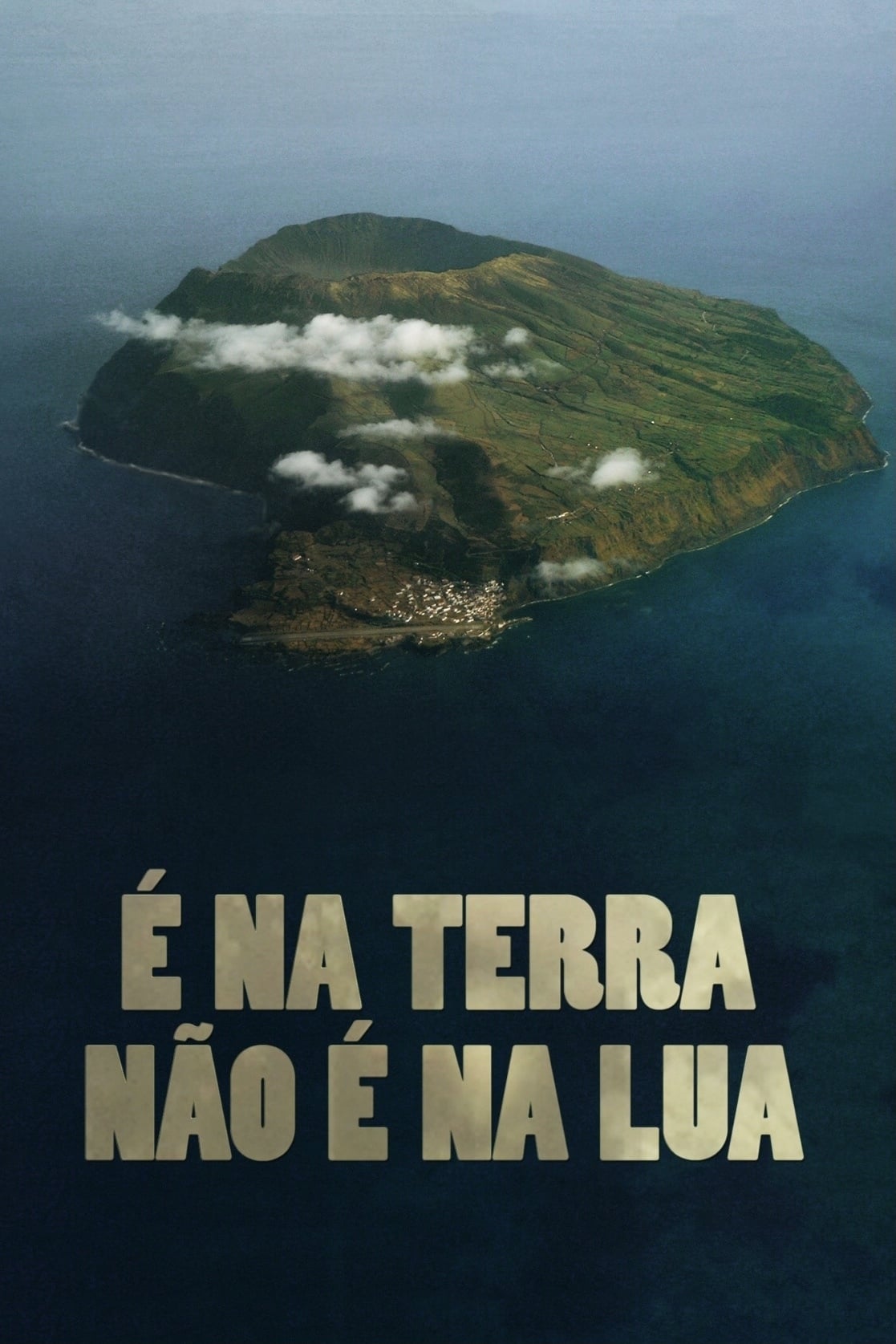
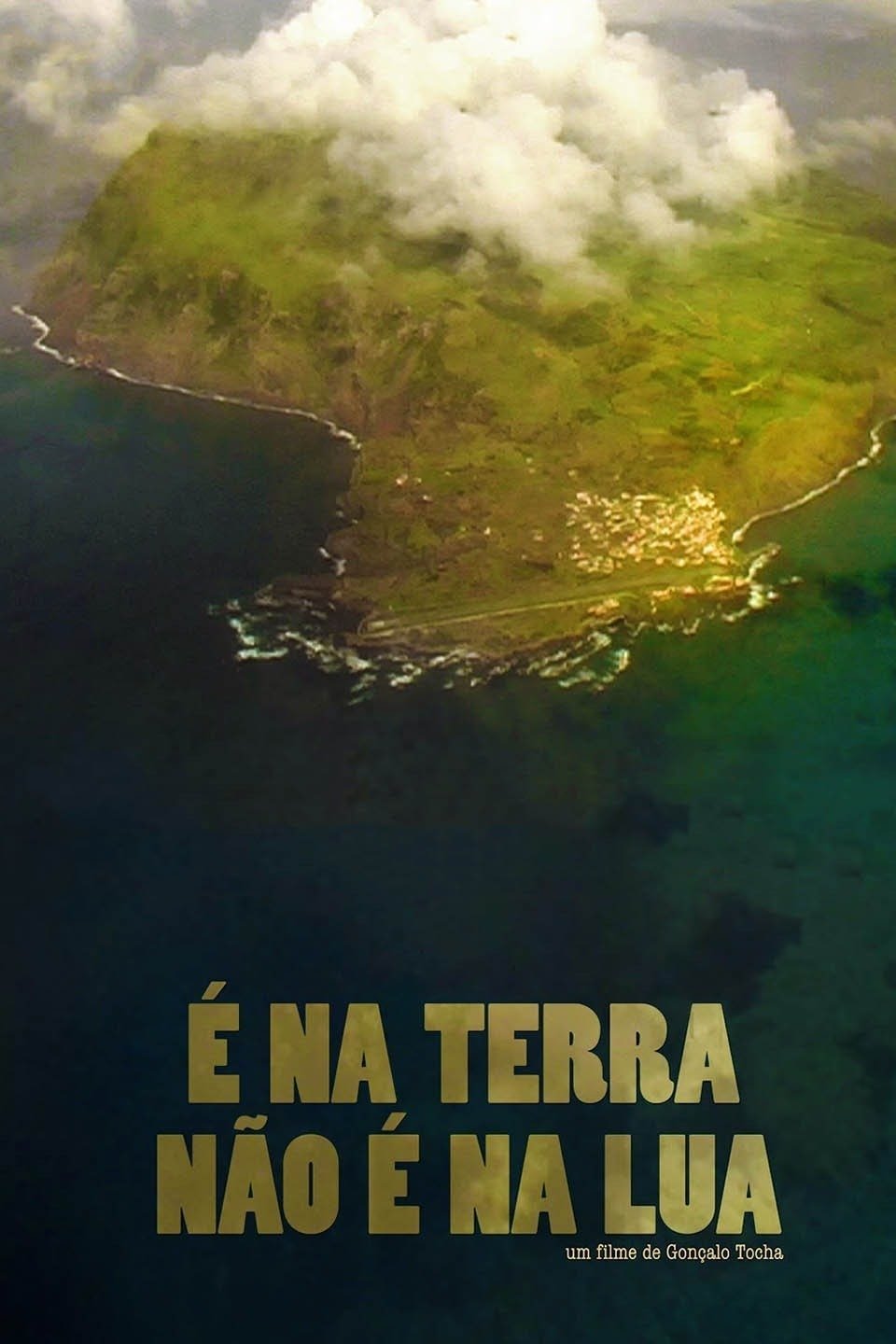
A cameraman and a soundman arrive in Corvo in 2007, the smallest island in the archipelago of the Azores. Right in the middle of the Atlantic Ocean, Corvo is a large rock, 6km high and 4km long, with the crater of a volcano and a single tiny village of 440 people. Gradually, this small filming crew is accepted by the island’s population as its new inhabitants, two people to add to a civilization almost 500 years old, whose history is hardly discernible, such is the lack of records and written memories. Shot at a vertiginous pace throughout a few years, self‐produced between arrivals, departures and coming‐backs, “It’s the Earth not the Moon” develops as the logbook of a ship, and turns out as a patchwork of discoveries and experiences, which follow the contemporary life of a civilization isolated in the middle of the sea. A long atlantic film‐odissey, divided in 14 chapters, that combines anthropological records, literature, lost archives, mythological and autobiographical stories.
Director
Status
Released
Original Language
PT
A documentary about how a dominant cultural and demographic institution both sustains their traditional activities and adapts to the digital revolution.