
User Score
7 votes
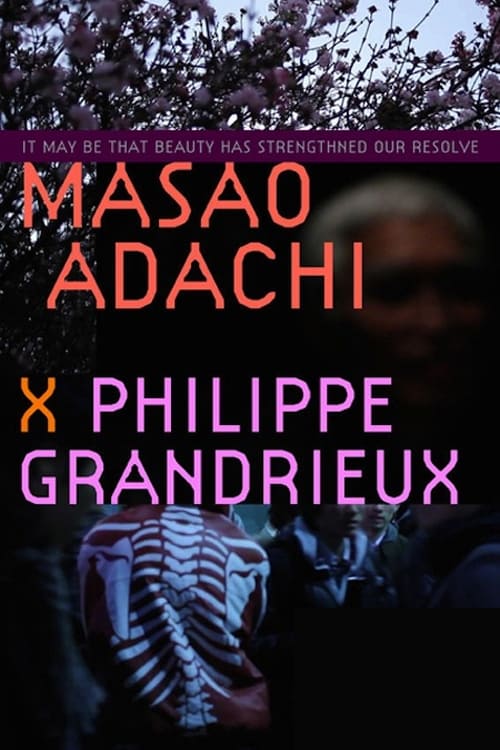
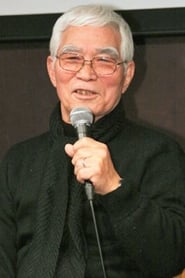
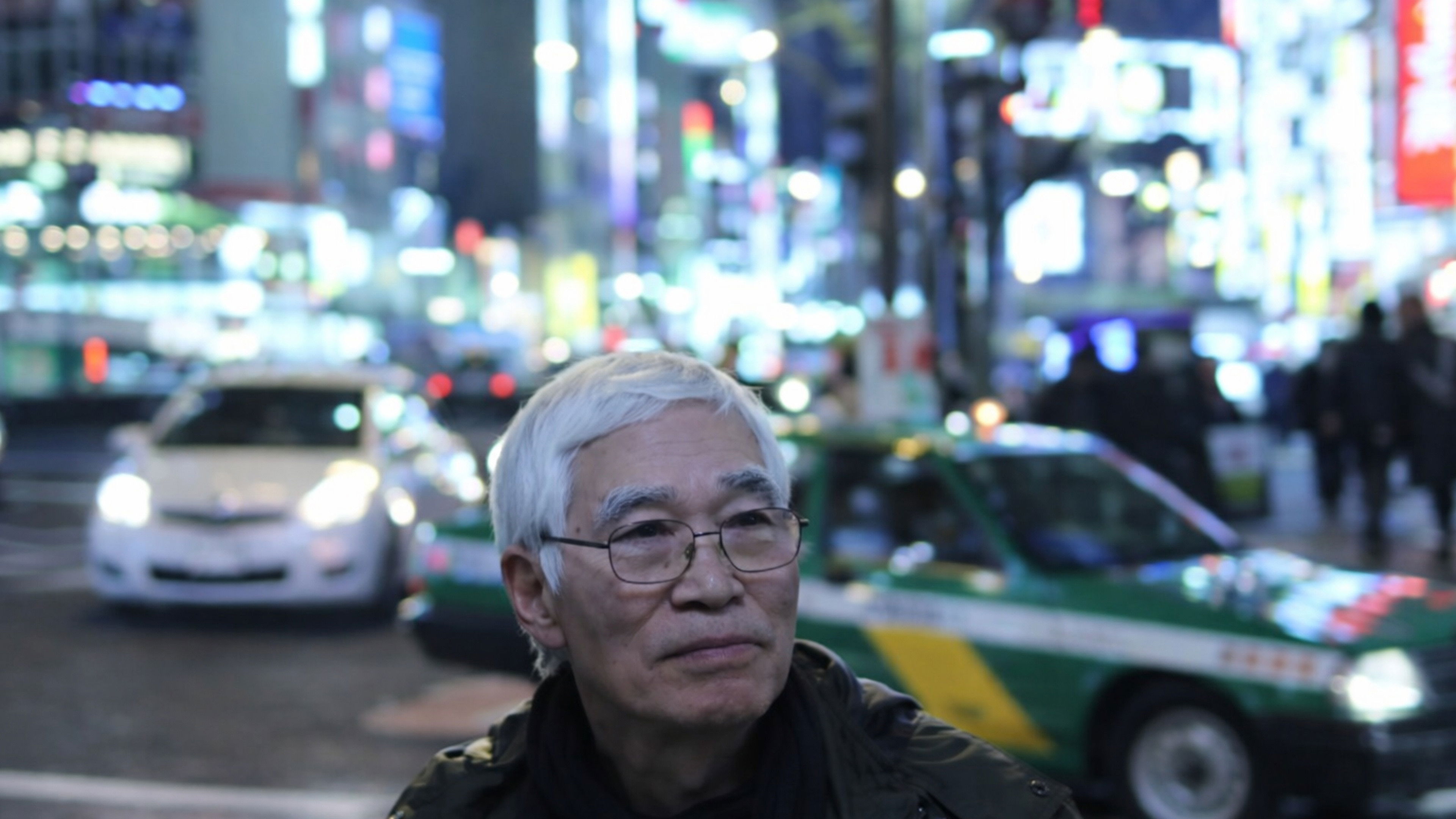
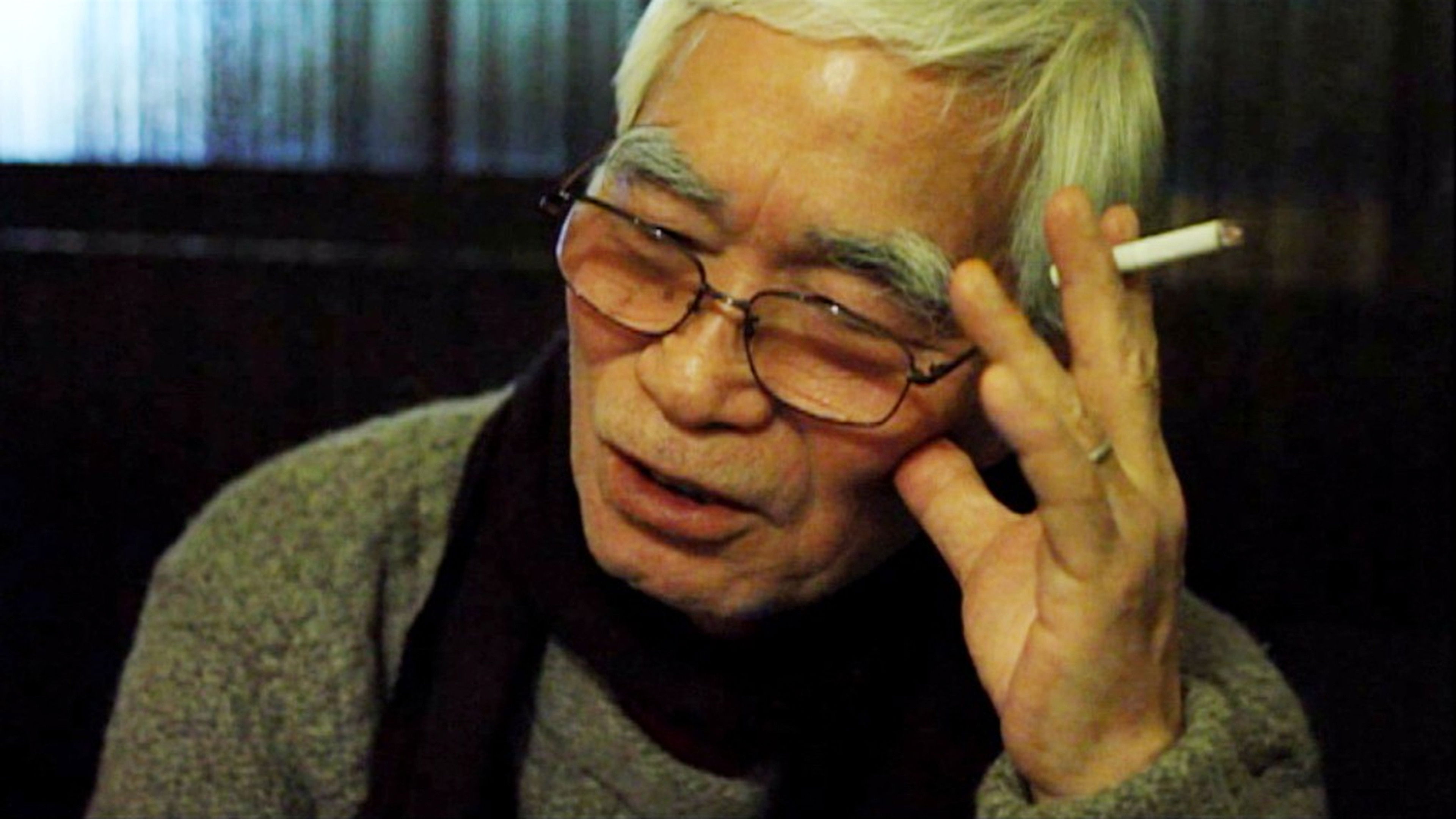
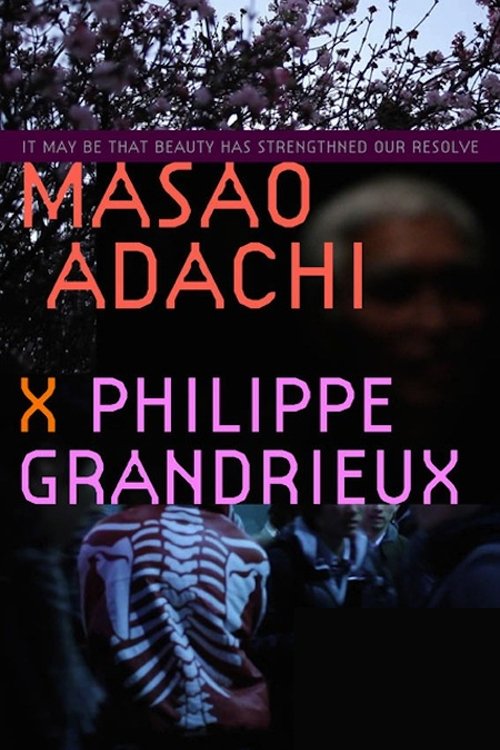
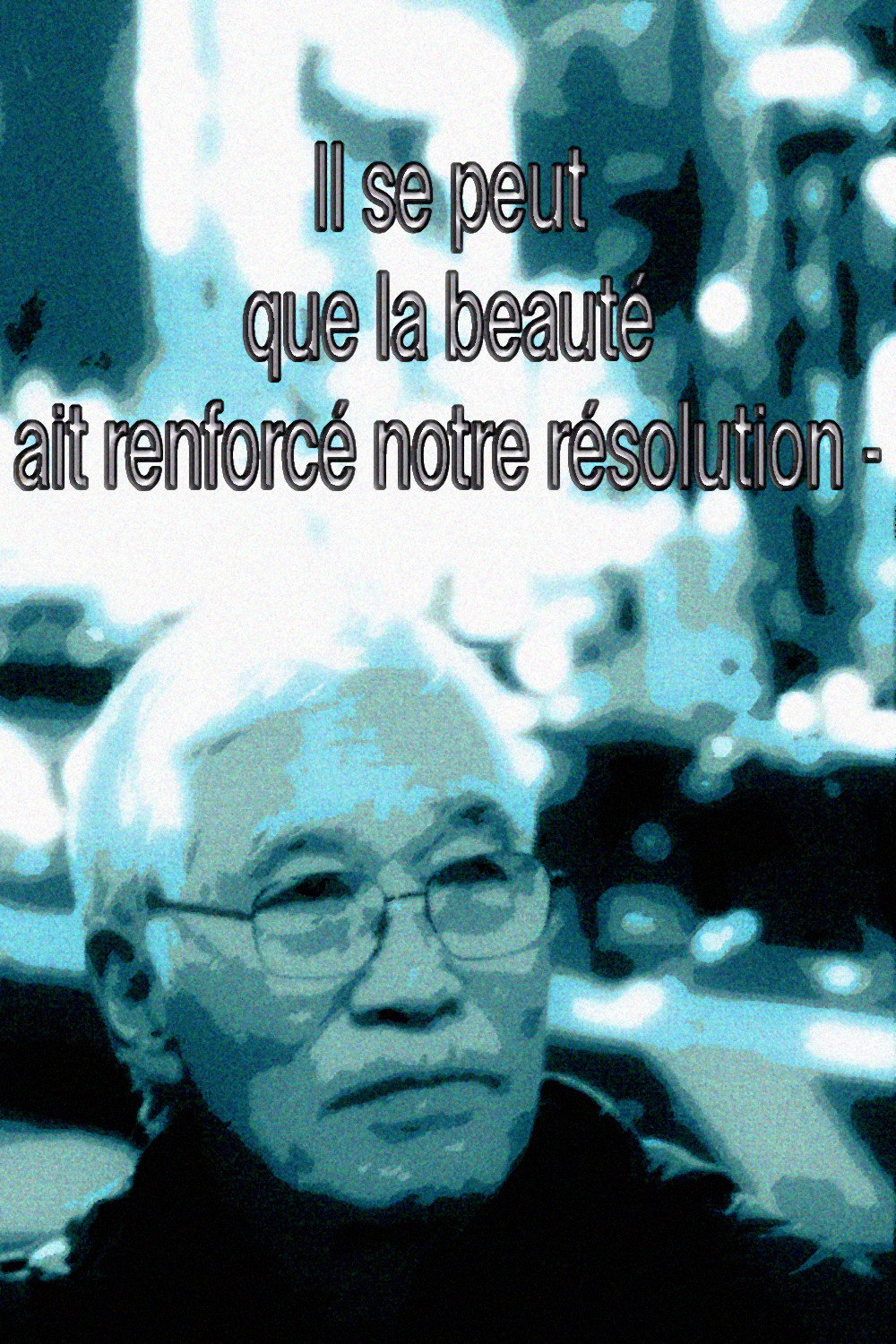
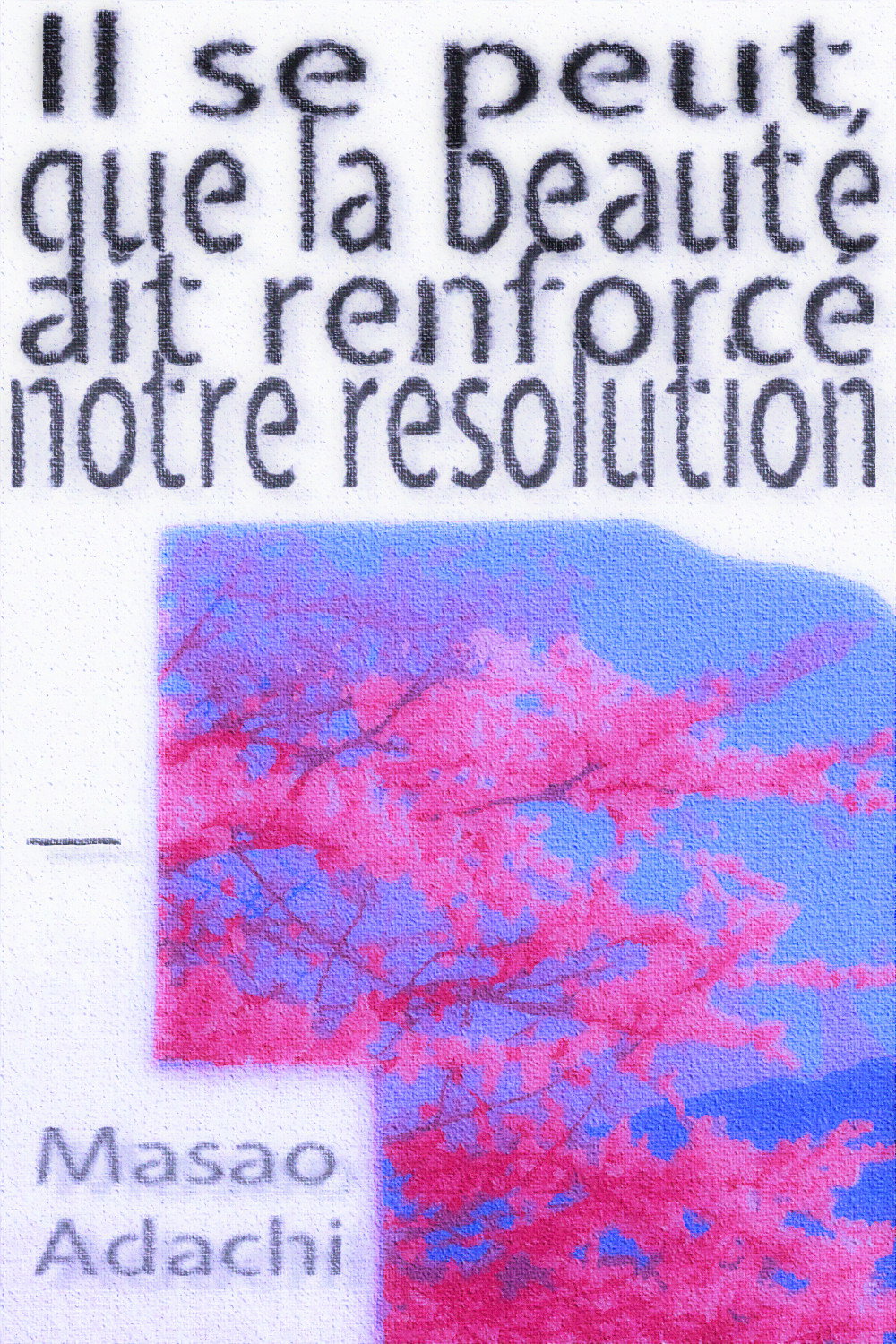
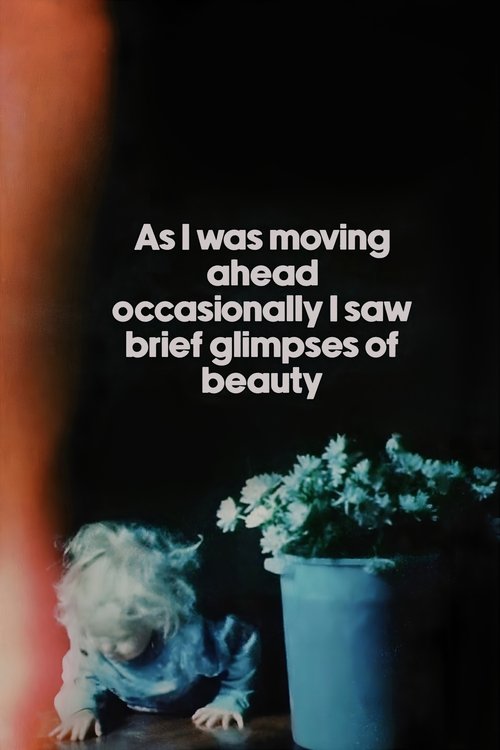
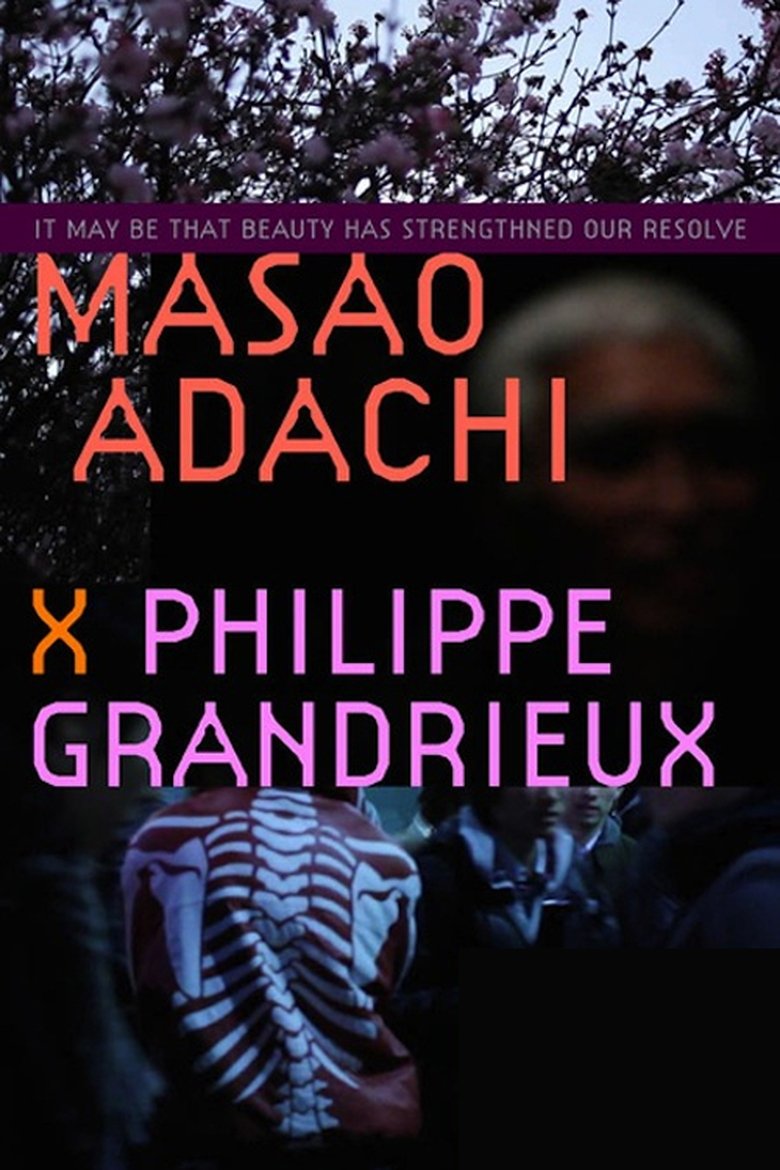
The first in a planned series of films about radical filmmakers by film critic Nicole Brenez and filmmaker Philippe Grandrieux, It May Be That Beauty Has Strengthened Our Resolve is a portrait of Masao Adachi, who emerged during the Japanese New Wave of the 1960s as a screenwriter for Nagisa Oshima and Koji Wakamatsu, and directed a series of avant-garde films that grafted radical politics to the sexploitation genre. A 1971 visit to a Popular Front for the Liberation of Palestine (PFLP) training camp while on the way back from Cannes resulted in Adachi's most infamous film, the agit-prop documentary Red Army/PFLP: Declaration of World War, which he co-directed with Wakamatsu. Soon after, Adachi joined a splinter cell of the Japanese Red Army in Lebanon, where he stayed from 1974 until he was deported to Japan in 1997 to serve time for passport violations.
Director
Status
Released
Original Language
FR
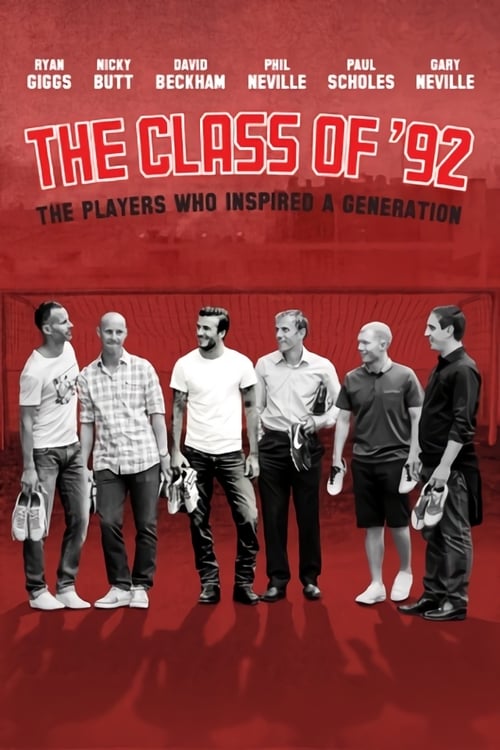
A detailing of the rise to prominence and global sporting superstardom of six supremely talented young Manchester United football players (David Beckham, Nicky Butt, Ryan Giggs, Paul Scholes, Phil and Gary Neville). The film covers the period 1992-1999, culminating in Manchester United's European Cup triumph.