
User Score
2 votes
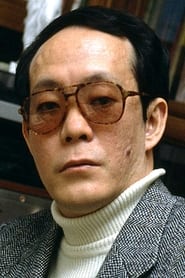
“Issei Sagawa murdered an innocent woman and spent three days eating her flesh. Due to loopholes in the law, Issei is a free man to this day.”
Issei Sagawa murdered an innocent woman and spent three days eating her flesh. Due to loopholes in the law, Issei is a free man to this day. Sagawa was declared insane and unfit for trial and was institutionalized in Paris. His incarceration was to be short, however, as the French public soon grew weary of their hard-earned francs going to support this evil woman-eater, and Issei was promptly deported. Herein followed a bizarre and seemingly too convenient set of legal loopholes and psychiatric reports that led doctors in Japan declaring him "sane, but evil." On August 12, 1986, Sagawa checked himself out of Tokyo's Matsuzawa Psychiatric hospital, and has been a free man ever since.
Director
Status
Released
Original Language
EN

When Allied forces liberated the Nazi concentration camps in 1944-45, their terrible discoveries were recorded by army and newsreel cameramen, revealing for the first time the full horror of what had happened. Making use of British, Soviet and American footage, the Ministry of Information’s Sidney Bernstein (later founder of Granada Television) aimed to create a documentary that would provide lasting, undeniable evidence of the Nazis’ unspeakable crimes. He commissioned a wealth of British talent, including editor Stewart McAllister, writer and future cabinet minister Richard Crossman – and, as treatment advisor, his friend Alfred Hitchcock. Yet, despite initial support from the British and US Governments, the film was shelved, and only now, 70 years on, has it been restored and completed by Imperial War Museums under its original title "German Concentration Camps Factual Survey".

The Making-of James Cameron's Avatar. It shows interesting parts of the work on the set.