
User Score
9 votes
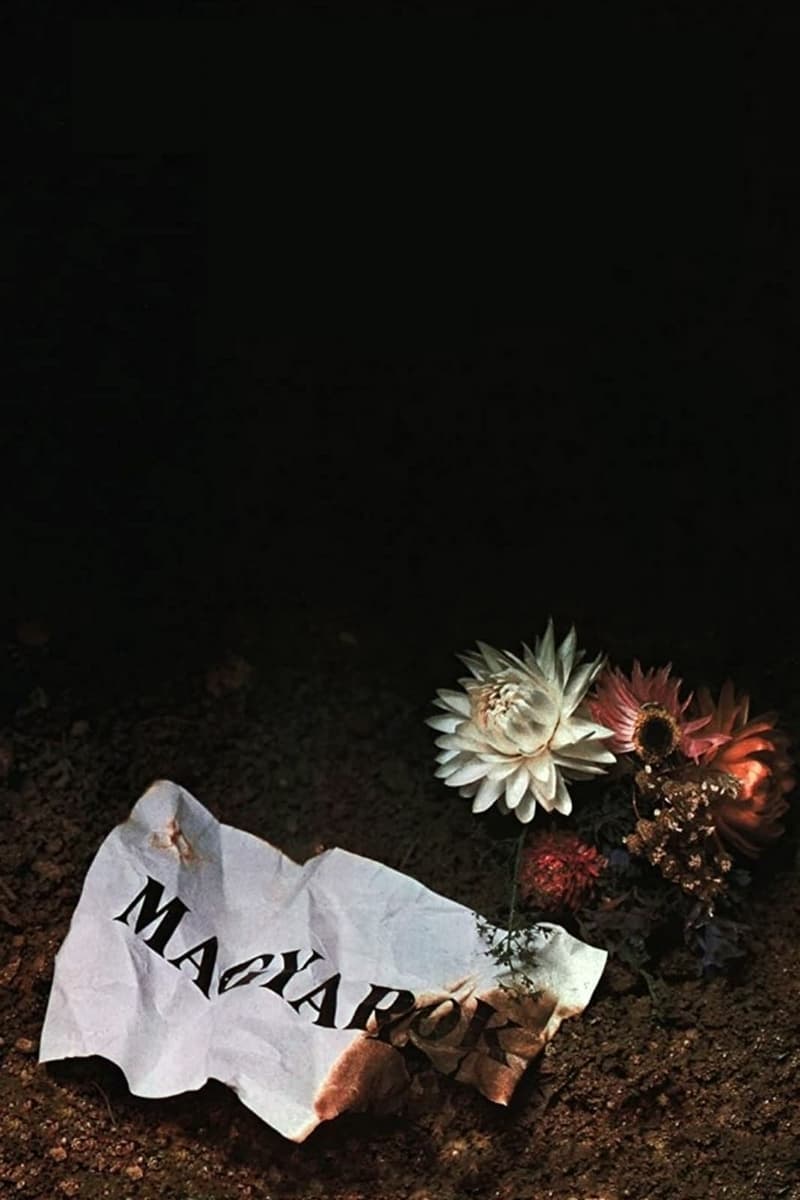
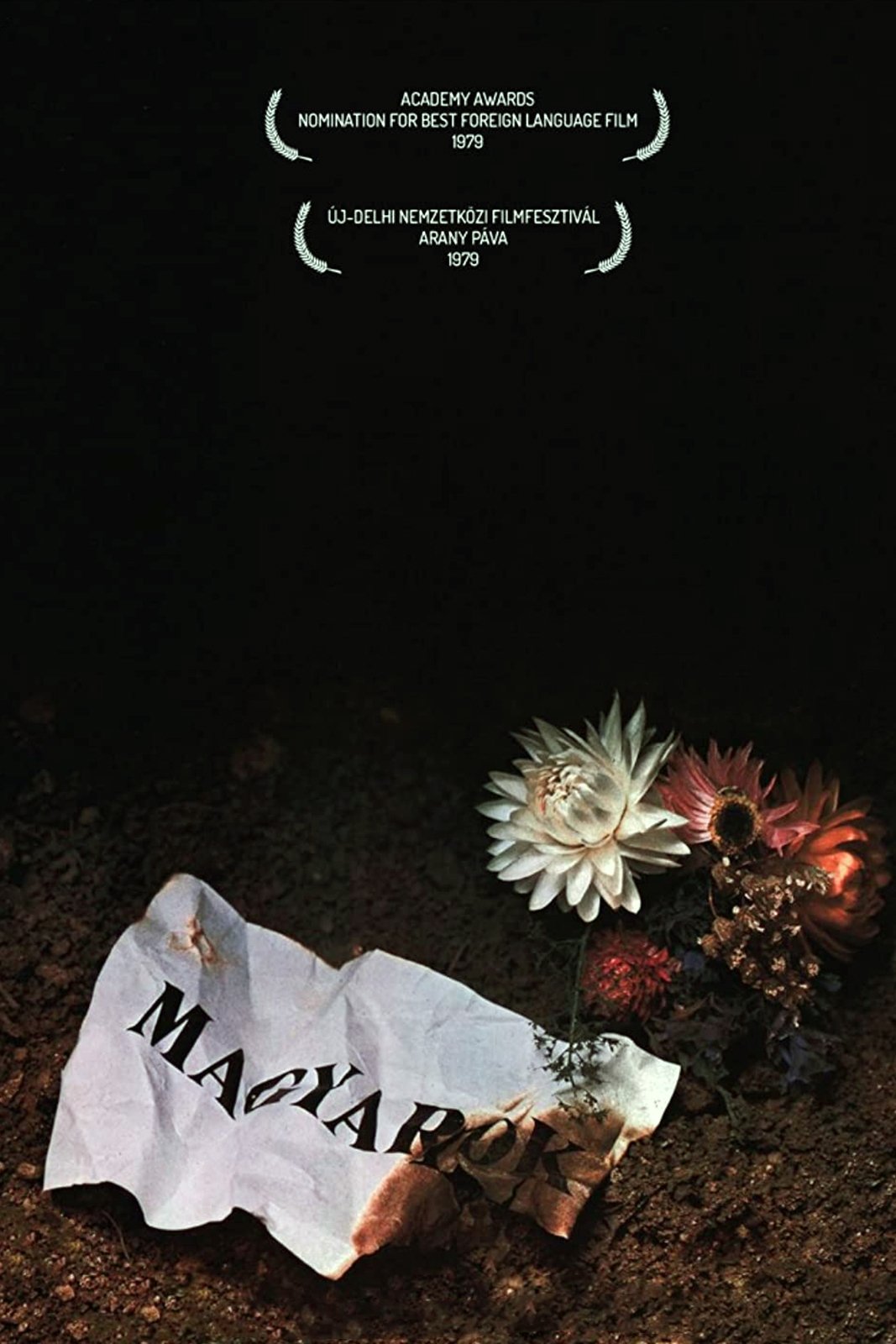
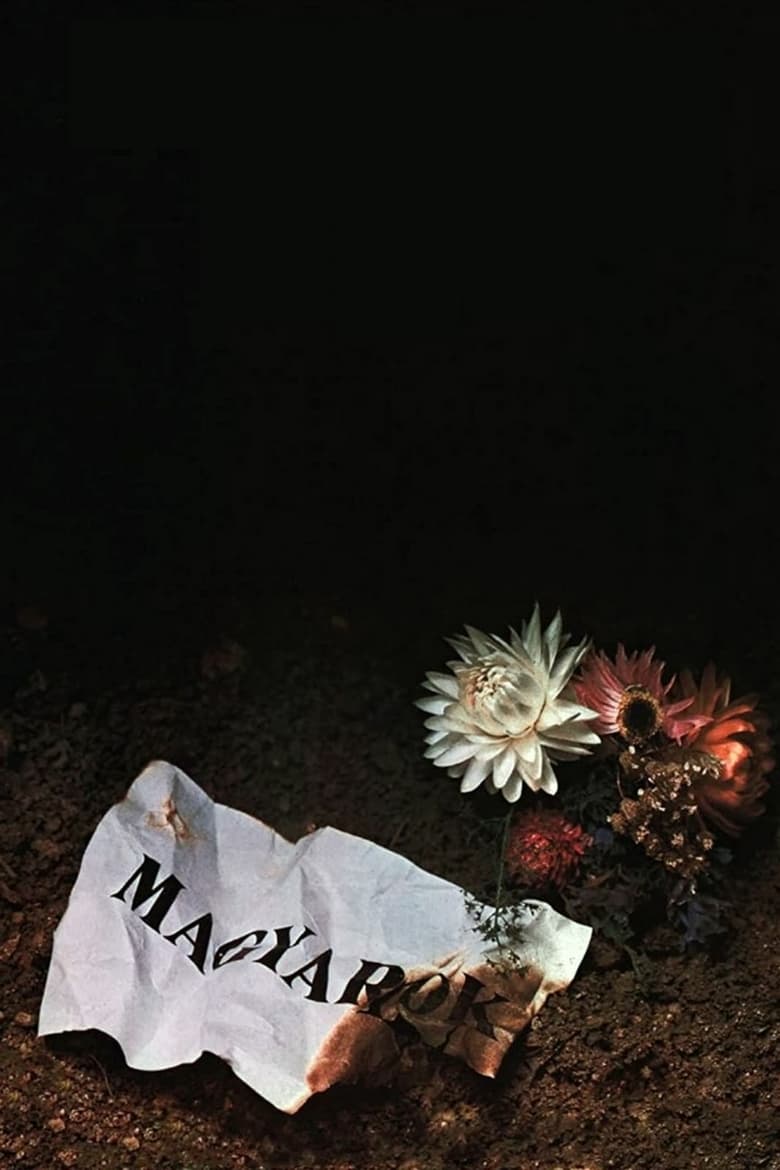
A group of landless Hungarian peasants accept work as migrant-laborers on a farm in northern Germany where the wages are good, and the wives and family are allowed to accompany them. Though it is in the midst of World War II, they are relatively well-off. However, they glimpse the treatment accorded to POWs and others who are not so gently treated, and at the conclusion of the year's harvest, they choose to return to Hungary and are quickly swept up in the tides of war. This film is part of a series of films by award-winning, well-respected director Zoltan Fabri who devoted much time and effort chronicling the struggle against fascism.
Director
Writer
Status
Released
Original Language
HU
Gáspár Dániel
Based on the writer/director's childhood, FARMING tells the story of a young Nigerian boy, 'farmed out' by his parents to a white British family in the hope of a better future. Instead, he becomes the feared leader of a white skinhead gang.