
User Score
0 votes
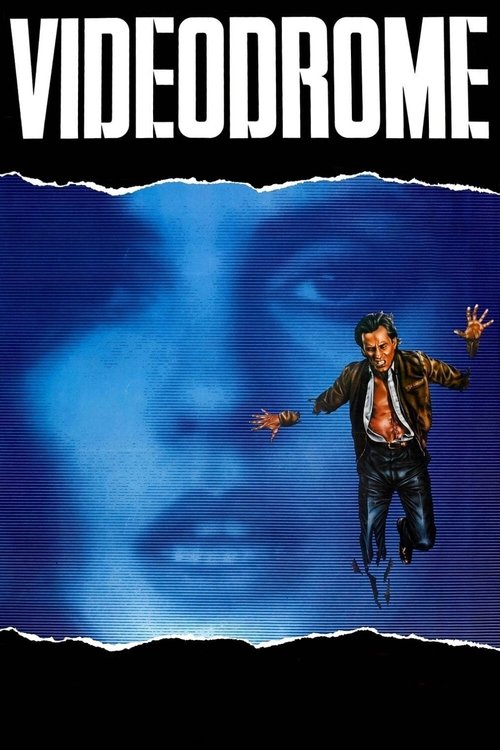
Perhaps no artist and fellow media theorist worked so fastidiously in the vein of McLuhan as Douglas Davis, albeit directly contrary to what he described as McLuhan’s “apocalyptic” message when he proclaimed, “The medium is not the message. You and I, in all our obstinate, unpredictable glory and complexity, are the message. The ultimate power lies on this, the other side of the TV screen, in the eye and mind of the viewer who can increasingly become the actor.” This performative broadcast – which also functions somewhat as a mini-retrospective of other classic Davis pieces – features Davis’s self-described “investigation into a kind of denial of the physical reality of the medium…[putting] the control over the medium…back into the hands of the human imagination.” Likewise, it directly contradicts VIDEODROME’s association of television and sexuality with pain and control. Whether it does so effectively is up to the viewer…
Director
Status
Released
Original Language
EN
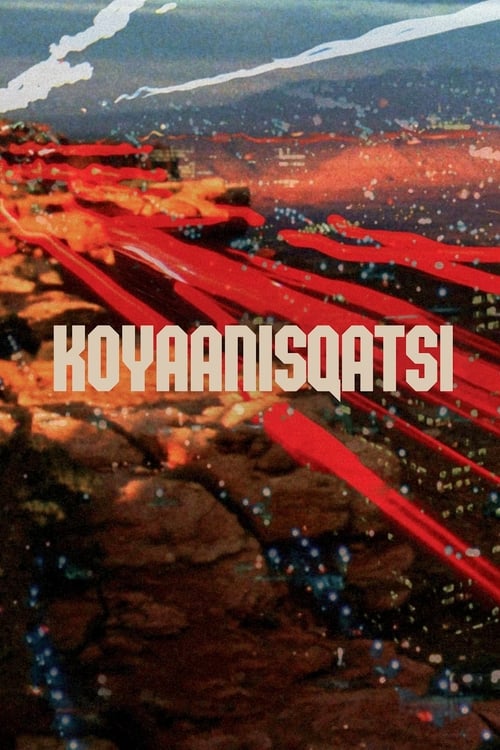
Takes us to locations all around the US and shows us the heavy toll that modern technology is having on humans and the earth. The visual tone poem contains neither dialogue nor a vocalized narration: its tone is set by the juxtaposition of images and the exceptional music by Philip Glass.