
User Score
0 votes
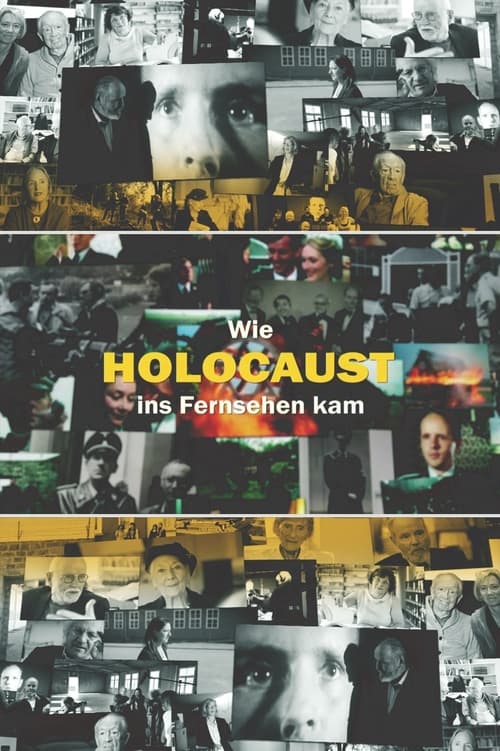
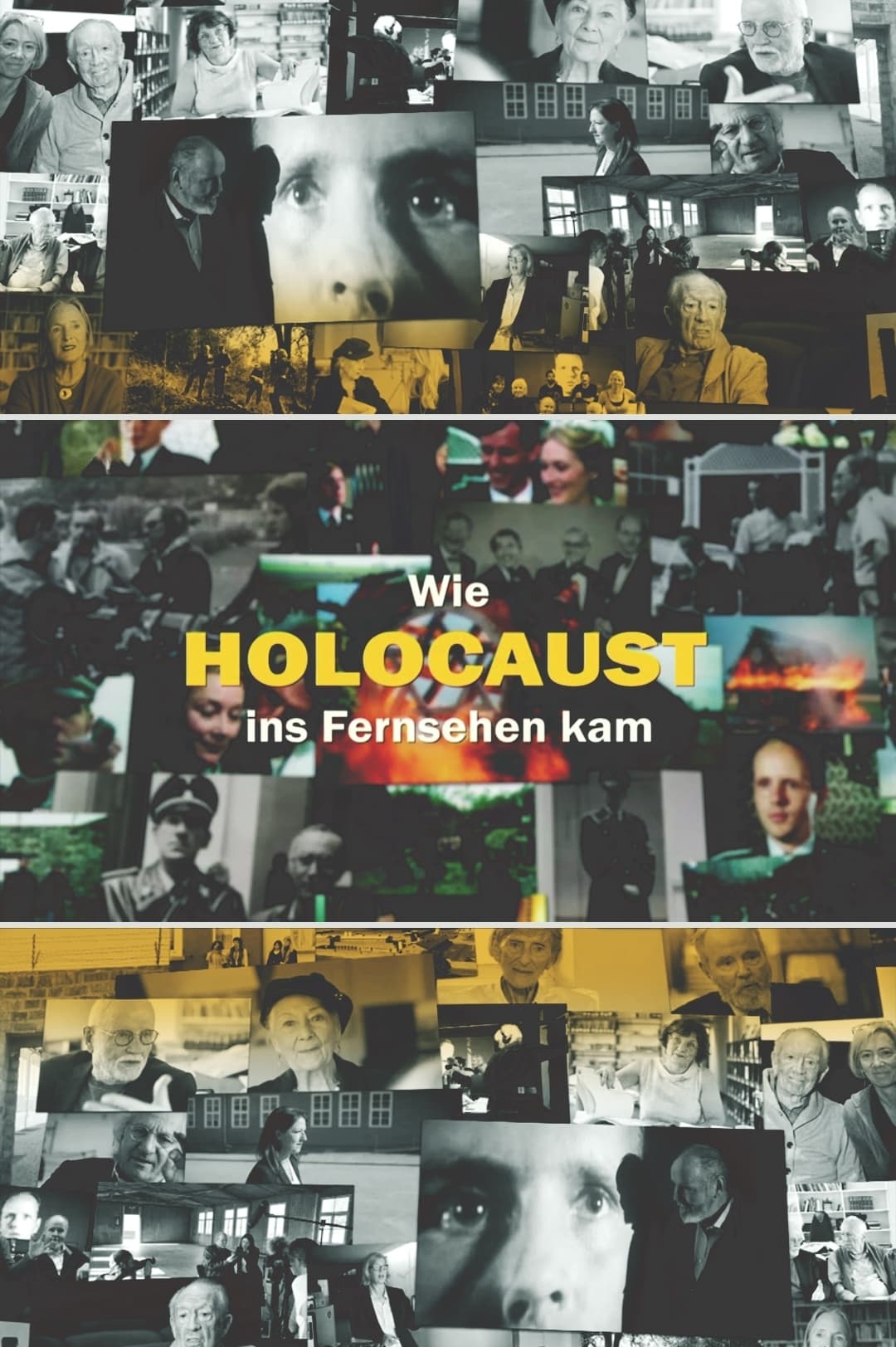
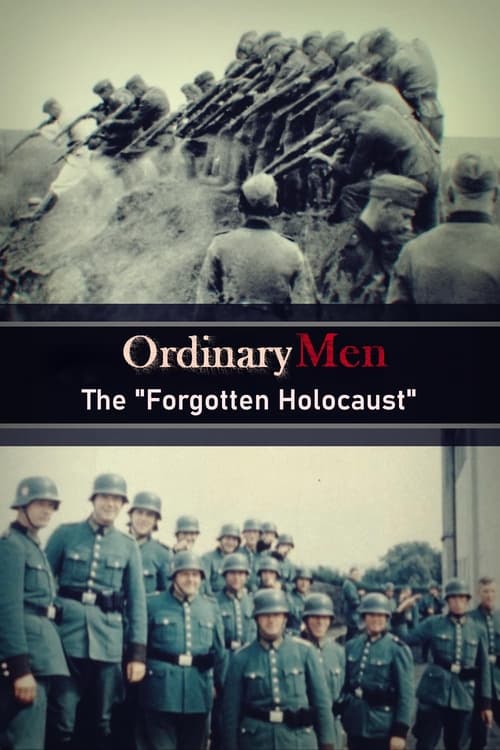
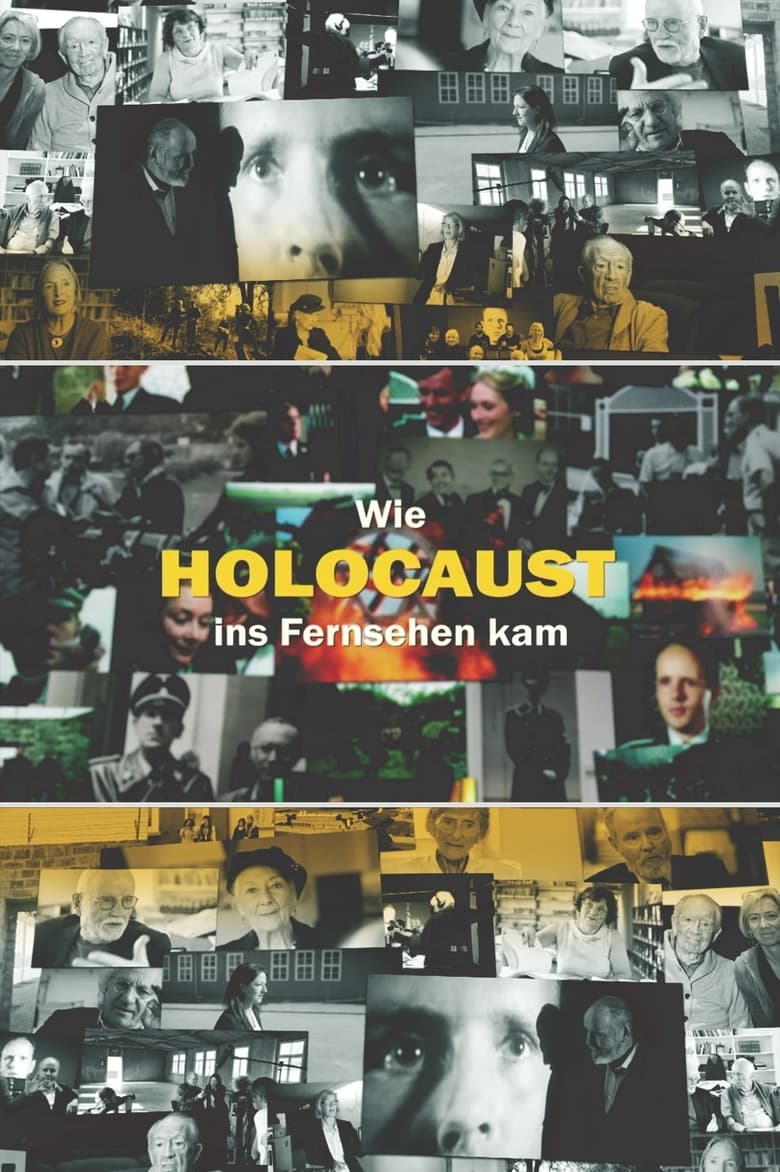
At the beginning of 1979, after more than 30 years of collective repression, a dramatized and emotional US television miniseries ensured that the German population was suddenly reminded of the terrible Nazi crimes against the Jews. What is now expressed with the hitherto unknown word Holocaust, hits many millions of people in the heart. The unexpected echo and the audience reactions were fierce. Even before the TV broadcast neo-Nazis blasted in vain transmitting towers in Germany to prevent this. From the creation and the shooting over the broadcast to the tremendous reactions, documentary filmmaker Alice Agneskirchner tells the story of this emotional television event, which led to a paradigm shift in the perception of German Nazi crimes.
Director
Status
Released
Original Language
DE
Self
When Allied forces liberated the Nazi concentration camps in 1944-45, their terrible discoveries were recorded by army and newsreel cameramen, revealing for the first time the full horror of what had happened. Making use of British, Soviet and American footage, the Ministry of Information’s Sidney Bernstein (later founder of Granada Television) aimed to create a documentary that would provide lasting, undeniable evidence of the Nazis’ unspeakable crimes. He commissioned a wealth of British talent, including editor Stewart McAllister, writer and future cabinet minister Richard Crossman – and, as treatment advisor, his friend Alfred Hitchcock. Yet, despite initial support from the British and US Governments, the film was shelved, and only now, 70 years on, has it been restored and completed by Imperial War Museums under its original title "German Concentration Camps Factual Survey".