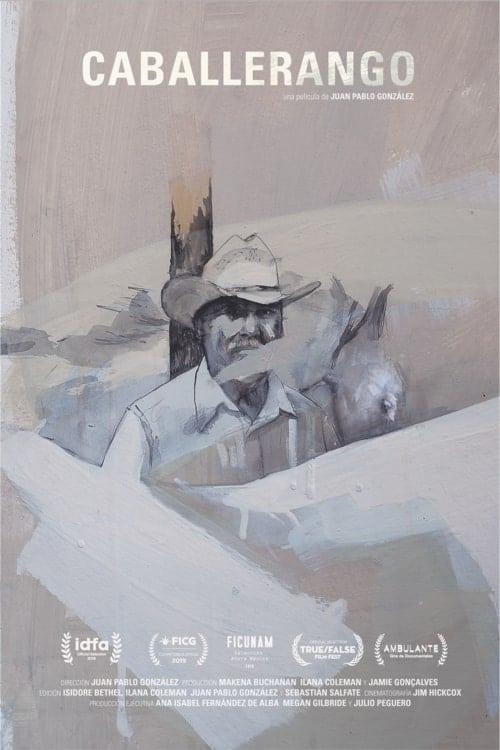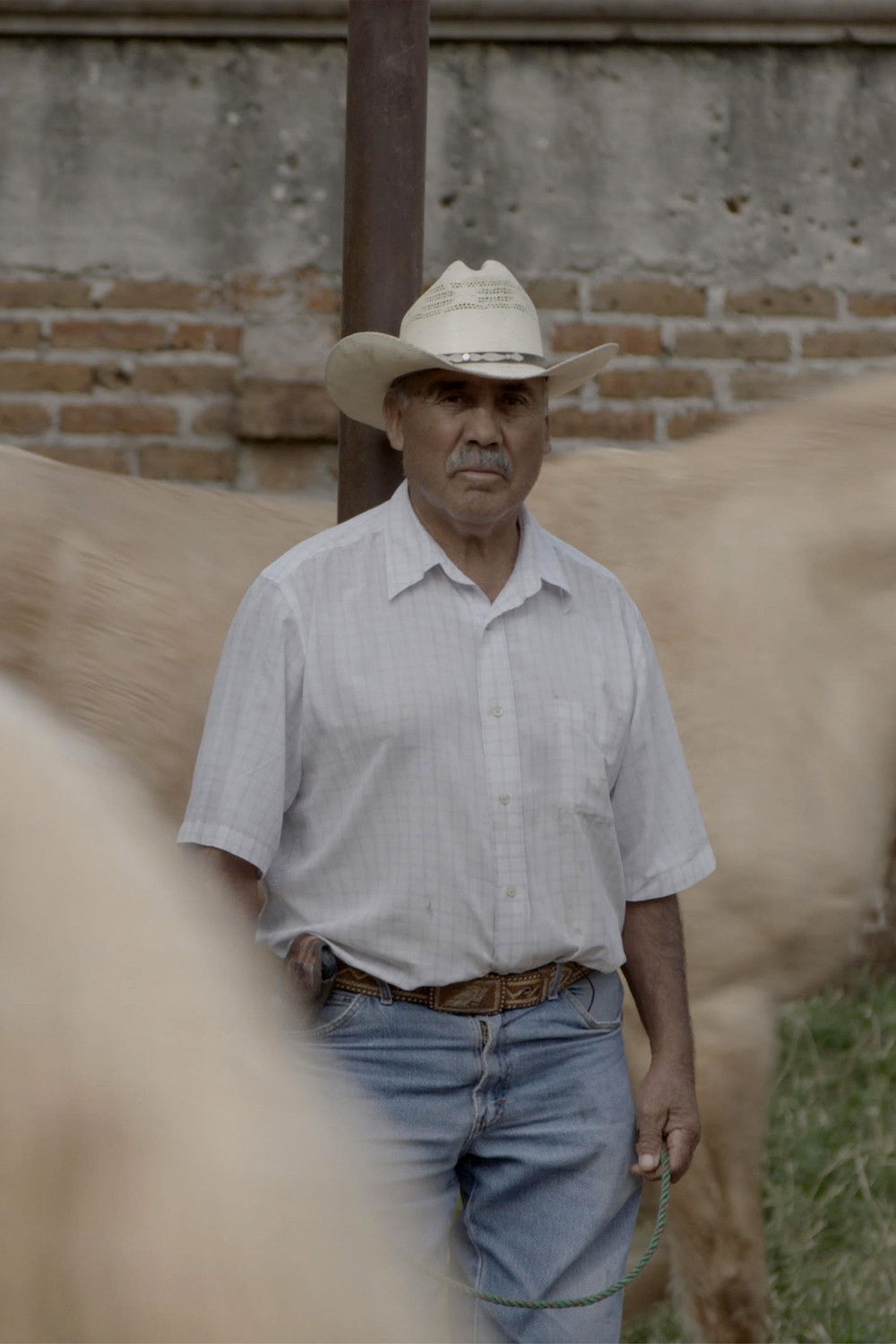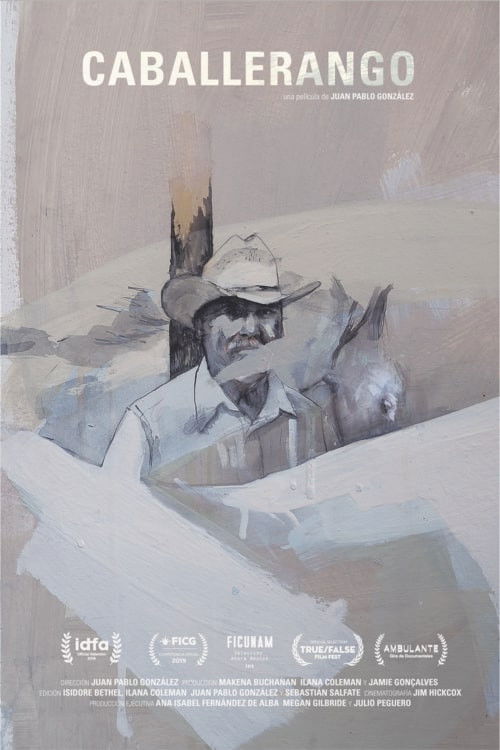
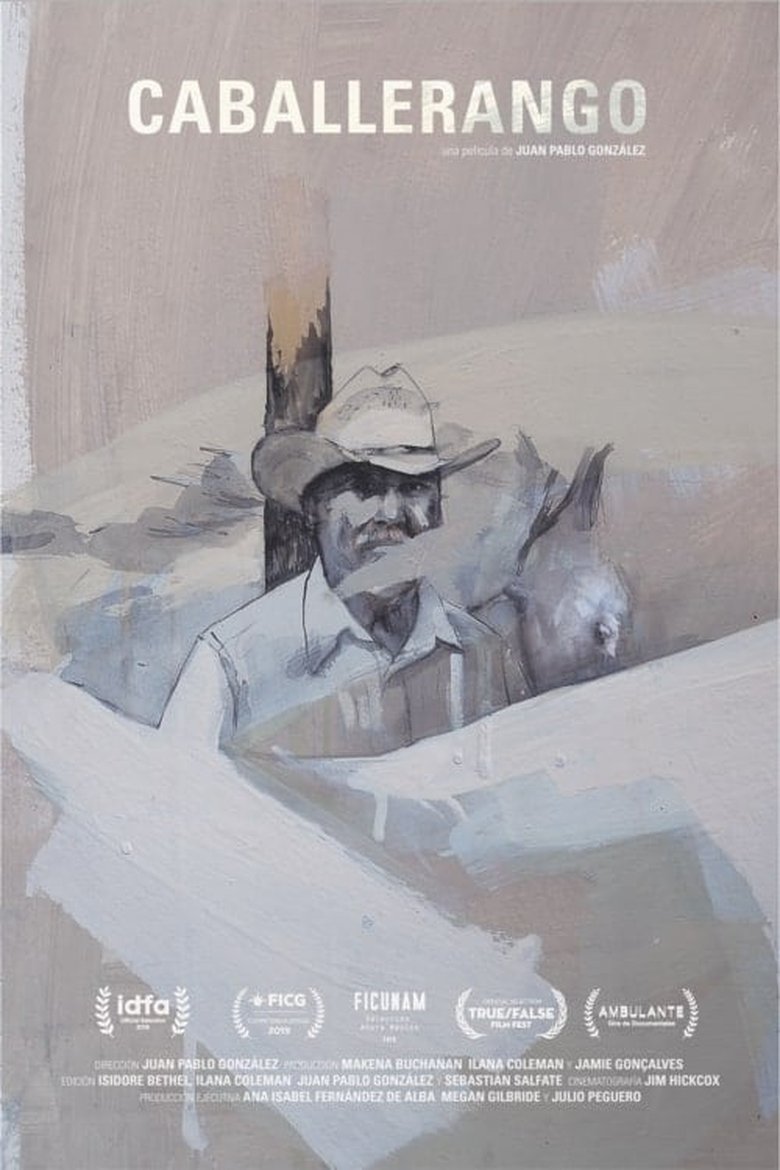
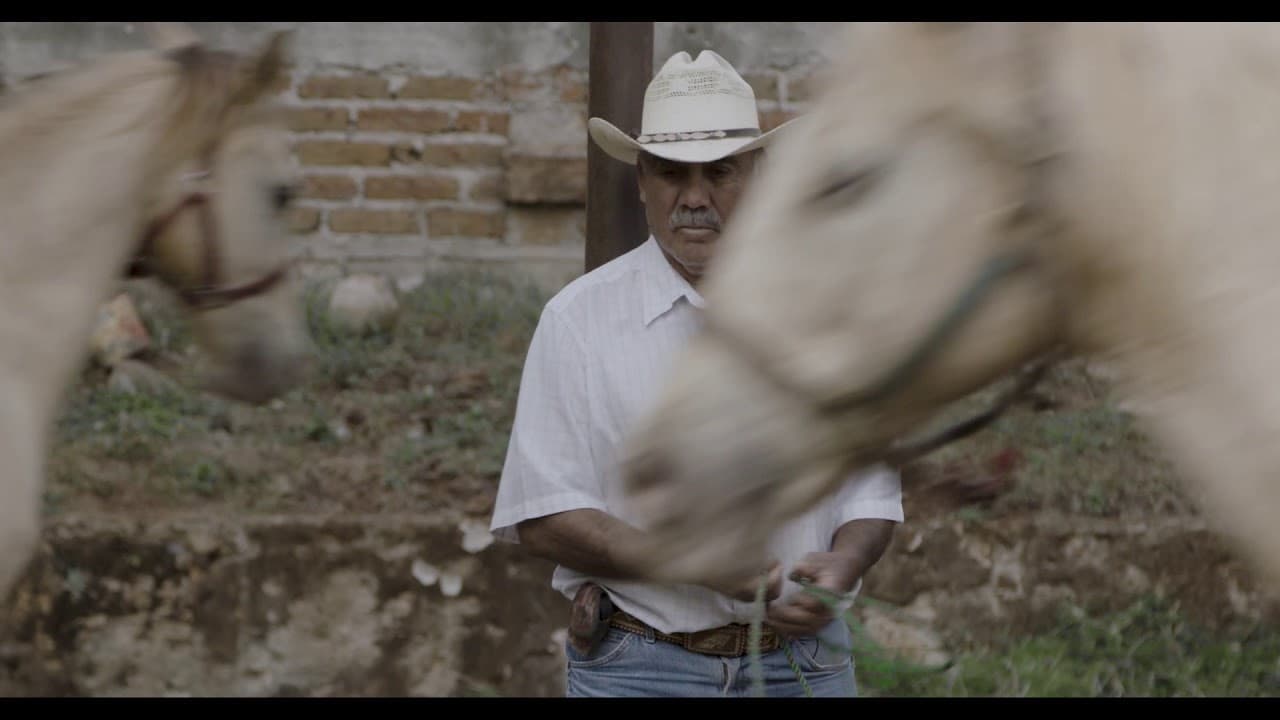
Nando, a young horse wrangler in a rural Mexican village, has taken his own life following a disagreement with his father. Caballerango shows the boy’s family members and townspeople as they reckon with the new realities borne out of this inexplicable tragedy. Each account of Nando’s story reveals a different aspect of this rural town, which is deeply affected by modernization. The confrontation between the centuries-old ways of life and the modern-day world seems to be creating serious identity crises among the younger generation. The story is told in a patient, observational style with methodical shots of the landscape, ranches, and of the two white horses, whom Nando and his father tended to. Those horses, the last to see Nando alive, connect us to an ethereal sensation of almost otherworldly mystical beings.
Director
Status
Released
Original Language
ES
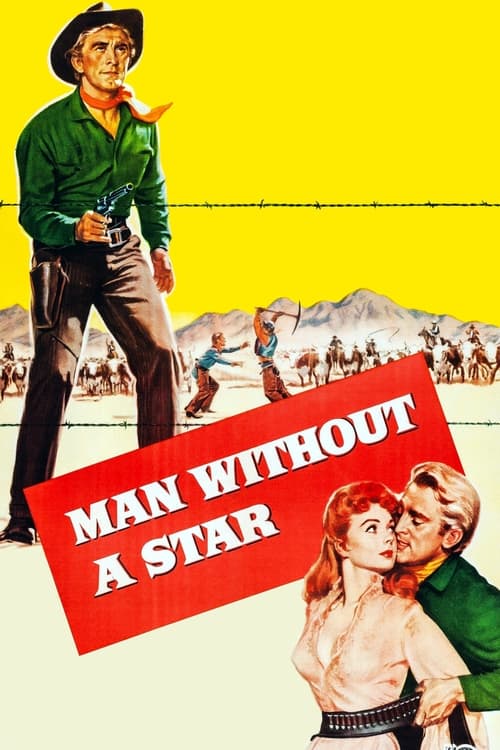
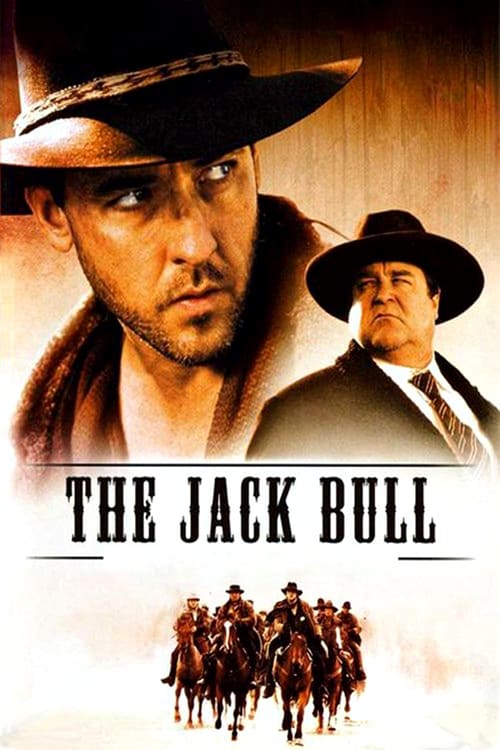
A cattle-vs.-sheepman feud loses Connie Dickason her fiance, but gains her his ranch, which she determines to run alone in opposition to Frank Ivey, "boss" of the valley, whom her father Ben wanted her to marry. She hires recovering alcoholic Dave Nash as foreman and a crew of Ivey's enemies. Ivey fights back with violence and destruction, but Dave is determined to counter him legally... a feeling not shared by his associates. Connie's boast that, as a woman, she doesn't need guns proves justified, but plenty of gunplay results.