
User Score
0 votes
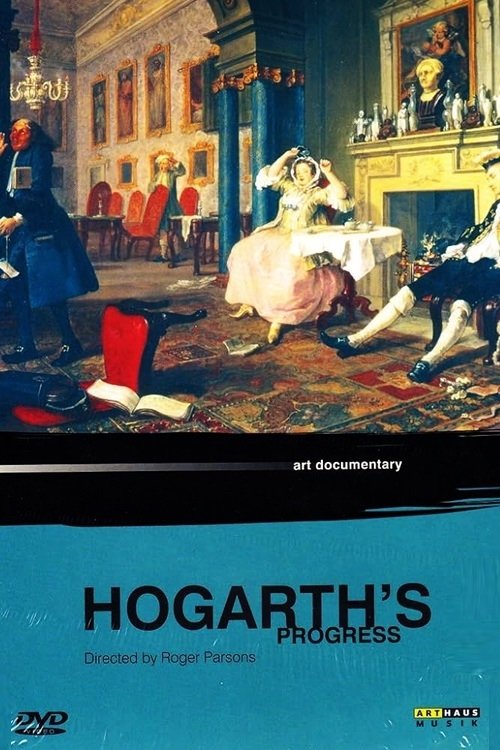
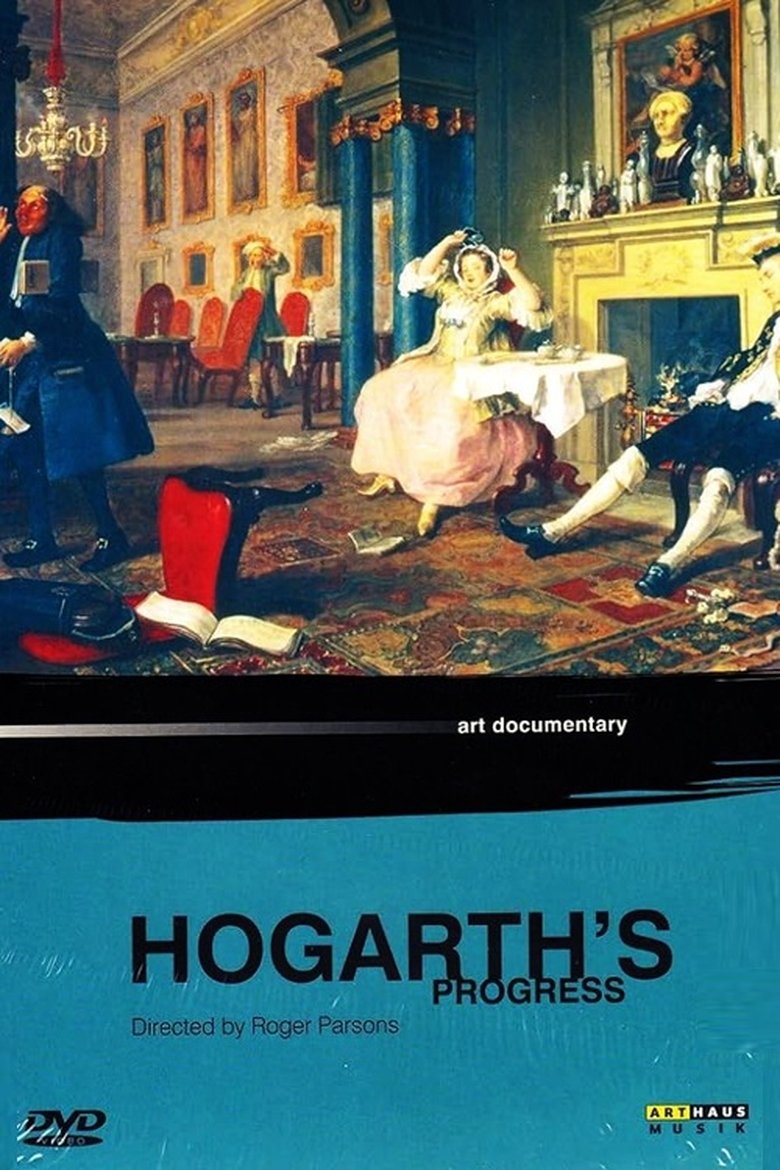
Satirical, critical, talented – William Hogarth was one of the most original British artists of the 18th Century. The son of a poor schoolmaster made a name for himself as a portraitist and became best known for his satirical etchings. In strange and graphic tales, such as A Harlot's Progress, he denounced the social and political injustices of his time. Often pirated, Hogarth fought for the first image copyright law. Together with illustrators and writers from today, Andrew Graham-Dixon explores Hogarth's birth city London and recounts the life and work of a man who is regarded as the forerunner of modern caricature.
Director
Writer
Status
Released
Original Language
EN
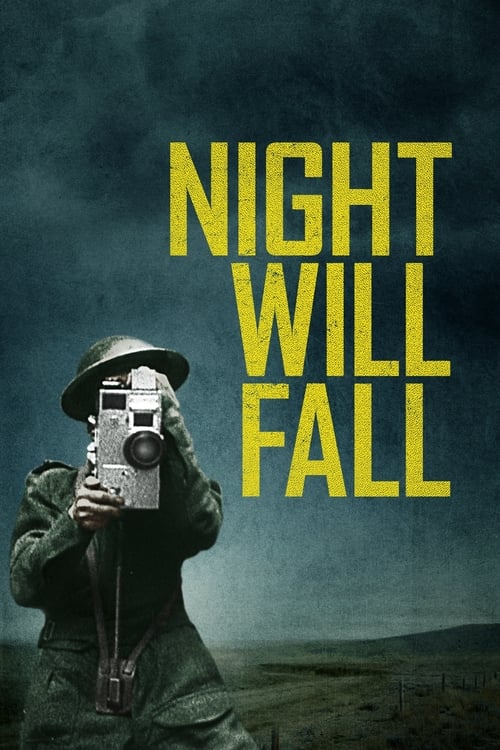
When Allied forces liberated the Nazi concentration camps in 1944-45, their terrible discoveries were recorded by army and newsreel cameramen, revealing for the first time the full horror of what had happened. Making use of British, Soviet and American footage, the Ministry of Information’s Sidney Bernstein (later founder of Granada Television) aimed to create a documentary that would provide lasting, undeniable evidence of the Nazis’ unspeakable crimes. He commissioned a wealth of British talent, including editor Stewart McAllister, writer and future cabinet minister Richard Crossman – and, as treatment advisor, his friend Alfred Hitchcock. Yet, despite initial support from the British and US Governments, the film was shelved, and only now, 70 years on, has it been restored and completed by Imperial War Museums under its original title "German Concentration Camps Factual Survey".