
User Score
2 votes
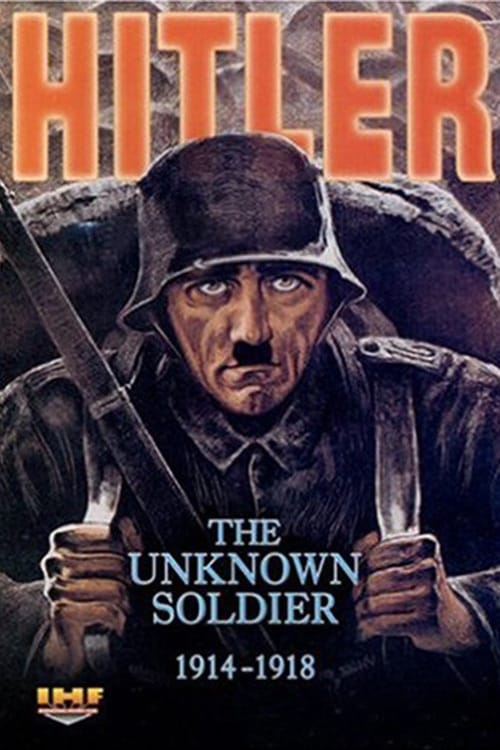
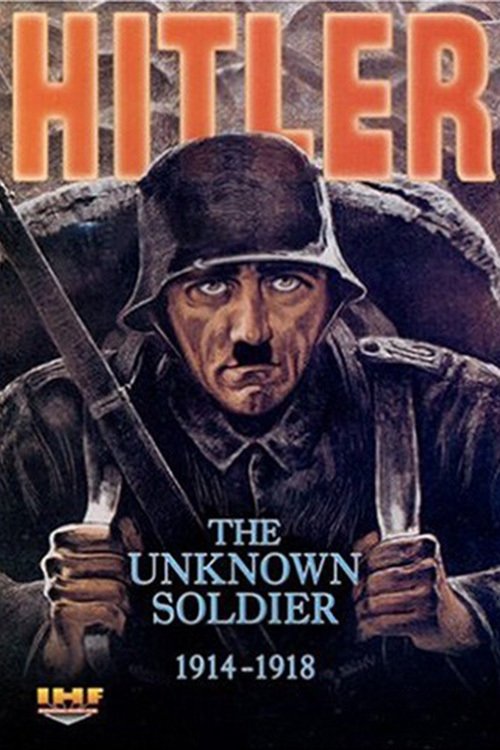
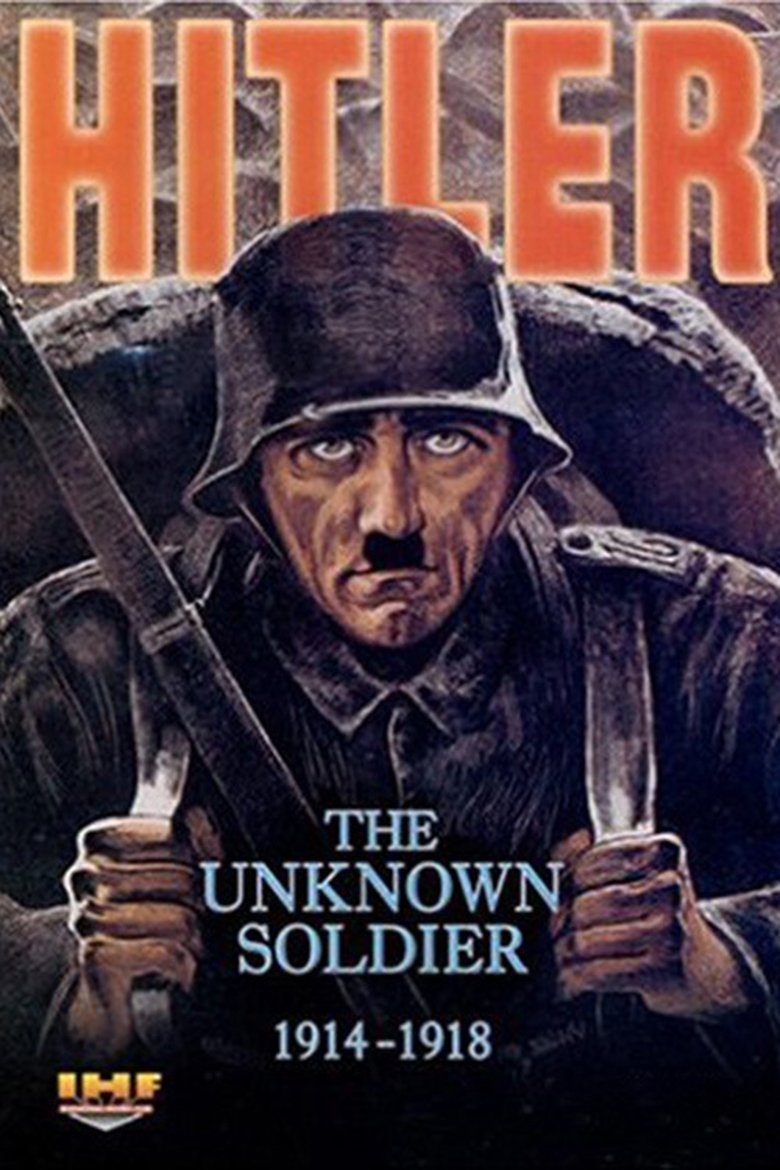
Adolf Hitler the fighting man is the subject of this engrossing feature, chronicling the future dictator’s combat experience as a foot soldier in World War I. Excerpts from Hitler’s letters from the front, recollections of regimental comrades, and evaluations by his officers offer a revealing portrait of a brooding, fearless loner who preferred battlefields to brothels, frontline service to home leave, and kept the men he frequently risked his life to protect at arm’s length. In a world of death, hardship, and discipline, Hitler sought comfort in the companionship of his English terrier, and in sketches and watercolors he rendered during lulls. It speculates on the influence wartime service exercised on his personal and political development, filling a critical gap for any sincere appraisal of Hitler’s psyche, motives, and subsequent actions.
Director
Writer
Status
Released
Original Language
EN
Self (archive footage)
When Allied forces liberated the Nazi concentration camps in 1944-45, their terrible discoveries were recorded by army and newsreel cameramen, revealing for the first time the full horror of what had happened. Making use of British, Soviet and American footage, the Ministry of Information’s Sidney Bernstein (later founder of Granada Television) aimed to create a documentary that would provide lasting, undeniable evidence of the Nazis’ unspeakable crimes. He commissioned a wealth of British talent, including editor Stewart McAllister, writer and future cabinet minister Richard Crossman – and, as treatment advisor, his friend Alfred Hitchcock. Yet, despite initial support from the British and US Governments, the film was shelved, and only now, 70 years on, has it been restored and completed by Imperial War Museums under its original title "German Concentration Camps Factual Survey".