
User Score
8 votes
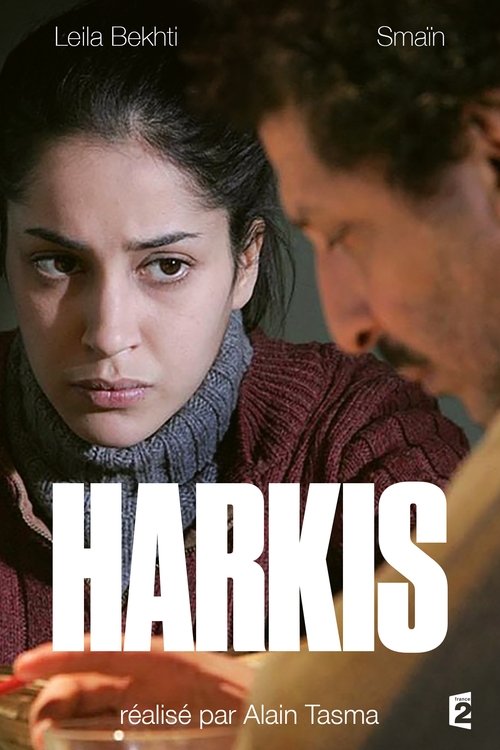
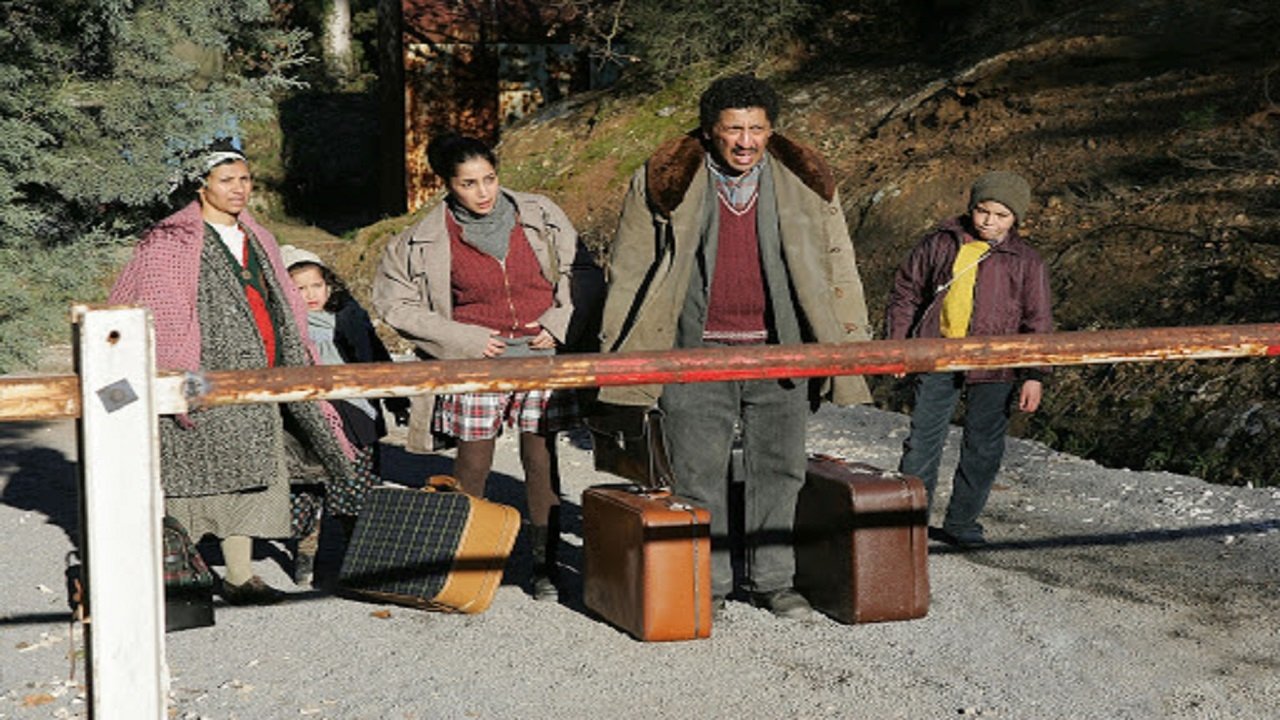
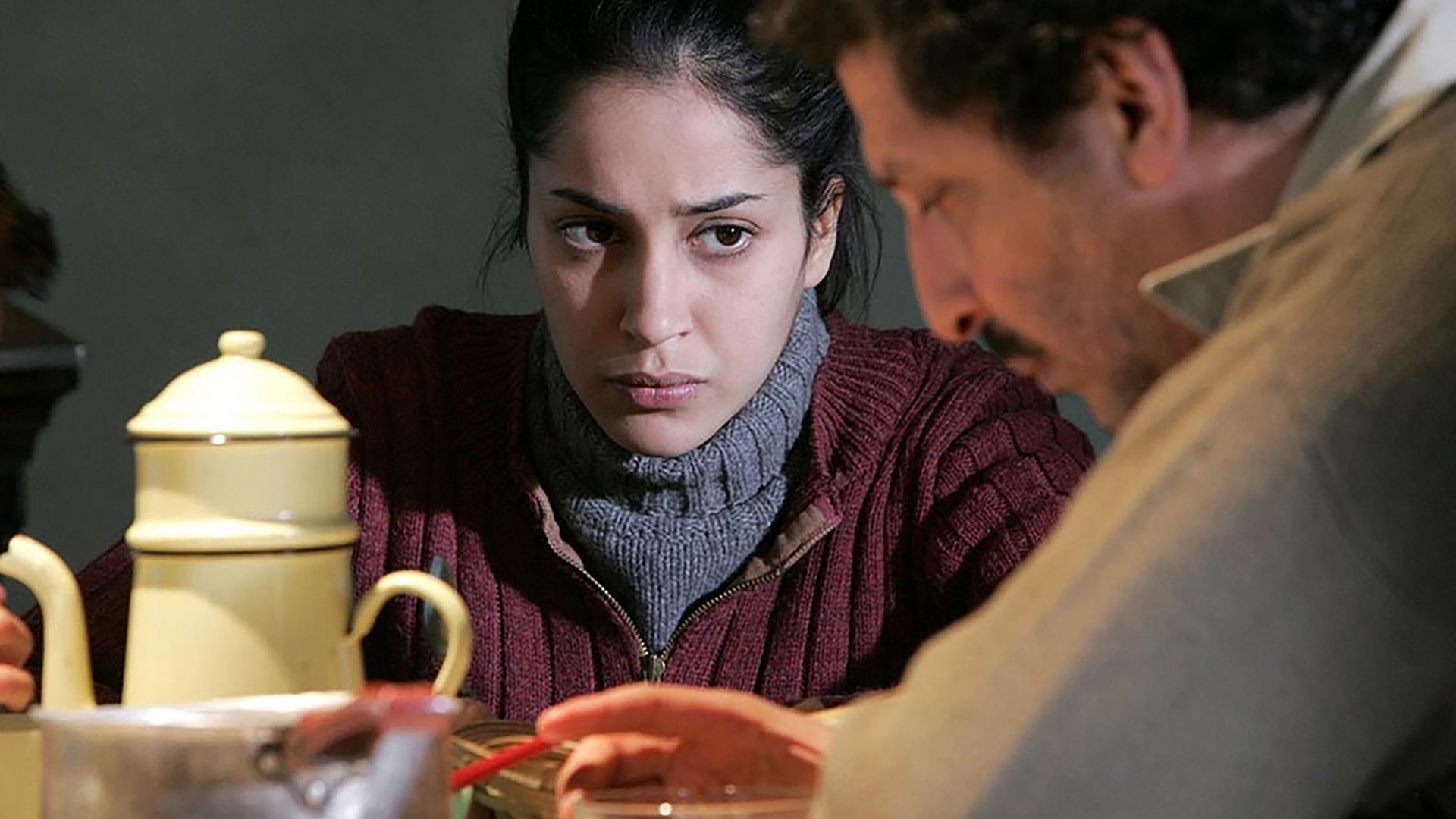
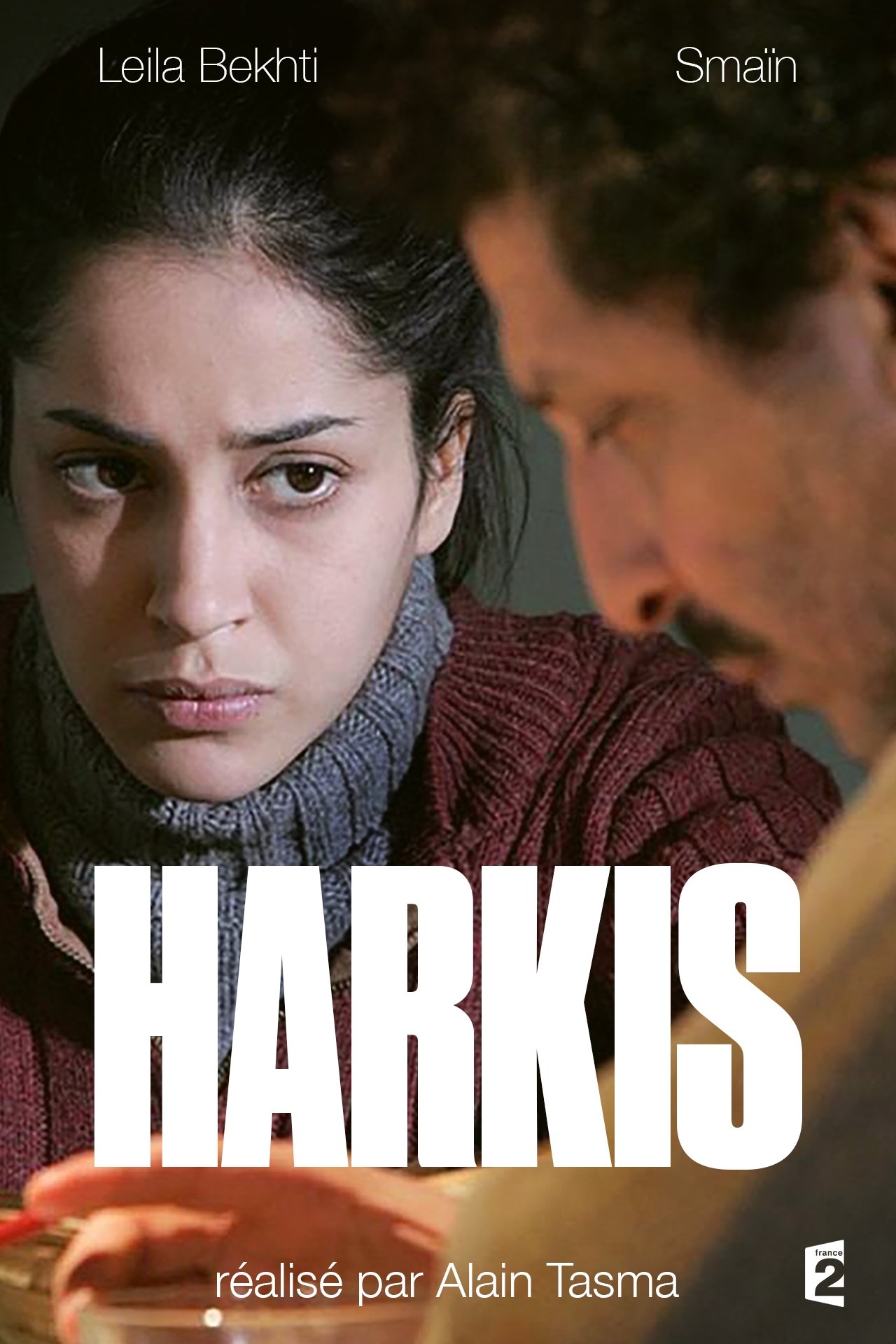
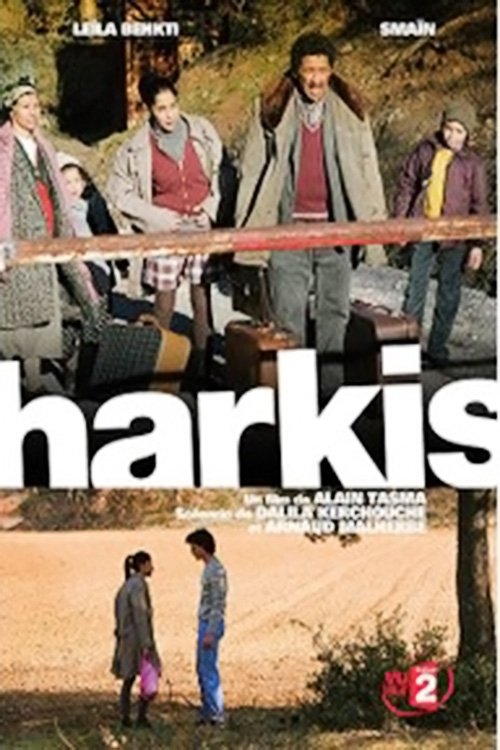
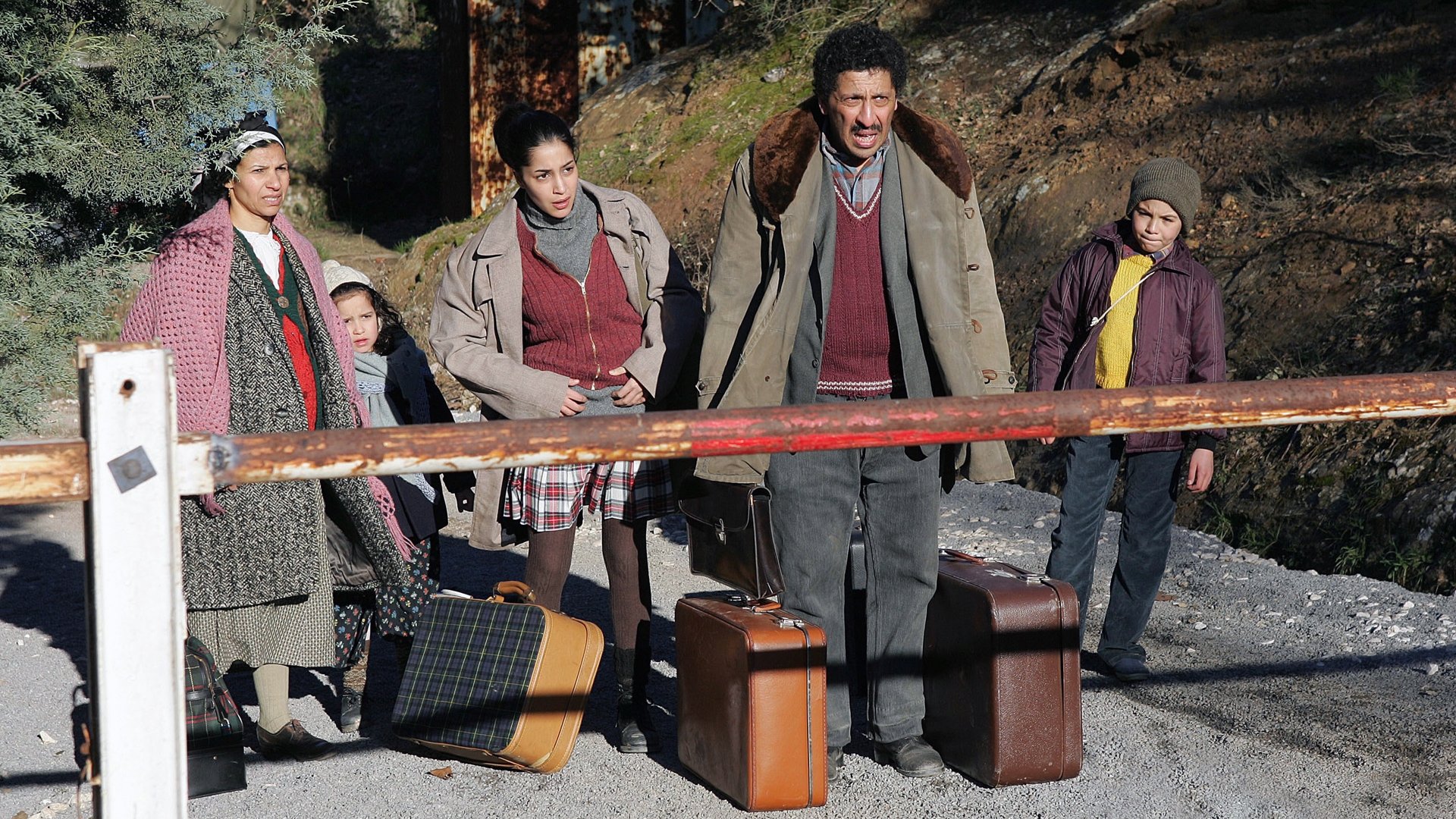
1972, in the south of France, deep in the forest, a family with meager luggage discovers the new camp where they will live. Despite the camp leader's overt paternalism, the Harkis lead a difficult life without real freedom. A life of poverty and guardianship that Leila, the Benamars' eldest daughter, rejects. She is at the age of rebellion, and also of her first love. For her, her father, Saïd, scarred by war and exile, accustomed to giving in, owes nothing to the French who enlisted him in the French army, then failed to protect them in Algeria. Thanks to her, with the help of a peasant couple, he will raise his head and the Benamars will leave the camp for a nearby farm.
Status
Released
Original Language
FR
Jérôme
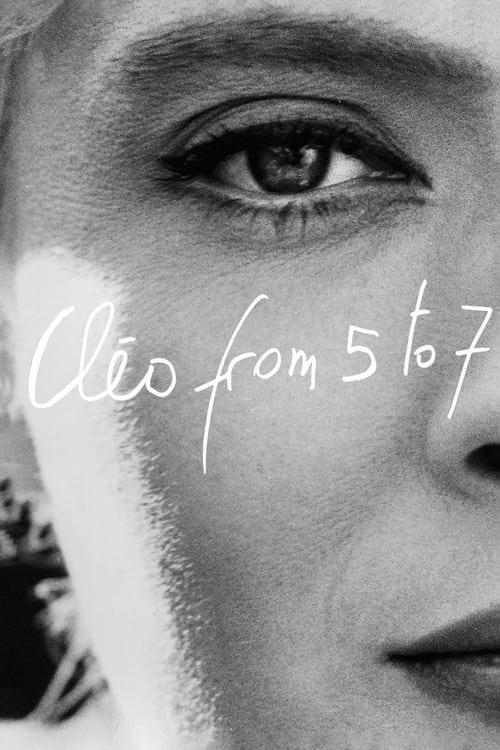
Agnès Varda eloquently captures Paris in the sixties with this real-time portrait of a singer set adrift in the city as she awaits test results of a biopsy. A chronicle of the minutes of one woman’s life, Cléo from 5 to 7 is a spirited mix of vivid vérité and melodrama, featuring a score by Michel Legrand and cameos by Jean-Luc Godard and Anna Karina.