
User Score
0 votes
In the riotous, vibrant cities of 18th Century London and Dublin, the drink-sodden and cantankerous composer, George Frideric Handel, is a forgotten man to all but his faithful, whip-smart valet Peter. Worse still, Handel has lost his inspiration to compose. But when he overhears the singing of famous actress Susannah Cibber, Handel is moved to once again write some of the greatest music ever heard. King George II tasks him to create an oratorio to celebrate the new Irish Viceroy in chaotic Dublin.
Status
Planned
Original Language
EN
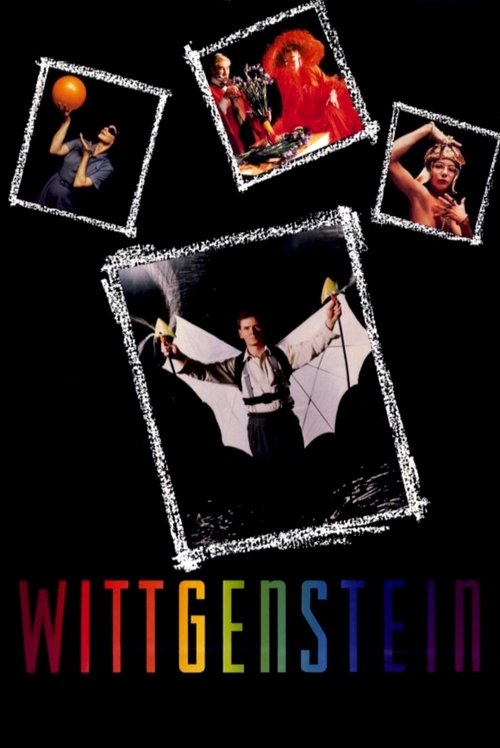
A dramatization, in modern theatrical style, of the life and thought of the Viennese-born, Cambridge-educated philosopher Ludwig Wittgenstein, whose principal interest was the nature and limits of language. A series of sketches depict the unfolding of his life from boyhood, through the era of the first World War, to his eventual Cambridge professorship and association with Bertrand Russell and John Maynard Keynes. The emphasis in these sketches is on the exposition of the ideas of Wittgenstein, a homosexual, and an intuitive, moody, proud, and perfectionistic thinker generally regarded as a genius.