
User Score
0 votes
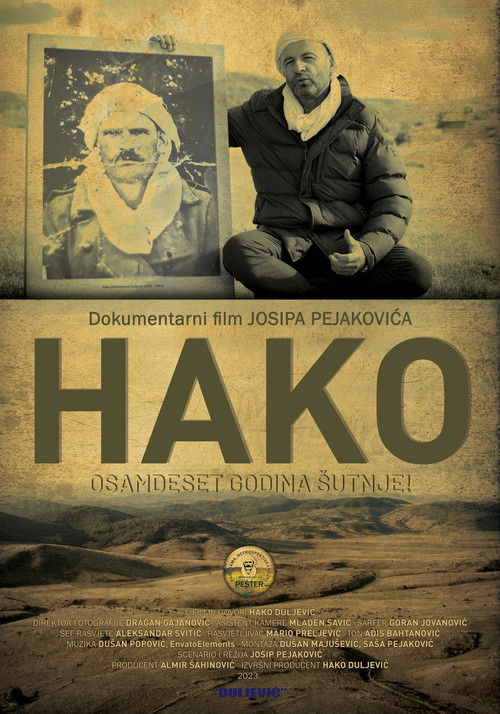
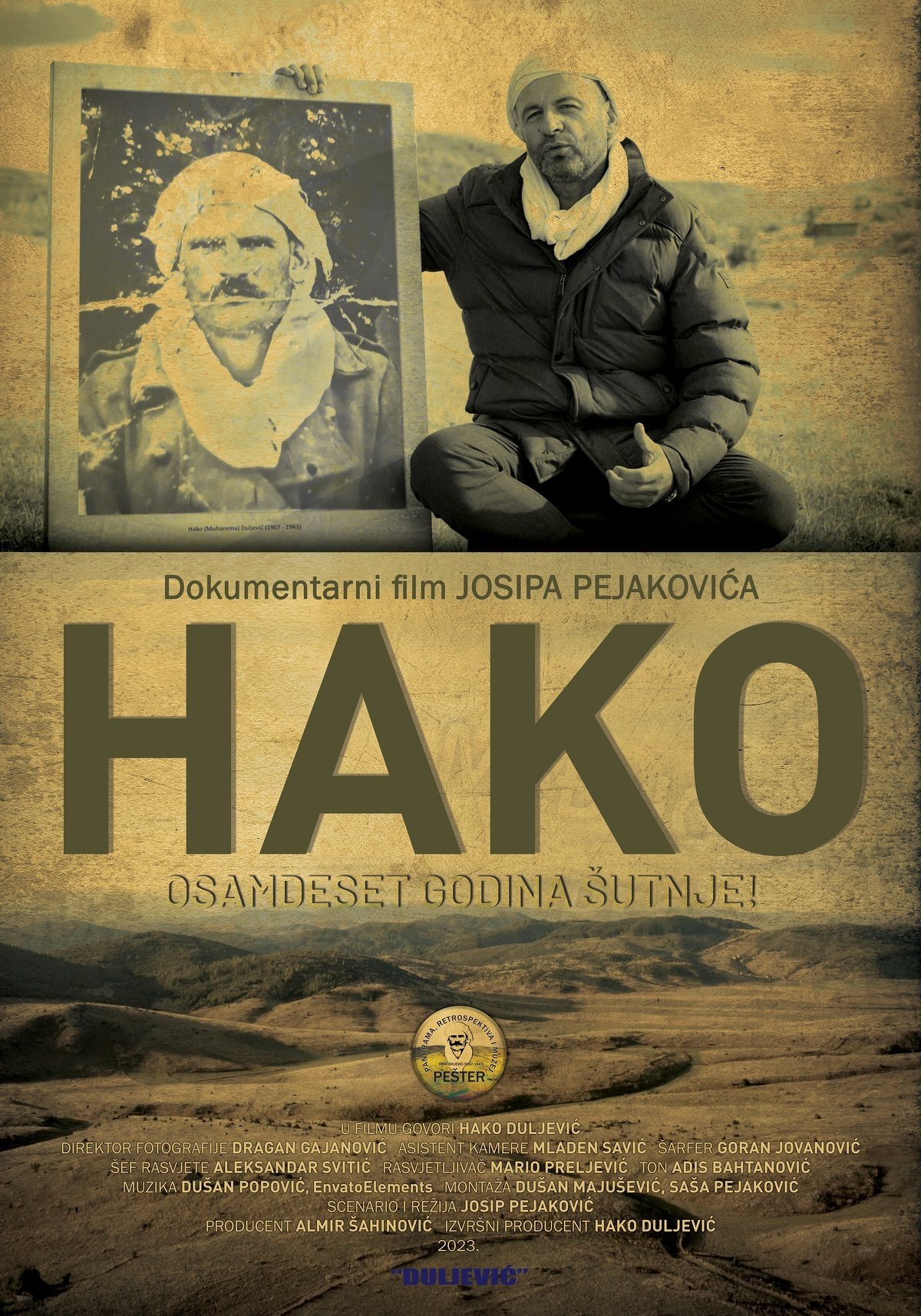
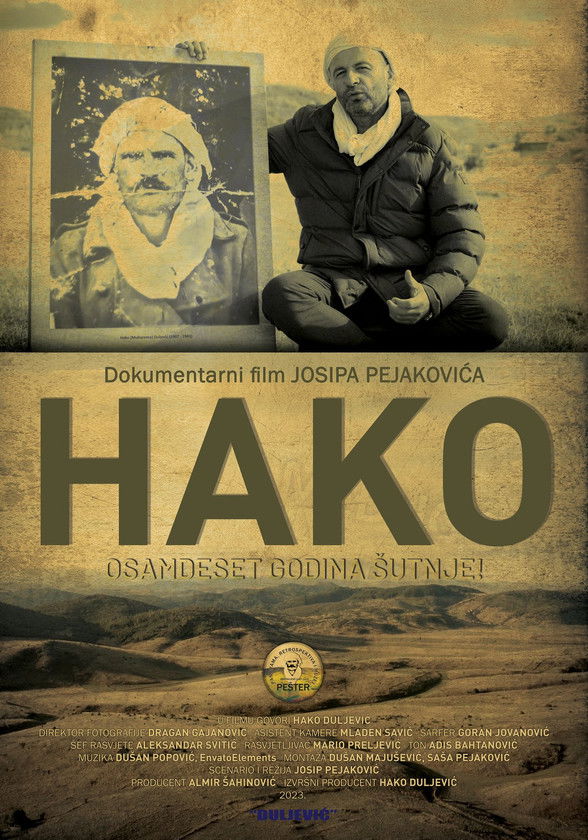
On the territory of the Kingdom of Yugoslavia in the whirlwind of the Second World War, in 1943, in Pešter (Serbia), the majority Muslim population lived with the minority Orthodox. A small part of the Muslim population joined the Gestapo and supported the Germans. They decided to attack the Orthodox village of Buđevo together and burn it to the ground. Although most Muslims were against it, it happened anyway. The strongest opponent to this was Hako Duljević, an honorable man from the Pešter village of Međugor. He saved the girl Ratomirka Minić from certain death, taking her to safety in the village of Doliće. Ultimately, she reunited with her parents and lived a ripe old age. The Germans didn't forgive Hako and shot him in the back. That truth did not come to light for eighty years, and his family still suffers, especially his grandson named after him.
Director
Status
Released
Original Language
SR

When Allied forces liberated the Nazi concentration camps in 1944-45, their terrible discoveries were recorded by army and newsreel cameramen, revealing for the first time the full horror of what had happened. Making use of British, Soviet and American footage, the Ministry of Information’s Sidney Bernstein (later founder of Granada Television) aimed to create a documentary that would provide lasting, undeniable evidence of the Nazis’ unspeakable crimes. He commissioned a wealth of British talent, including editor Stewart McAllister, writer and future cabinet minister Richard Crossman – and, as treatment advisor, his friend Alfred Hitchcock. Yet, despite initial support from the British and US Governments, the film was shelved, and only now, 70 years on, has it been restored and completed by Imperial War Museums under its original title "German Concentration Camps Factual Survey".

Performance artist Marina Abramovic prepares for a major retrospective of her work at the Museum of Modern Art in New York.