
User Score
0 votes
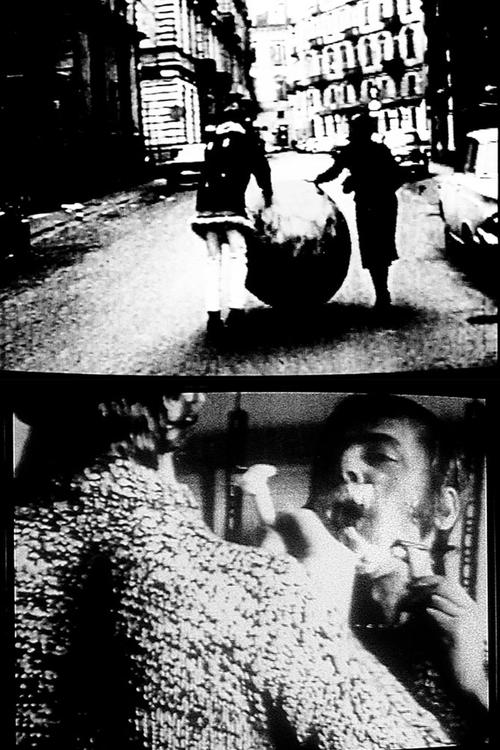
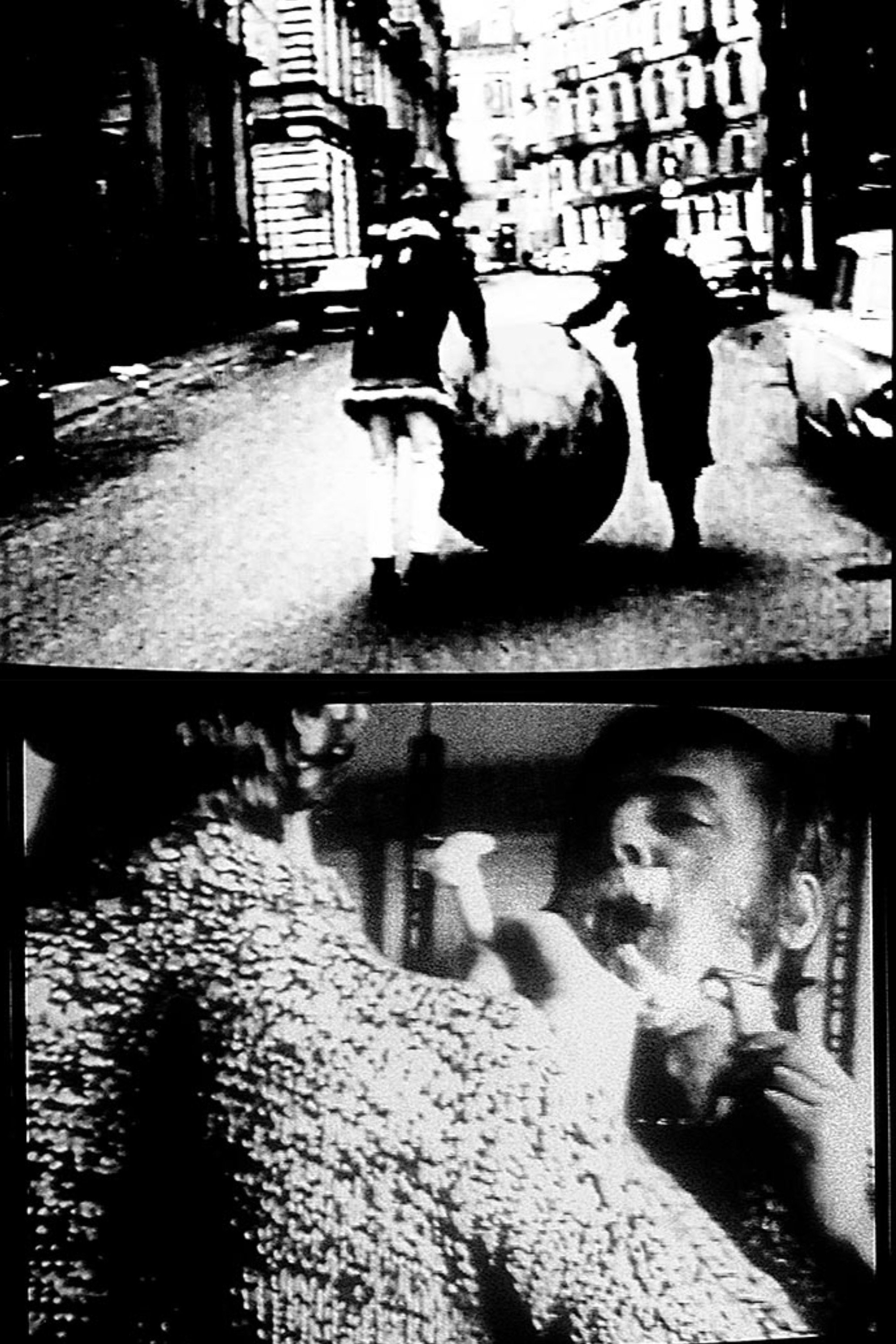
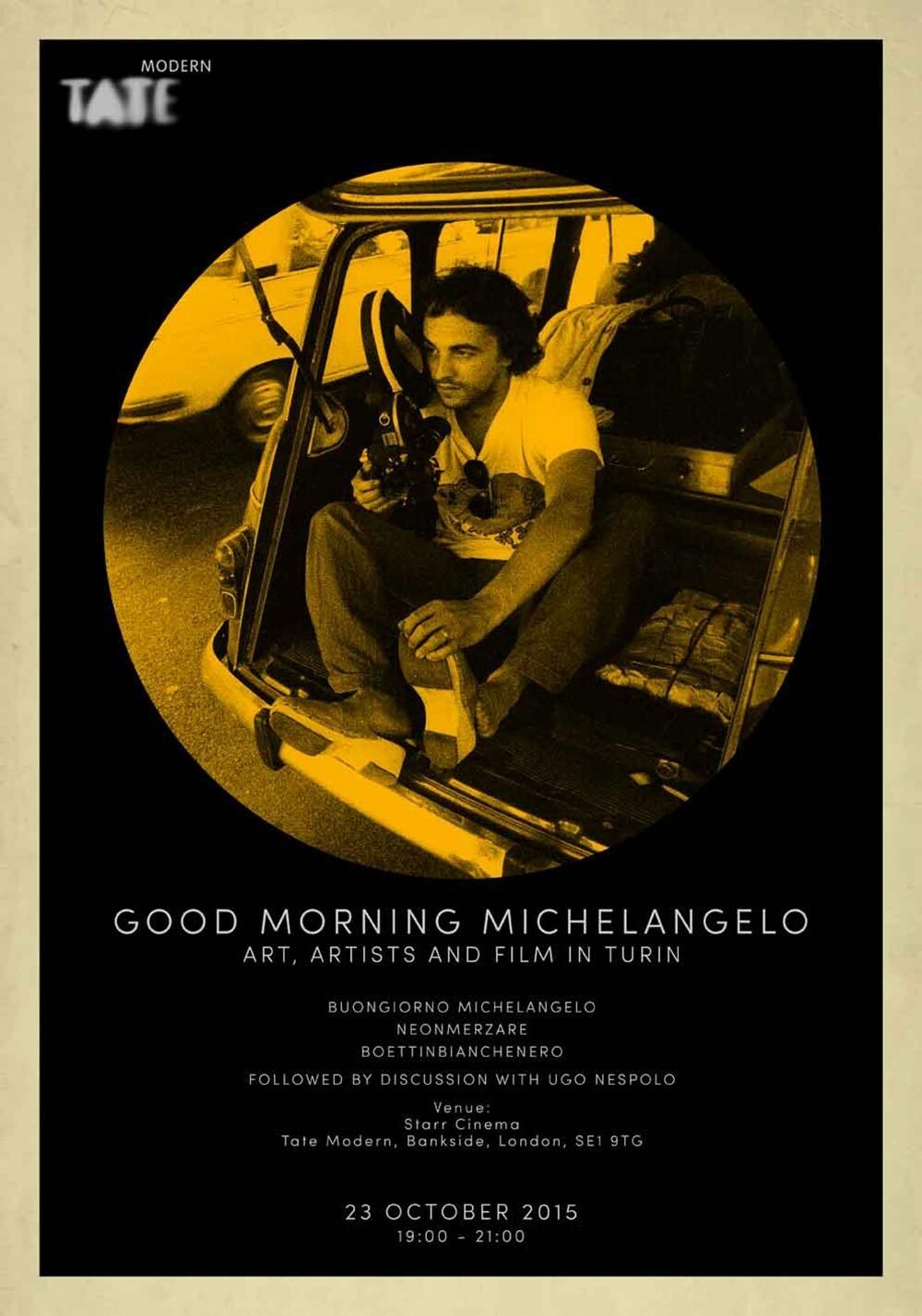
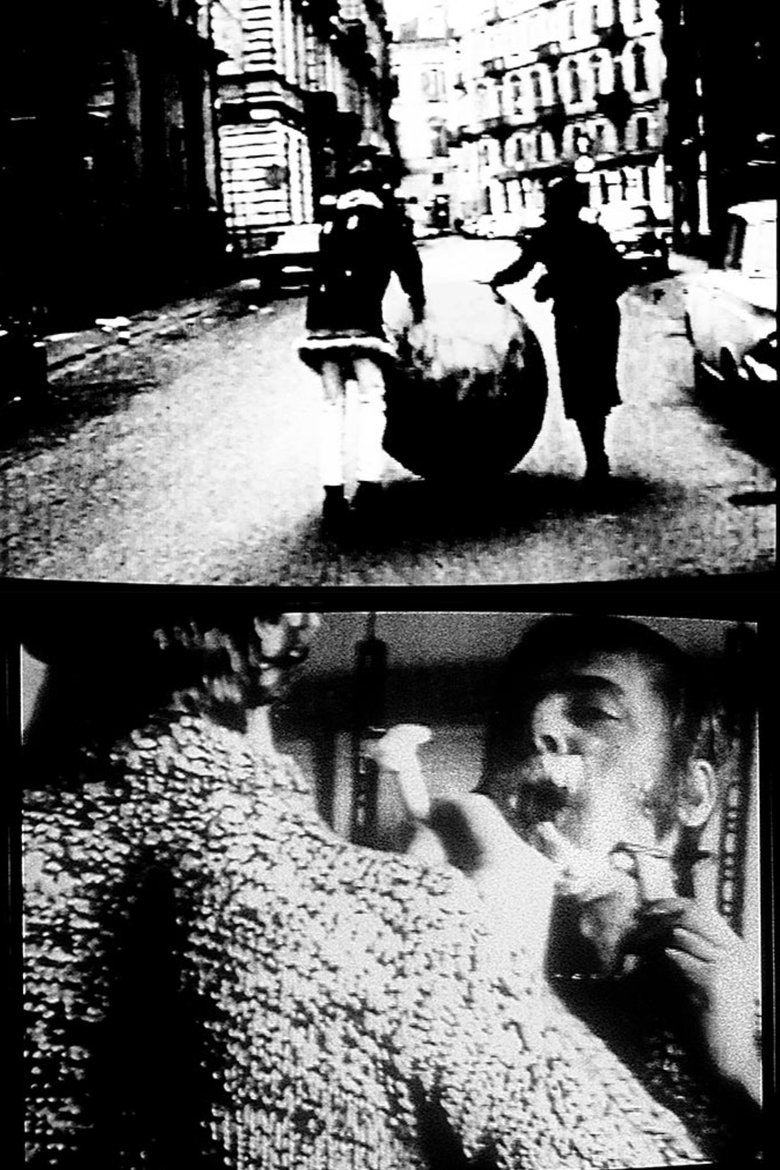
The film challenges the aura of the artwork, pushing it towards performance in urban space. During the exhibition Con-temp-l’azione (1967–68), at the three galleries Stein, Sperone and Il punto, two works by Michelangelo Pistoletto are taken out into the street. The film marks the beginning of a more militant and performative phase in Pistoletto’s career, opening up possible references to Situationism, Fluxus and nouveau réalisme. The film starts with Pistoletto shaving in front of one of his ‘mirrors’: the codes of everyday life and advertising burst into the scene. The large ball of newspapers roams Turin in a convertible automobile. The music of The Beatles accompanies the exploration of different filming and editing techniques. Intense, amused and brilliant, Buongiorno Michelangelo suggests a performative, cooperative and perhaps also playful aspect of the attitude of this short and intense period. —Tate Modern
Director
Status
Released
Original Language
IT
When Marie St. Clair believes she has been jilted by her artist fiance Jean, she decides to leave for Paris on her own. After spending a year in the city as a mistress of the wealthy Pierre Revel, she is reunited with Jean by chance. This leaves her with the choice between a glamorous life in Paris, and the true love she left behind.