User Score
1 votes
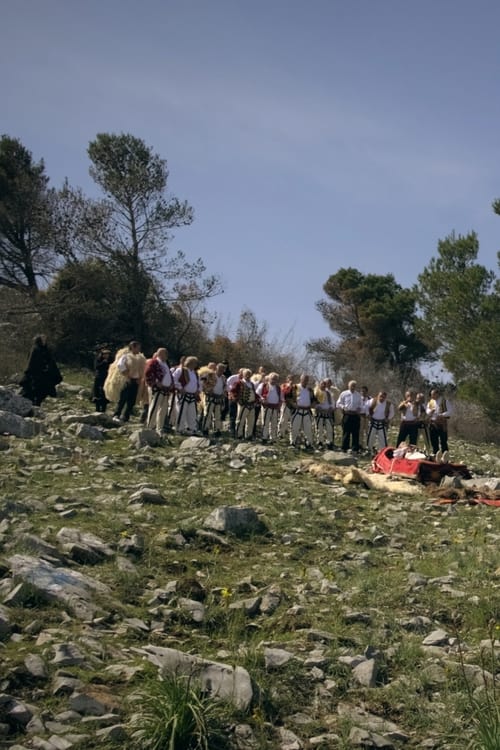
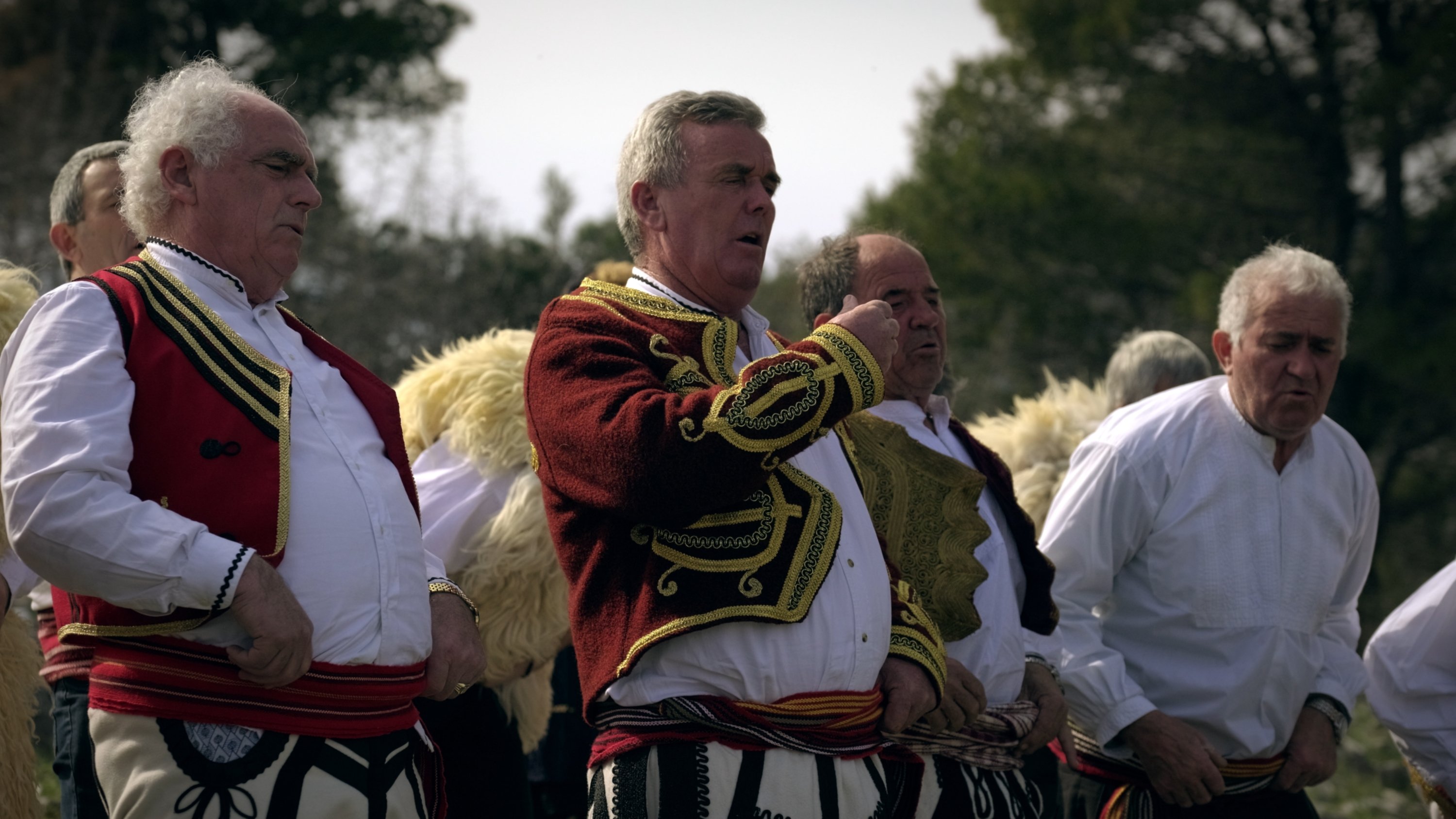
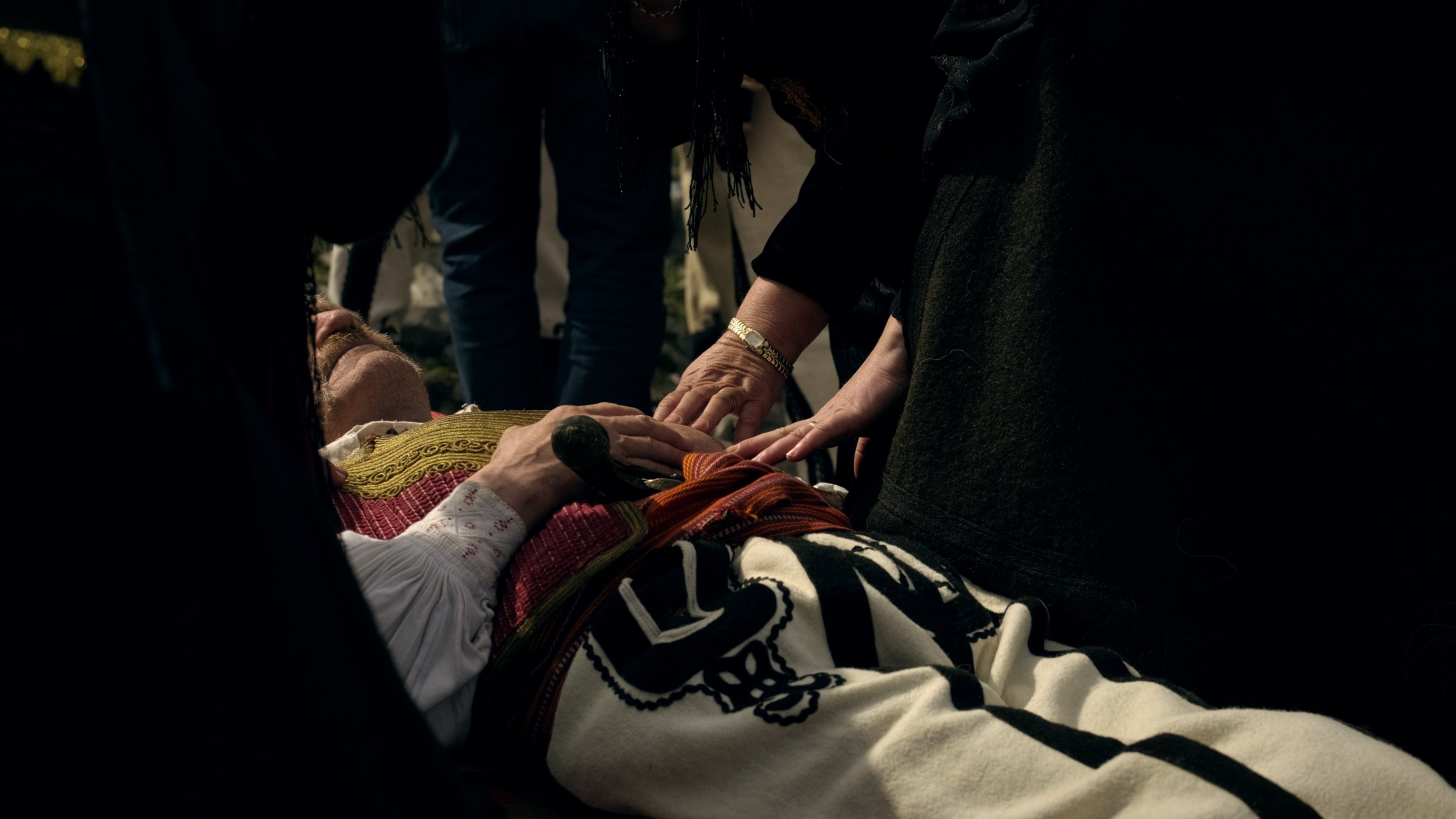
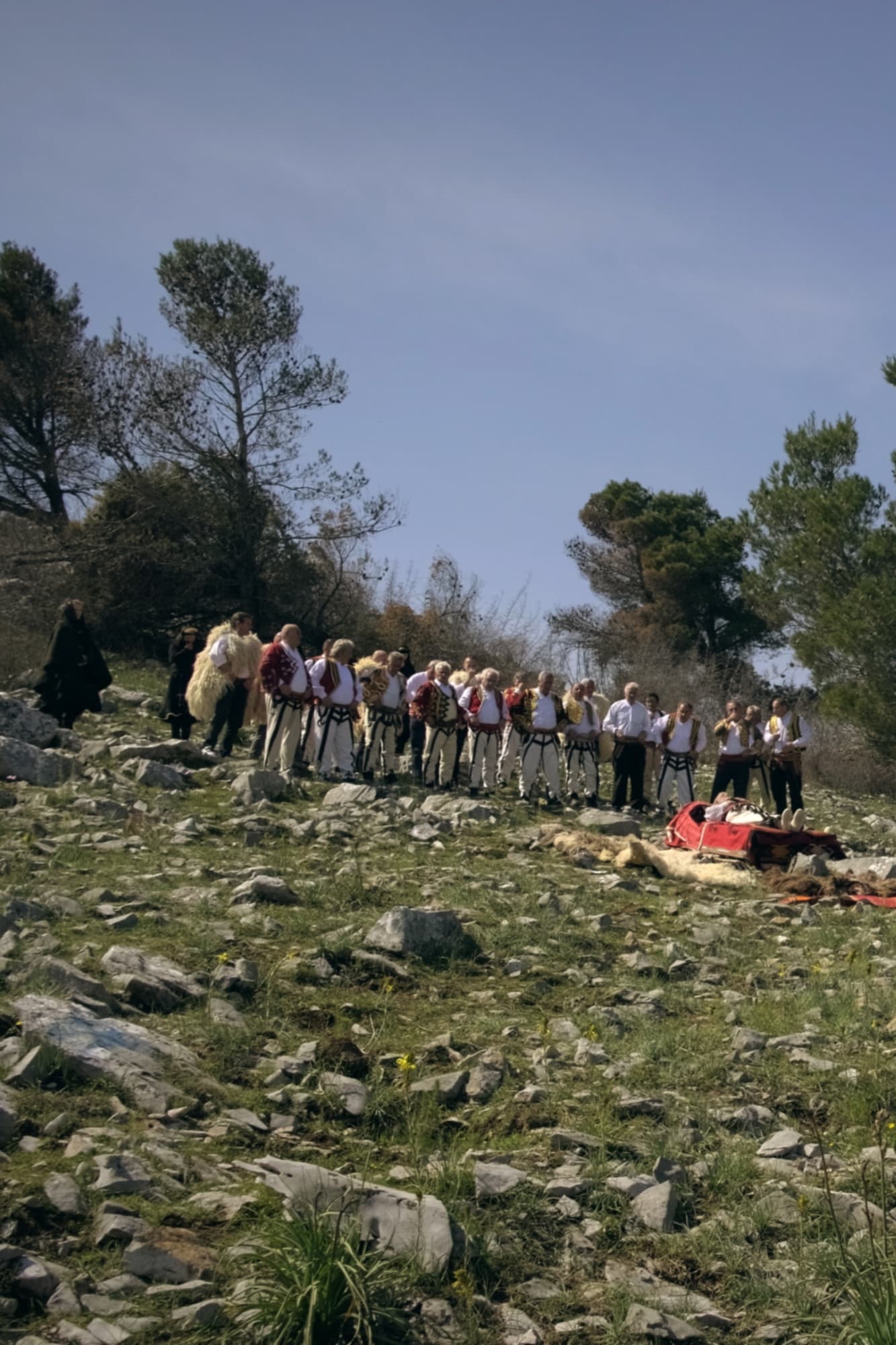
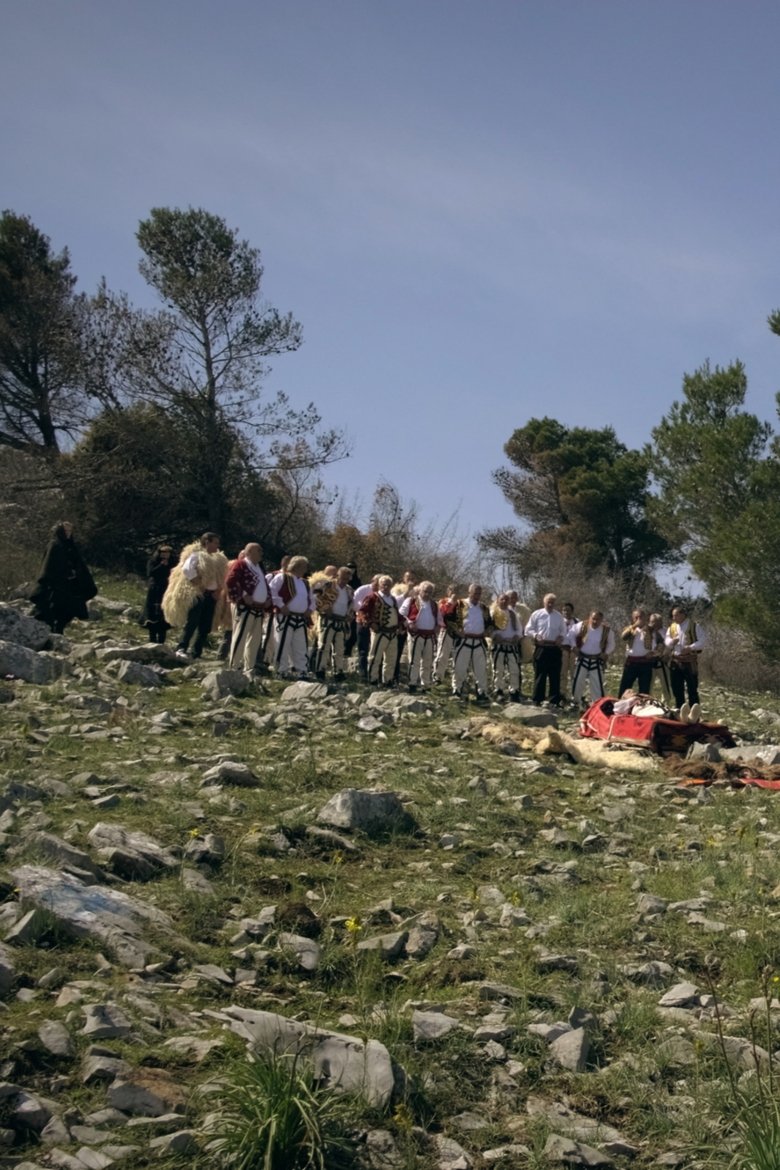
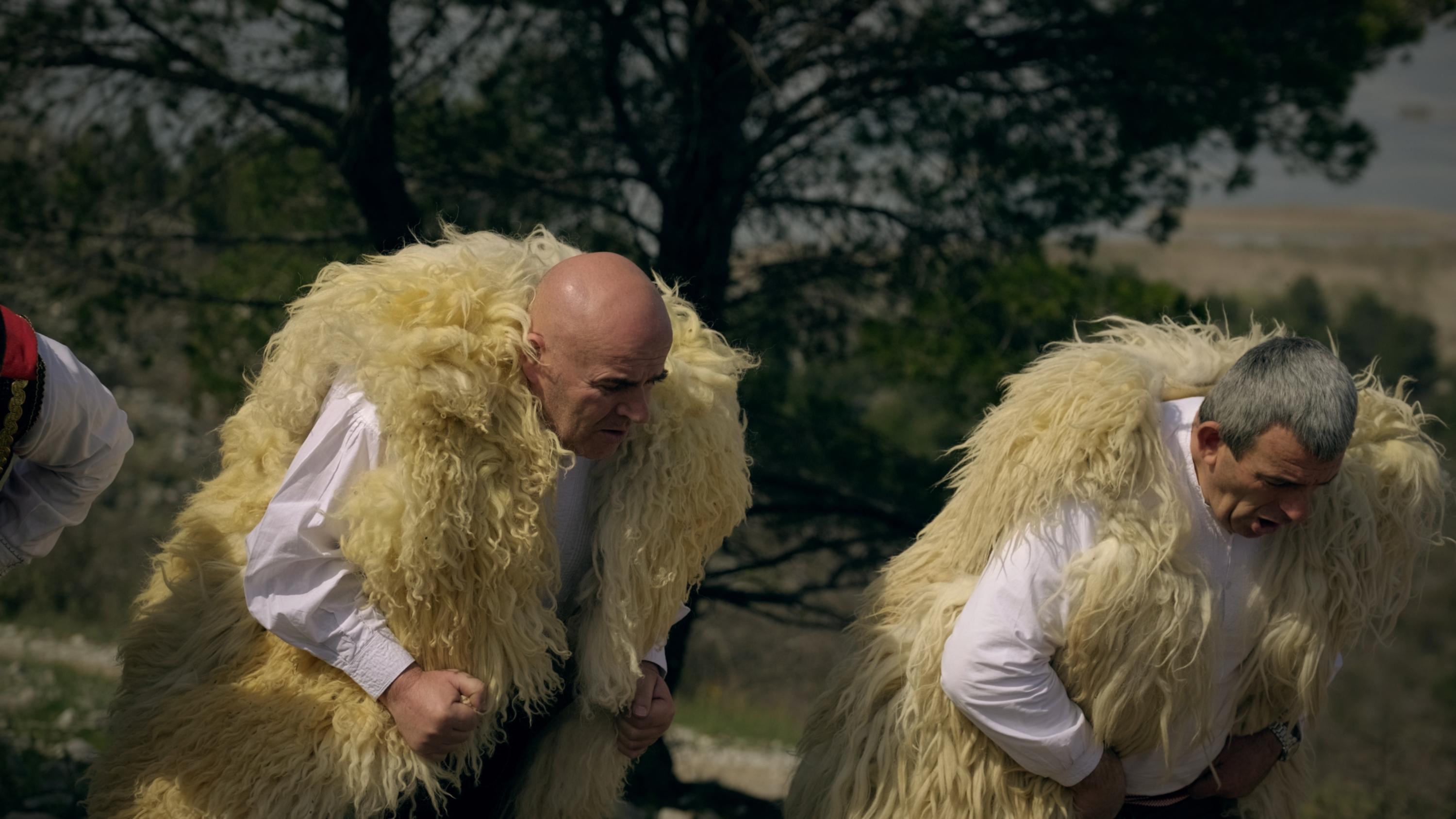
“Gjama” is a rarely practiced mourning ritual that was performed by Albanian men throughout the centuries. By shouting specific phrases and acting out a strict choreography, it is a way of paying respect to the deceased but also overcoming grief and pain over the loss of a loved one. Through the documentation of the re-enactment of the ritual, Zgjim Elshani seeks to recover fragments of the practice in the communities where this form of collective grieving is still a way of overcoming loss. By doing so, the project intends to rethink collective grieving and what it means to publicly display emotions in a male-headed society.
Director
Status
Released
Original Language
SQ
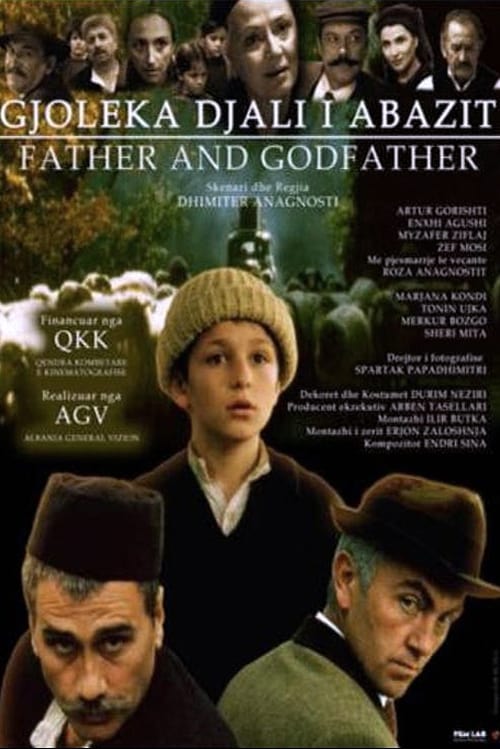
The events take place in a small Albanian village, around the '30ies. This isolated land, dominated by rituals and patriarchal relationships is the spirit that welcomes the newborn child of Abas. Servet, a co-villager, emigrant in the United States of America comes back in his homeland bringing a new vision and a new mentality, which serves as an inspiration for the 10 years old boy, Gjoleka, the son of Abas. Gjoleka founds himself in between of the ideas of his wild father, Abas and his illuminist godfather, Servet. Gjoleka symbolizes the young generation in the difficult realities that offer small and underdeveloped countries, where the outside world constitutes an irresistible attraction. The movie shows with a deep realism the human relationships, such as love, jalousie, hate, the impossibility to be integrated with another world, making this way a cruel autopsy of the weird society to which, "sometime" we belong.
Themself
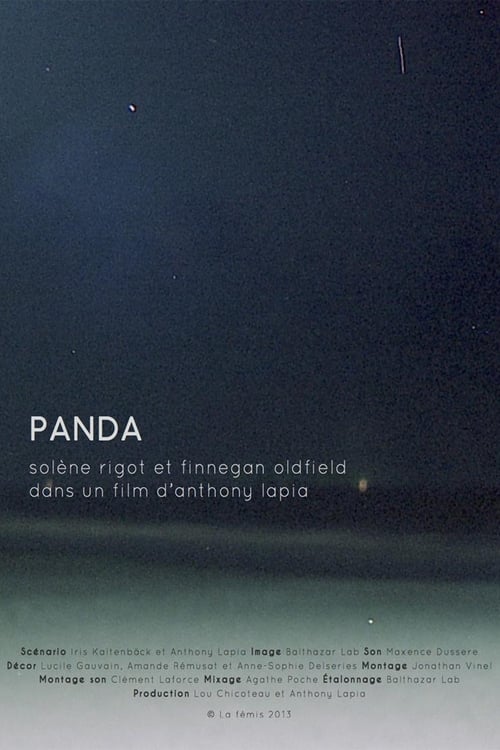
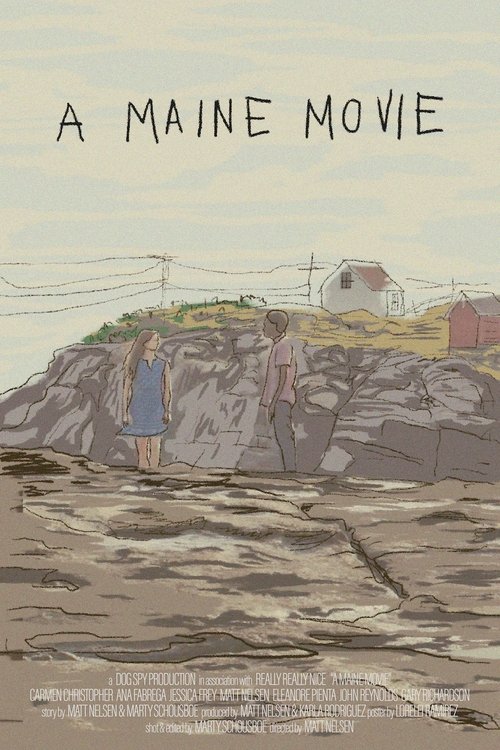
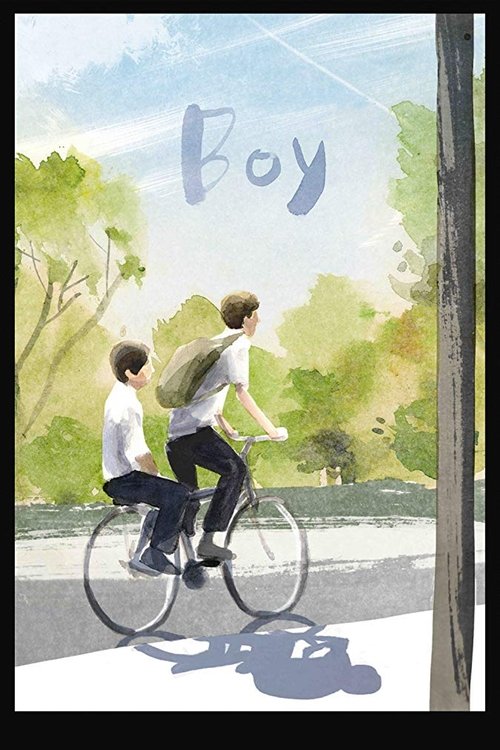
Two teenagers are playing by night in a dirty parking lot. After they are driving on an empty road, they start to tease each other on the way to the sea, but they seem to be too young to drive and the road is a bit strange.